
Ever stumbled across antlers on the forest floor and wondered why deer just drop these impressive headpieces? Deer lose their antlers each year because hormonal shifts after mating season weaken the bone at the base, causing the antlers to fall off. This helps them conserve energy and grow a new, tougher set later. That’s the simple version, but there’s a lot more going on under the surface.
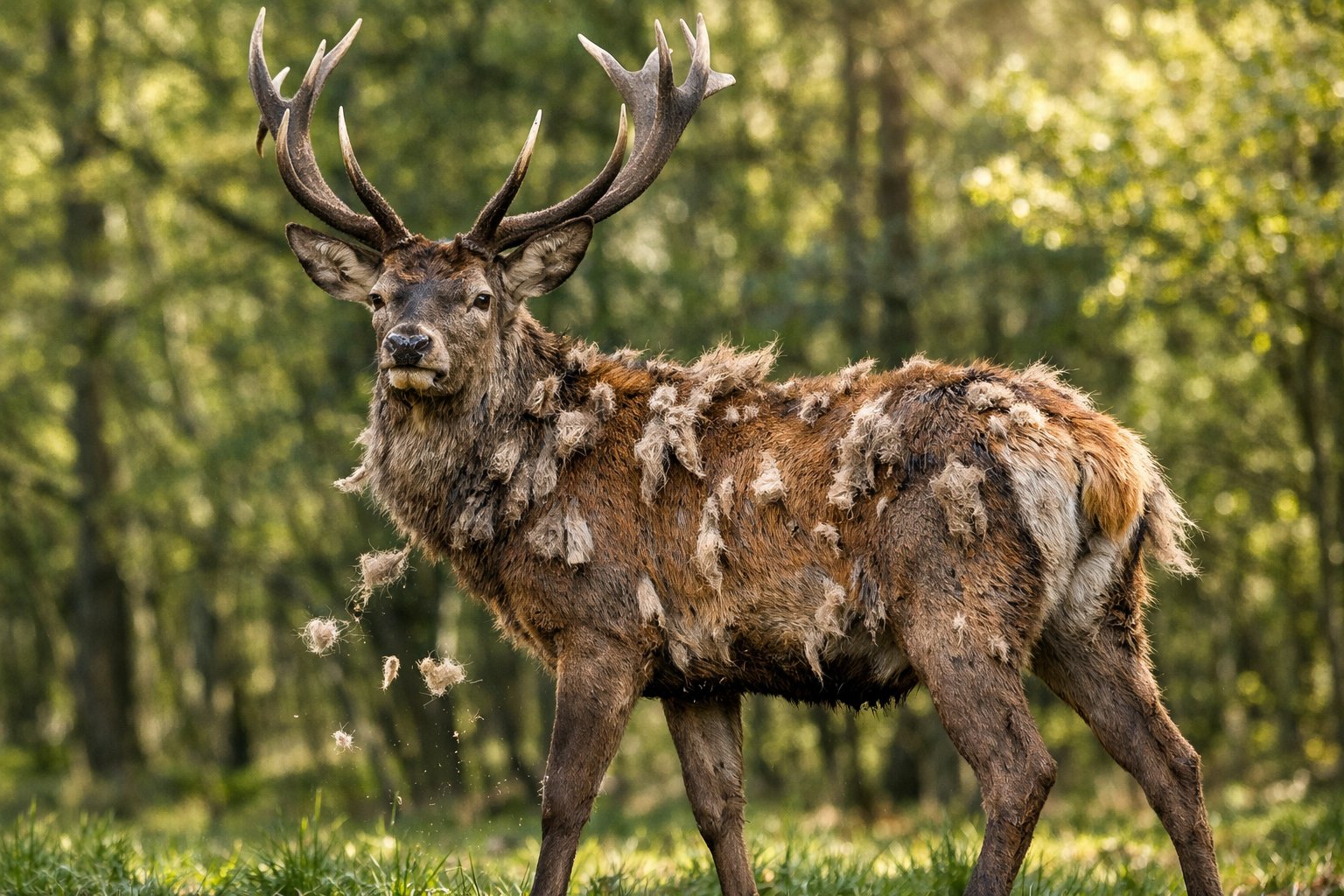
If you stick around, you’ll see how hormones, timing, and health all play a part in when and how antlers drop. I’ll break down what actually happens during shedding and what changes the schedule—so next time you’re out in the woods, maybe you’ll notice the signs.
Why Do Deer Shed Their Antlers?

Deer lose their antlers because their bodies change after the rut. Hormones trigger cells that break down bone, making the antler drop so the deer can rest and make it through winter.
Hormonal Changes and Testosterone Levels
Testosterone really calls the shots for antler growth and shedding. Bucks start growing antlers in spring and summer when testosterone climbs. But after the rut, testosterone drops fast.
That sudden fall tells the deer’s body it doesn’t need to lug around heavy antlers anymore. Older bucks that fought hard usually see their testosterone crash earlier, so they shed first.
In the north, deer usually lose antlers from January to April. Down south, where the rut lingers, some bucks hang onto antlers well into spring.
Once testosterone dips, blood flow to the antler base drops. Bone-resorbing cells get the signal to start breaking things down.
Role of Osteoclasts and the Abscission Layer
Osteoclasts are the bone-breakers at work here. When testosterone falls, these cells get busy around the pedicle—the spot where the antler meets the skull.
They create a thin abscission layer that weakens the connection. This layer forms right at the base.
Over several days, osteoclasts nibble away at the bone until the antler is barely hanging on. Sometimes, a bit of skull bone comes off too, which can make next year’s antler growth a bit weird.
You’ll spot single antlers or whole pairs on the ground once this process wraps up.
Survival and Energy Conservation
Shedding antlers is a survival move. Growing and carrying antlers burns calories and drains nutrients like calcium and phosphorus.
After mating season, bucks need to rebuild fat and heal up from fights. Losing antlers means less weight to carry and fewer calories burned.
That’s especially important when winter hits and food gets tough to find. Shedding also helps deer move through thick brush without getting caught.
Without big antlers, they’re less likely to get hurt, which gives them a better shot at making it to next year.
Factors Influencing Antler Shedding

A deer’s species, genetics, and health mostly decide when antlers drop. Hormones, food, and weather can all shift the timing.
Species and Genetics
Different deer species have their own schedules. White-tailed bucks usually lose antlers in late winter, but some tropical deer hold onto theirs longer.
Reindeer are unique—both males and females grow antlers, and their timing depends on breeding and seasonal roles. Genetics matter too.
Bucks with genes for big, fast-growing antlers tend to follow a strict yearly pattern. Young bucks grow smaller antlers and might shed later or at odd times compared to older deer.
How strongly antlers attach to the pedicle—and how quickly bone cells act—can run in the family.
Nutrition and Diet
What deer eat changes how and when they shed. Antlers need protein, calcium, and phosphorus to grow.
If food is scarce in late summer or fall, antlers might stay smaller and drop earlier the next winter. Bucks that eat well—whether it’s rich browse, crops, or mineral-heavy plants—grow heavier antlers.
If nutrition tanks after the rut, testosterone falls faster and antlers come off sooner. On the other hand, extra minerals or a varied diet can delay shedding by keeping deer healthier overall.
Environmental Factors and Climate
Climate and the local environment really shape when deer shed, depending on the region. Deer up north deal with harsh seasonal light and freezing temperatures, so they usually drop their antlers in winter.
In milder or tropical places, antler shedding drags on for months. Day length and temperature both play a role—they mess with hormone cycles that tell deer when it’s time to shed.
When winters turn brutal, with deep snow or not much to eat, deer tend to lose their antlers earlier. Habitat quality makes a difference too.
If deer live in rough conditions, like poor cover or lots of parasites, they might shed sooner than those in healthier spots. People can change things, too.
Land use, extra feeding, and even urban heat can mess with the local timing by changing food and microclimates.


