
You might know deer meat by a different name. Deer meat goes by “venison,” and honestly, that simple word opens up a whole world of hunting stories, kitchen experiments, and global food traditions you might not expect.
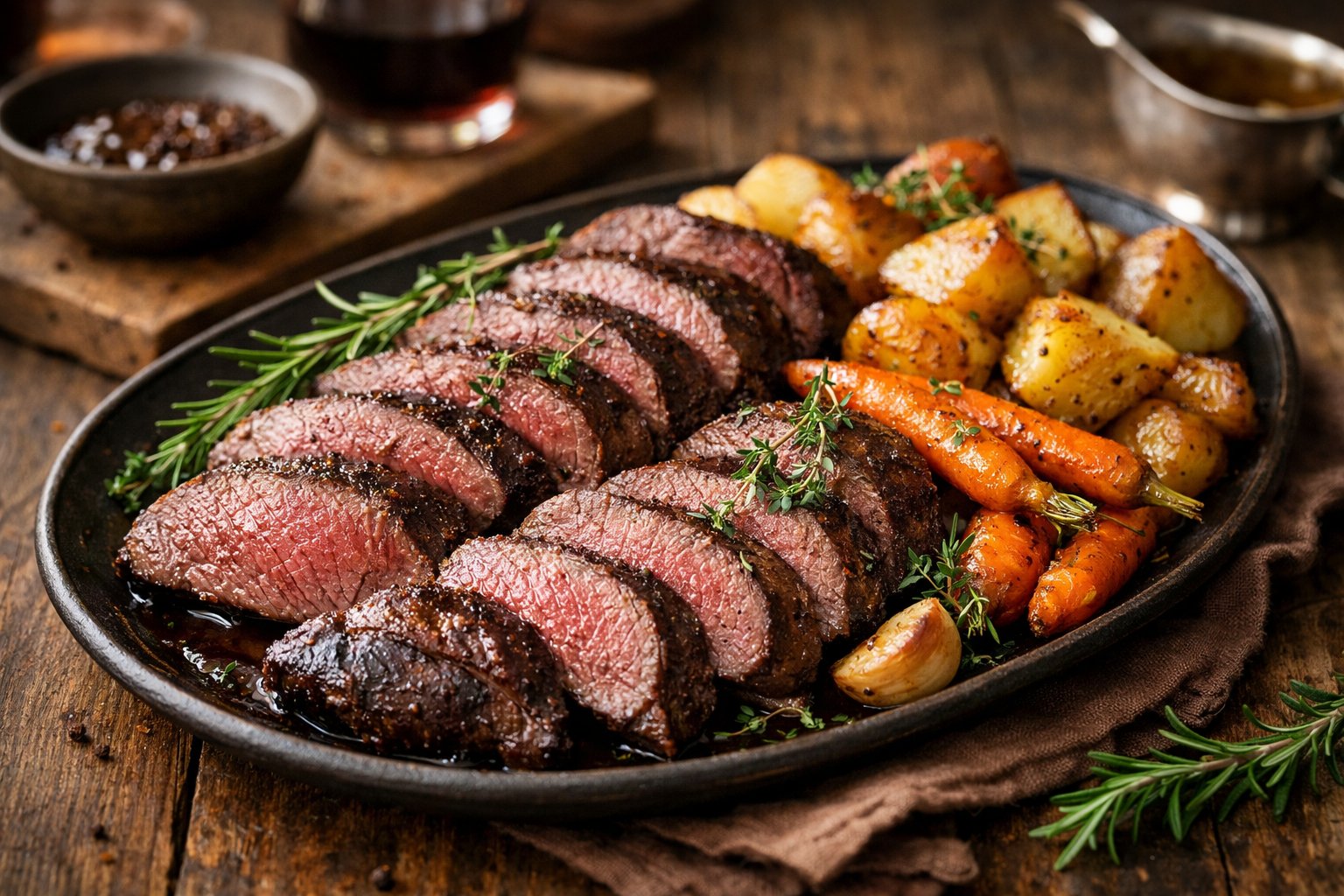
If you’re into food history or want to try cooking something lean and flavorful, you’re in the right spot. I’ll talk about where the name comes from, how venison stacks up to other meats, and what kinds of dishes people actually make with it around the world.
You’ll also get some practical tips for buying and prepping venison. Oh, and we’ll chat about why it matters if your meat is wild or farmed.
Why Is Deer Meat Called Venison?

Let’s dig into where the word comes from, how it shifted over time, and how it fits in with other game meats. The answers mix language, hunting history, and food culture in a surprisingly interesting way.
Etymology and Language Origins
“Venison” comes from the Latin word venari, which means “to hunt.” After the Norman Conquest in 1066, Norman French brought the word into English.
Old French venaison eventually turned into Middle English venison.
Originally, people used “venison” for any hunted meat, not just deer. Over time, the word narrowed and now mostly means deer meat, or sometimes elk and moose.
That’s why you might spot “venison” on a menu even if it’s not strictly deer. If you’re curious, a quick search in any modern dictionary or etymology site will show the same path from Latin to French to English.
Historical and Cultural Significance
Venison had serious social weight in medieval Europe. Only the nobility and royalty could hunt deer, so venison basically became a status symbol.
You’d see it at fancy feasts or mentioned in old legal rules about who could own or sell deer meat.
The Norman Conquest really locked in those customs for England. Forest laws and royal preserves made venison a tightly controlled commodity.
Centuries later, that link between hunting and venison still shapes recipes and traditions. Sometimes, you’ll even find it in legal language about game.
Today, venison still carries a bit of that old-world history—especially in places where game meat is part of the food culture or on menus that nod to classic dishes.
Venison vs. Other Game Meats
When people say “venison” these days, they almost always mean deer meat. “Game meat” is a bigger umbrella—think rabbit, wild boar, pheasant, or even certain goats.
Venison sits in its own little corner of the game meat world, with its own unique texture and flavor.
Compared to wild boar or rabbit, venison is usually leaner and has a finer grain. If you’re reading old cookbooks or legal documents, you might see “venison” used for any hunted animal, so context really matters.
In some places, like parts of Africa, people use “venison” for antelope meat because that’s what they hunt locally.
When you’re shopping or following a recipe, double-check if they mean deer specifically or just any kind of game. In the U.S., regional rules can affect how venison gets to your table, so it’s worth knowing what you’re buying.
The World of Venison

Venison comes from all sorts of deer species. People raise it on farms or hunt it wild.
It’s lean, packed with protein, and you can use it in steaks, roasts, burgers, or stews—pretty much like beef.
Types and Sources of Venison
You can get venison from wild deer or farmed herds. Some common wild sources are white-tailed deer, mule deer, or axis deer.
Larger animals like elk, moose, red deer, and fallow deer also make the list. Sometimes, you’ll see labels like “cervena” for farmed red deer.
Wild venison tends to have a stronger flavor, and it can vary a lot depending on what the animal ate or how old it was. Farmed venison is more consistent in size and flavor.
Some places allow market hunting or culling programs to supply wild venison. When you buy, check if the meat comes from a farm, a USDA‑inspected processor, or a hunter.
Rules change depending on where you live.
Keep an eye out for chronic wasting disease (CWD) in wild herds. If you think a deer looked sick, don’t eat it.
Always follow local health guidelines before cooking wild venison.
Venison Flavor and Nutrition
Venison tastes lean and just a little bit gamey compared to beef. Younger animals or tender cuts like loin or tenderloin are milder.
Elk or moose can taste closer to beef, especially if you cook them right.
Nutritionally, venison packs a lot of protein and not much fat or calories. It’s got more iron than most beef, and sometimes a bit of conjugated linoleic acid (which some people say is good for you).
Ground venison cooks fast because it’s low in fat, so you might want to add a little extra fat or a binder if you’re making burgers or meatloaf.
If you’re swapping venison for beef in a recipe, just know it’ll be firmer and a bit leaner.
Venison Preparation and Cooking
Treat venison much like you’d handle any other red meat. Thaw it in the fridge, trim off the silver skin, and pick out any bits of blood or stray hair.
When you’re making roasts or stews, go for slow cooking or braising. These methods really help tenderize those leaner cuts.
If you’re cooking steaks, keep it quick—aim for medium-rare or maybe medium. Any longer and the meat dries out fast.
For burgers, toss in some fat—maybe bacon, beef fat, or even a little oil. It’s the secret to juicy patties and better texture.
Tougher cuts? I’d marinate them first to add both moisture and flavor. Acidic marinades with a splash of vinegar or some wine usually work wonders.
Letting venison age in the fridge for a few days can make it more tender, too.
Make sure you cook ground venison to at least 160°F (74°C). Whole cuts should hit at least 145°F (63°C).
And don’t forget to check local advice about CWD testing if you’re not sure—it’s better to be safe.


