
Let’s get right to it: most deer stay pregnant for about 200 days, or roughly 6.5 to 7 months. That timing means fawns show up in late spring, when food and cover are at their best. It’s a big deal for fawn survival and for keeping deer populations healthy.

If you’re wondering what changes that length—like species, health, or when the rut happens—stick around. I’ll walk you through how gestation works, what to look for in fawn development, and why these details matter if you care about managing local deer or just like spotting them during the year.
How Long Are Deer Pregnant and What Affects Pregnancy Duration?

Deer usually stay pregnant for about six to seven months, but that can shift depending on species, health, or even the season. Here’s what you should know about gestation lengths, what changes them, when deer mate, and how to spot a pregnant doe.
Typical Gestation Period by Deer Species
Most North American deer have gestation periods close to 200 days. Take white-tailed deer, for example—they carry fawns for about 193 to 205 days.
Mule deer pregnancies run about 200 days too, though there’s a little variation depending on where they live.
Bigger species need longer. Elk usually gestate for around 240 to 265 days. Moose carry their calves for about 230 to 250 days.
If you’re caring for a pet deer, remember that each species has its own timing.
Key numbers:
- White-tailed deer: ~193–205 days
- Mule deer: ~200 days
- Elk: ~240–265 days
- Moose: ~230–250 days
Key Factors That Influence Gestation Length
Genetics set the basic pregnancy length for each species. Nutrition plays a huge role after that—well-fed does tend to have heavier fawns and more predictable timing.
If a doe’s in poor shape, she might delay implantation or have slower fetal growth.
Age makes a difference too. Yearling does usually have just one fawn, and their pregnancies can be a little shorter or just not as predictable as older does.
Stress, disease, and weird weather—whether it’s too cold or too warm—can all change how long pregnancy lasts or how many fawns survive. If you’re managing deer or have a pet, keeping them well-fed and calm helps support normal gestation.
Seasonal Timing and the Mating Season
Deer time their reproduction to daylight. The rut—the main mating season—kicks off in late fall as days get shorter.
Most whitetail populations have peak breeding in November.
If you count about 200 days from when they mate, you can guess when fawns will be born. That usually means late spring or early summer, right when food and cover peak.
If a doe mates late or misses the first cycle, her fawn will be born later and might struggle more before winter hits.
Signs That a Deer Is Pregnant
It’s not always easy to spot a pregnant doe. In late gestation, you might notice a rounder belly and less movement in the early morning.
Pregnant does often bed down in thicker cover, especially when they’re getting close to giving birth.
You might also see them eating more during the last trimester and gaining weight, especially along their flanks.
Early on, though, there aren’t many obvious signs unless a vet checks. It’s best not to disturb does during this time—stress can mess with pregnancy. If you have a pet deer, regular vet visits and keeping track of their weight are your best bet for confirmation.
From Fawn Development to Deer Population Management
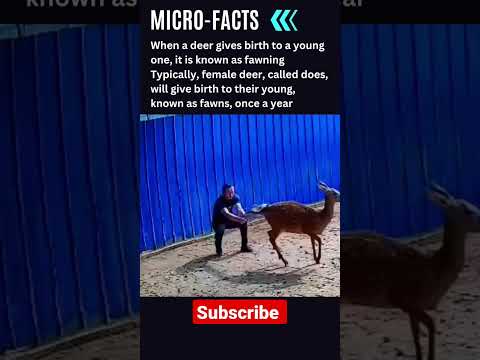
Let’s talk about what happens as fawns develop, what puts them at risk, how many fawns does usually have, and why all this matters for managing deer populations.
Fetal Growth and Fawn Birth
Fawn development takes about 200 days for white-tailed and mule deer. In the middle of pregnancy, major organs, bones, and that spotted coat start forming.
During the last 30 to 60 days, the fetus gains most of its weight. The doe’s energy needs really ramp up.
As birth gets closer, the doe will look for quiet spots and move less to avoid predators. Good nutrition in this last stretch means heavier, healthier fawns, and does in great shape often have twins.
If the mother’s not well-fed, fawns can be born smaller, weaker, or not make it at all.
Fawn Survival and Mortality Risks
Newborn fawns have a rough start. Predators like coyotes and bobcats often take them during the first few weeks.
Cold rain or late storms can cause hypothermia since fawns aren’t strong enough yet.
Humans play a role too. When we clear habitat, we take away cover and food. Fawns born late—because the doe missed the main rut—often arrive after the best food is gone and don’t survive as well.
You can help by protecting cover and not disturbing deer during fawning season.
Number of Fawns and Fawn Care
Most mature does have one or two fawns. Yearling does usually have just one.
When food is plentiful and does are healthy, twins are more common. Litter size affects how much attention each fawn gets and how well they grow.
Does hide their fawns for the first few weeks and only come back to nurse a few times a day. You probably won’t spot a doe with her fawn from afar—they’re cautious and only return when predators are less active.
Antler growth in bucks starts later and doesn’t really affect how does care for fawns. Still, a healthy habitat that supports antler growth usually means better nutrition for does and more fawns overall.
Impacts on Wildlife Management and Population Control
Wildlife managers rely on data like gestation periods, fawn survival rates, and litter sizes when they set hunting seasons or decide on harvest quotas.
If they notice a lot of fawns aren’t making it or adult deer are dying off, they’ll probably lower harvest limits to help the herd recover.
On the flip side, if fawn survival looks great and the population’s booming, managers might actually tighten things up with bigger harvests or even targeted culls—sometimes it’s the only way to keep things balanced.
Habitat improvement plays a huge role here, too. Planting more cover, protecting wetlands, or slowing down development all give fawns a better shot at survival, which can mean less need for drastic population control.
You’ll often see managers tracking pregnancy rates, fawn-to-doe ratios, and seasonal fawn counts. They really lean on this data to make decisions that actually fit what’s happening on the ground.
Curious about how long a deer is pregnant? Check out more on typical gestation lengths and timing here.


