
You’ve probably seen deer eating all the time and wondered if they’re just always hungry. Deer aren’t hungry every minute, but they do spend most of their day feeding and chewing. Their stomachs need to keep working to pull nutrients from all those plants. This is true whether you’re out in the wild or playing a game like 99 Nights in the Forest.
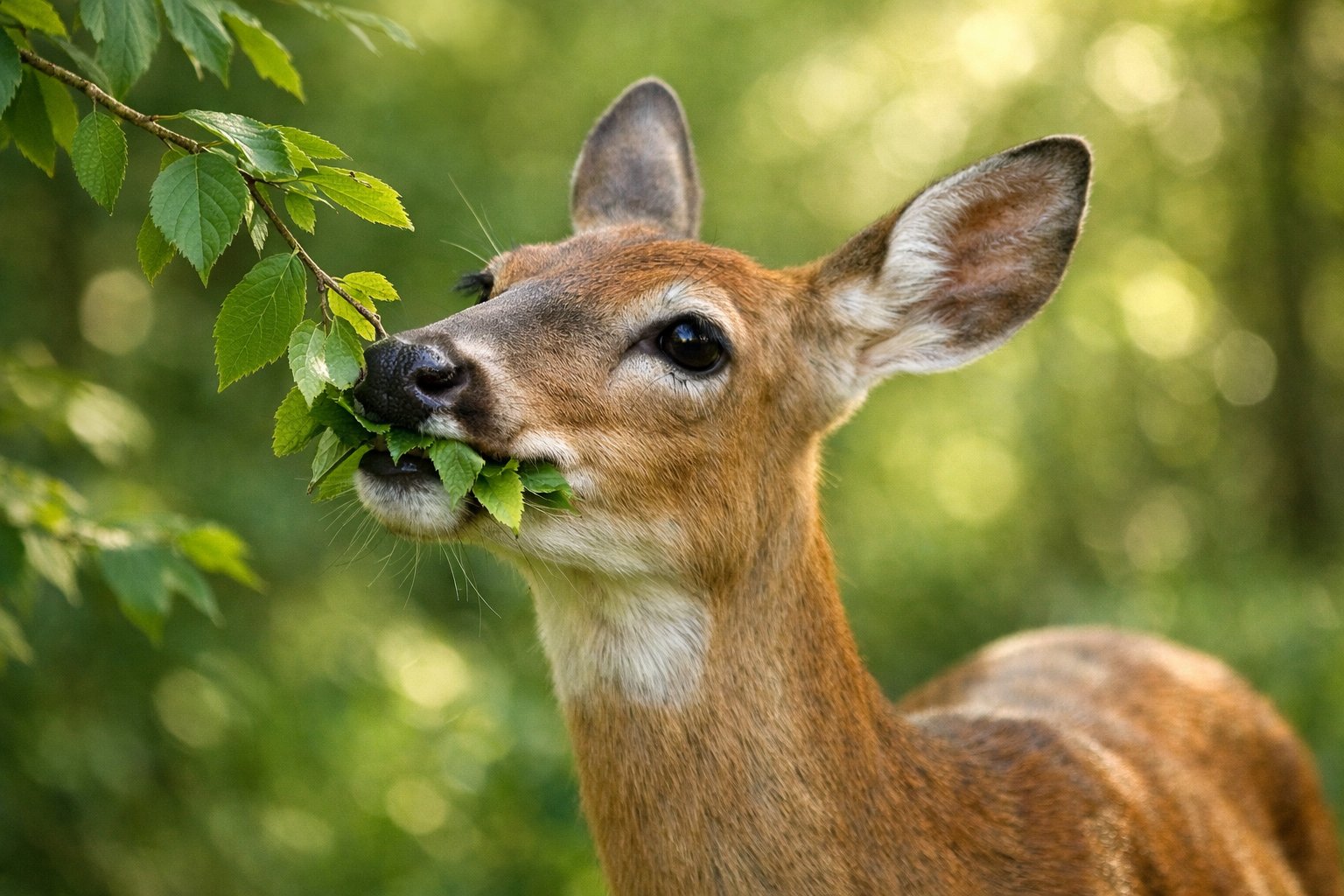
Let’s dig into why deer graze so often, how chewing ties into digestion, and how hunger messes with their behavior and speed. You’ll also get some practical tips for handling a hungry deer in-game and learn what signs mean things are about to get dicey.
Understanding Deer Hunger in 99 Nights in the Forest

The Deer’s hunger changes how fast it chases you, when it’ll give up, and how long your lights keep you safe. You’ll need to watch for warnings, use campfires and flashlights, and switch up your movement when hunger spikes.
What Triggers the Deer’s Hunger State
You’ll see a clear message in-game when the Deer gets hungry: “The Deer is hungry tonight.”
Hunger pops up randomly, but certain things make it more likely. Fast travel, long chases, and lots of cultist raids all raise your odds. If you’re running from wolves or exploring new areas, you’ll notice the hunger meter goes up faster.
Environmental stuff matters too. When cultists attack nearby, the Deer usually gets more aggressive after. The designers really tied hunger to overall game pressure, so busy nights with predators or raids often mean a hungrier Deer.
How the Hunger State Changes the Deer’s Behavior
When the Deer gets hungry, it moves faster and stops sneaking around. Instead, it’ll just sprint right at you. Light gives you less safety than before—campfires and flashlights buy you only a little time now.
It’ll sprint on all fours and close the distance fast, so you have to be extra careful with timing and distance. The Deer stops caring about noise and will chase you through places it usually avoids.
Weapons won’t help, so you’ll have to use the environment. Rocky spots, dense trees, or buildings work best to break its line of sight. On hunger nights, you’ll also risk running into other predators since you’re forced to move more.
Hunger Warnings and Visual Signs
Watch for the warning text and listen for deep rumbles. The Deer’s eyes glow red and its antlers look bigger, which is never a good sign. Its posture changes too—it crouches lower before sprinting, and you can see its breathing more clearly.
You’ll hear faster footsteps and notice it detects you from farther away. If you spot these signs early, back away slowly toward a campfire or stronghold. Don’t just run blindly; those few seconds can save you.
The Role of the Campfire and Flashlights
Campfires and flashlights still give you some safety, but not as much during hunger nights. Normally, a campfire’s light keeps the Deer away if you stay inside the glow. When it’s hungry, that safe zone shrinks, and it’ll stick around longer before leaving.
Flashlights can break its focus, but they burn through batteries faster when the Deer’s hungry. Stick with campfires in safe spots and stash extra batteries for emergencies. If you have to move, plan your route to hit multiple light sources.
Try to avoid open areas where the Deer can sprint right at you. Use your lights to guide the Deer into rough terrain that slows it down.
Key Survival Strategies for Managing the Deer’s Hunger
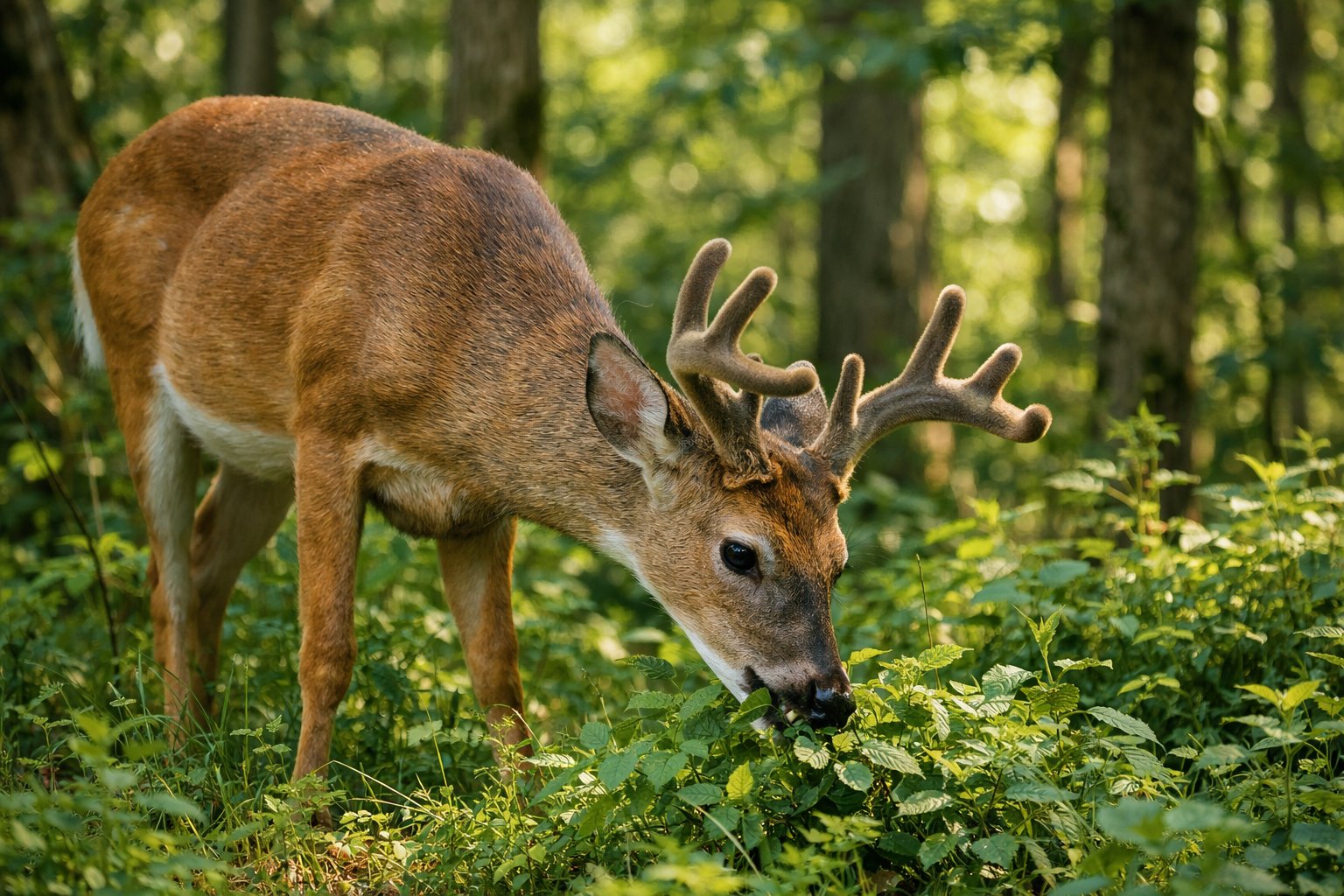
You need a few clear steps to keep deer from making your camp life risky. Focus on where you put your lights, avoid moving around when deer are most active, and use simple tricks to cut down on run-ins.
Prioritizing Light Sources and Safe Zones
Put your lights where they’ll actually help. Use low, warm lights near your shelter to mark a safe edge without calling every animal in the forest. Place a brighter, timed lamp about 10–15 meters from camp, facing away from where you sleep. That way, curious deer drift away from you while your spot stays calm and dim.
Keep your safe zone clear by sealing up food and storing snacks in scent-proof bags. Cook downwind and at least 20 meters from where you sleep. Block off your area with low brush or a fallen log—deer usually avoid these.
Draw a simple map of your camp with light spots, food storage, and exits. Stick to it so you don’t get surprised at night. If you’re in a group, let one person watch the lights and food during busy hours.
Avoiding High-Risk Exploration on Hungry Nights
Deer get more active in the early morning and late evening. Don’t plan big foraging trips during those times, especially when hunger makes them bolder. Aim for midday trips when deer chill out and you can see better.
If you have to move at night, grab a headlamp with a tight beam and keep your noise down. Stick to packed trails to avoid spooking deer and other animals. Skip the thick brush and steep ravines—those are prime spots for sudden encounters.
Carry a whistle or air horn in case you need to scare something off fast. Keep a small stick or trekking pole handy—it helps with balance and lets you move brush aside quietly.
Essential Survival Tips for Outrunning the Deer
You won’t out-run a deer for long, so you’ll need to plan ahead and think about your route. Try to stick to ridgelines or open clearings where you can see at least 50 meters in front of you.
That way, you’ll spot deer early and have a chance to change direction before they spot you.
If a deer charges, don’t just take off running in a panic. Head for higher ground or duck behind a tree—anything that breaks its line of sight.
If the terrain isn’t too rough, zig-zag as you move. That can help you avoid a direct collision and maybe even confuse the animal for a second.
Brush up on basic foraging so you don’t have to leave camp for food as often. Try to memorize a handful of edible plants and figure out where they grow nearby.
Bring compact survival gear: a fixed-blade knife, a small map, and a compass. These tools really help with navigation and keep you from wandering into risky areas, especially if you’re out in the woods for weeks at a time.


