
You just heard a sharp snort from the brush—what did it mean? Most of the time, a deer snorts at you to signal alert or danger. It’s warning other deer and testing what it smelled, saw, or heard. Knowing this can help you stay calm and figure out what to do next.
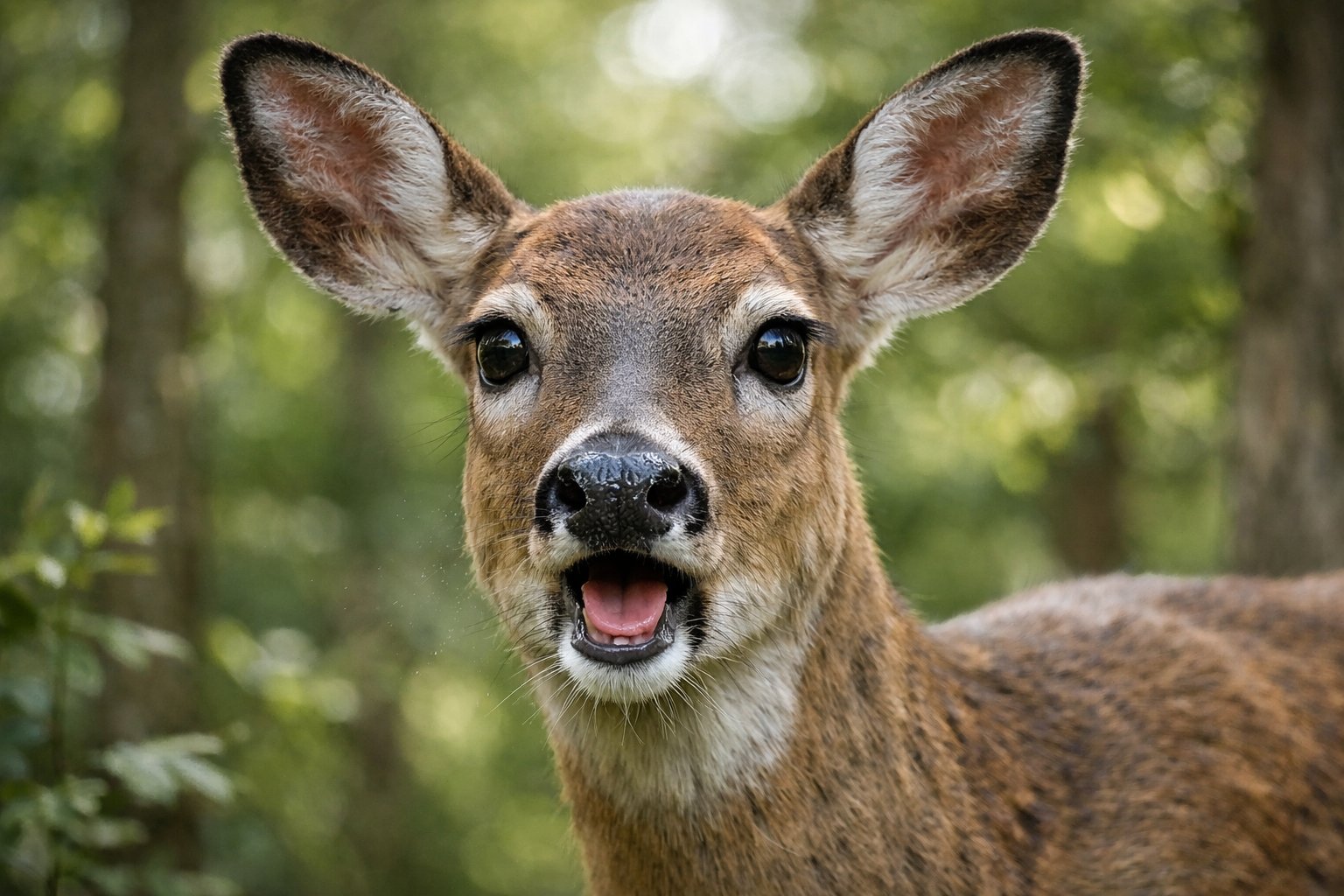
Not every snort means the same thing, though. Sometimes it shows irritation, or maybe it’s about mating or dominance.
You’ll notice snorts can come with stomping or tail-flagging, which totally changes the message. Let’s break down why deer snort, how to read their signals, and how different species or situations can tweak the sound.
Reasons Why Deer Snort at You

Deer use snorts and blows to send quick, clear messages. These sounds tell you—and other deer—about danger, discomfort, or social rank.
You’ll often see a foot stamp or tail flick thrown in for good measure.
Alarm and Warning Signals
A snort is really an alarm for other deer, not so much for you. When a deer snorts, it blasts air through its nostrils, making a sharp, explosive sound that carries across the woods.
Nearby deer pick up on this and either freeze or bolt. You might see a deer stomp its front foot at the same time.
That stomp gives a visual cue, letting deer behind cover know there’s trouble. Wind direction matters here.
If the deer snorts upwind, it tries to check scents and pass that warning along. When a doe has fawns, she snorts more often to protect them.
Hunters and hikers usually hear snorts during fawning season or in spots where deer feel hunted. If you hear a snort and then see quick movement, the deer probably decided the threat was real.
Startled Response and Discomfort
Deer snort when they’re startled or something just feels off. A sudden human movement, a barking dog, or a weird smell can set them off with a sharp snort and a quick head jerk.
The sound acts as the deer’s alarm and helps it gather more info. Sometimes it’s just one snort, other times it repeats if the deer stays uneasy.
You’ll notice the deer’s ears swivel and nostrils flare as it tries to sniff you out. If it doesn’t run, it might freeze to avoid drawing more attention.
When a deer feels physical discomfort—like from ticks, an injury, or just irritation—it might blow or snort in short bursts. Those snorts sound strained and can come with heavy breathing or visible agitation.
Establishing Dominance and Social Cues
Deer also use snorts as social language, especially during the rut. Bucks snort and blow to show dominance, warn rivals, or signal they’re ready to fight.
These snorts often come with grunts, stomps, and antler displays. You’ll hear different patterns.
A single, loud snort might mark territory, while a bunch of snorts can challenge another buck. Sometimes does snort to keep group order or call fawns closer.
Social snorts help the herd keep structure without fighting. If you run into deer during mating season, be extra careful.
A snorting buck that lowers its head and fans its tail probably feels provoked. If you get too close, it might charge.
Deer Snorting: Communication, Sounds, and Species Differences

Let’s look at how deer make snorts, what the different sounds mean, and how bucks and does use them in their own ways. This will help you spot when a whitetail might snort at you and what to watch for.
How Deer Produce a Snort
Deer force air out of their lungs through tight nostrils to make that sharp snort. The sound comes from a sudden air burst, not the vocal cords, so it’s short and high-pitched.
You’ll hear this when a whitetail picks up a strange smell, movement, or sound. Muscle tension in the chest and throat shapes how loud the snort gets.
A quick, single snort usually means the deer’s on high alert. If you hear several rapid snorts, that’s a sign the deer feels seriously threatened, and other deer might take off.
In quiet woods, a snort travels pretty far, warning the herd without anyone needing to see the threat.
Deer Snort Wheeze and Other Variations
A snort-wheeze combines a quick snort with a long, wheezy exhale. Bucks use this mostly during the rut to show aggression or dominance.
The wheeze adds a lower, strained sound that tells other deer a buck’s ready for a challenge. You’ll also hear soft snorts from does that are just testing for danger and loud blows when deer get startled.
Fawns usually bawl or bleat, but they can snort if they get scared. Trail cams and audio recorders help researchers match these sounds to deer behavior, showing how deer use sound to stay safe and keep order in the herd.
Differences Between Does and Bucks
Does and bucks both snort, but honestly, they do it for slightly different reasons. Does usually snort to warn their fawns or other deer in the group about predators or any weird new scents.
You’ll often hear does let out shorter, quicker snorts if they pick up on humans or dogs hanging around. They don’t mess around when it comes to keeping their young safe.
Bucks, on the other hand, snort to send a message—sometimes it’s a warning, sometimes it’s pure attitude. When the mating season hits, a buck’s snort-wheeze can come off as pretty aggressive, especially if there’s another buck nearby.
They might use that same snort to try and impress does or just to size up a situation before making a move. If you pay close attention, bucks usually have deeper, more complicated snorts, especially when they’re hidden in thick brush or during the rut.


