
Here’s the quick answer you probably came for: Most common deer, like white‑tailed and mule deer, stay pregnant for about 200 days—so, six to seven months.

But why does this timing even matter? Well, it ties fall mating to fawns showing up in late spring, and the doe’s health and food supply can change how many fawns make it. That’s handy to know if you like watching deer or you manage land.
You’ll spot signs of pregnancy, guess at birth windows, and maybe see how the deer calendar fits the seasons right where you live.
How Long Is a Deer Pregnant?

Most deer carry their young for six to eight months, give or take, depending on species and when they mated. Moose and elk, being bigger, stay pregnant longer than smaller deer like white-tails.
Typical Gestation Period of White-Tailed Deer
A white-tailed doe usually carries her fawn for about 193–205 days. That’s close to seven months.
You’ll see them mate in the fall, then fawns start showing up in late spring or early summer. This timing means fawns get warm weather and plenty of food when they’re just starting out.
Most does have one or two fawns. First-timers often have just one, but older does are more likely to have twins.
If a doe eats well and stays healthy, her fawns have a better shot at surviving. You might notice pregnant does slow down near the end, hanging back and moving less.
They’ll hide their fawns in thick cover for the first few days after birth.
Gestation Periods Among Deer Species
Gestation varies by species. Mule deer and white-tails both average around 200 days.
Reindeer (caribou) go a bit longer, roughly 200–220 days. Red deer and fallow deer are about the same, usually seven to eight months.
Elk carry calves about 240–265 days. Moose go 230–250 days, which makes sense since their calves are bigger and show up a bit later in spring.
Knowing these numbers helps you guess when fawns or calves might arrive. If you manage land or just like watching wildlife, keep an eye on which species you have so you can watch for new arrivals.
Factors Affecting Pregnancy Duration
Nutrition really counts. If a doe doesn’t get enough to eat or doesn’t have enough fat, she might not conceive right away, or embryos might not survive. But the length of pregnancy usually stays close to normal for the species.
Malnutrition can stunt fawn growth more than it changes how long the doe is pregnant. Age and health play a role too.
Young does still growing might have smaller fawns, or just one instead of twins. Stress or sickness can sometimes cause pregnancy loss, but rarely changes how long she’s pregnant.
Latitude and climate tweak the calendar a bit. Deer living farther north often breed on a tighter schedule to fit short summers. So, if you’re guessing pregnancy length, local conditions matter.
Seasonal Timing and the Rut
The rut—deer breeding season—happens in fall. Day length triggers bucks to get rowdy and does to go into heat.
You’ll usually see most mating from late October through December for North American white-tails and mule deer.
Since most conception happens during the rut, births cluster in late spring. That’s smart timing—fawns get the best shot at survival when plants and bugs peak.
In milder areas, the rut might shift a few weeks either way. If you’re tracking deer, look for bucks chasing does or changes in antler velvet—those clues help you guess when fawns will show up.
Elk and moose follow the same general pattern, but with their own schedules.
Deer Reproductive Cycle and Fawn Development
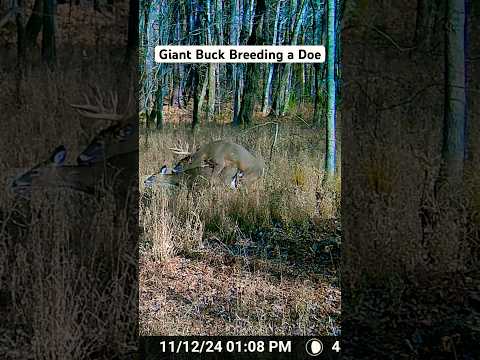
So, when do deer mate, how does the embryo develop, and what helps fawns survive those first days? It all connects—fall mating, spring fawning, and the mother’s health.
Stages of Deer Pregnancy
Pregnancy starts with the rut, usually late October through November across much of North America.
After mating, the fertilized egg becomes a blastocyst and heads to the uterus. Once it implants in the uterine wall, fetal growth really kicks in.
For white-tailed and mule deer, gestation runs about 190–205 days. Bigger species like elk and moose stretch that to 230–265 days.
If a doe eats well and is fully grown, she’s more likely to have twins. Yearlings, on the other hand, mostly have just one.
Embryonic Diapause and Delayed Implantation
Some hoofed mammals pause pregnancy at the blastocyst stage, but most North American deer don’t really do this.
Still, the timing depends on daylight. Shorter days in fall flip the hormonal switch and start the cycle.
If a doe conceives late or has delayed implantation, she’ll give birth later in spring or even early summer. That’s not ideal—late fawns miss the best food window and survival drops.
Body condition and stress can mess with the schedule, too. If a doe’s healthy, things usually stay on track.
Fawning Season and Birth Process
Fawns mostly arrive in late May through June, right when plants are lush and bugs are everywhere.
Does pick hidden, sheltered spots to give birth and stash their fawns. Most of the time, they have one or two—twins are common if the mother is in good shape.
Brand new fawns weigh between 4–8 pounds if they’re white-tails. They have white spots for camouflage.
Mothers hide their fawns for hours while they go feed, then come back to nurse. If you spot a fawn alone, don’t worry—the mother’s nearby and will return once you leave.
Fawn Growth and Survival
Fawns grow fast in their first weeks. They gain weight and strength while nursing and browsing.
Several things shape their chances—how well their mothers eat, how much cover the habitat offers, the number of predators around, and, honestly, the weather. When does have plenty to eat, their fawns usually weigh more and make it through that tough first year.
Coyotes, bobcats, and brutal winters pose the biggest threats. If you’re trying to help fawns survive, focus on keeping good cover and food available. Try to keep human activity low during fawning season.
Curious about when deer give birth or how long pregnancy lasts for different species? Check out the data on gestation periods for common deer species (https://scienceinsights.org/how-long-is-a-deer-pregnant-the-gestation-period-explained/).


