
Ever wondered if deer meat is tough, gamey, or just a pain to cook? Honestly, deer can be really enjoyable if you handle and cook it right. But if you skip proper trimming or overcook it, the flavor can get strong and the texture turns tough. Let’s dig into what actually affects deer meat so you can sidestep the usual mistakes and actually enjoy your venison.
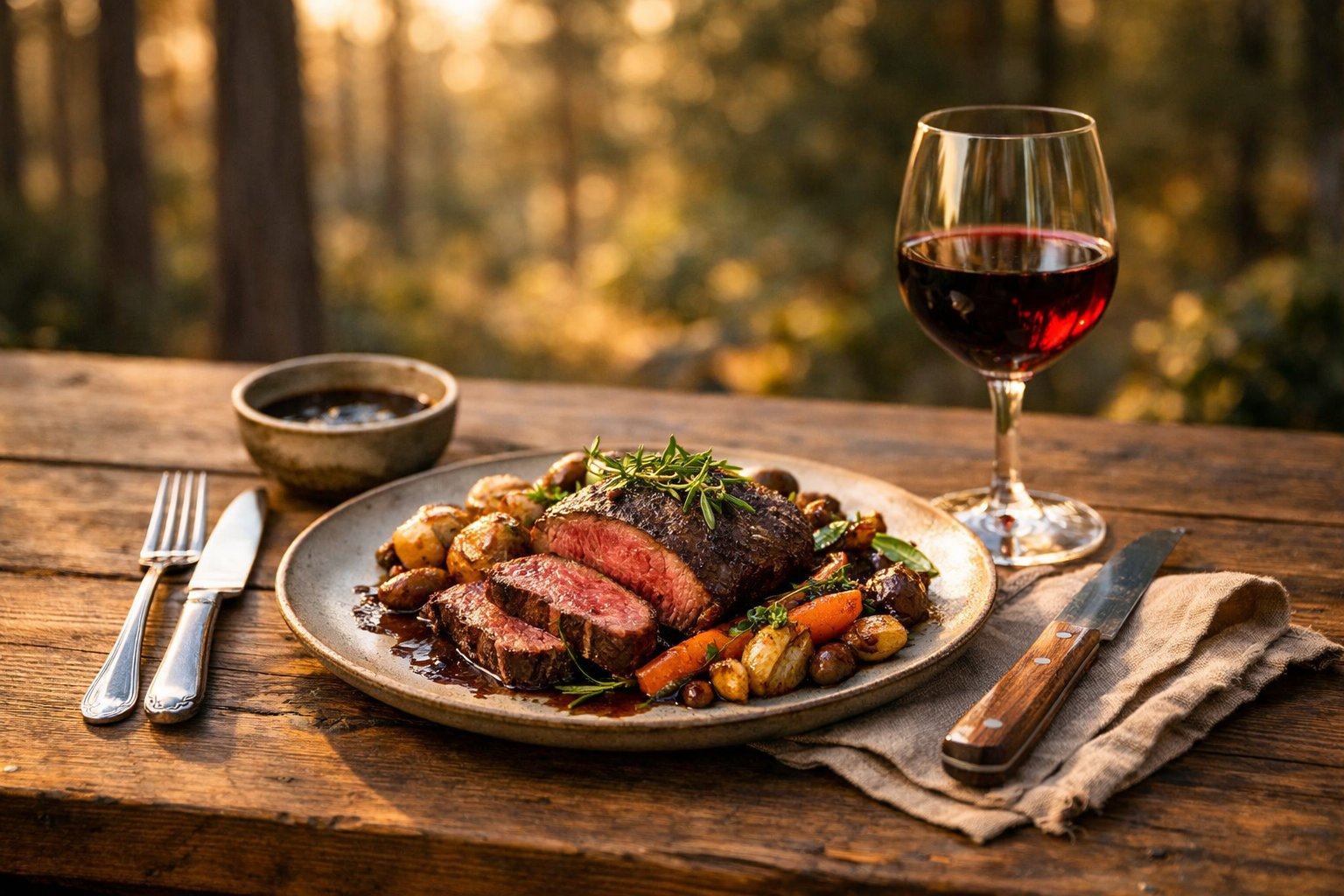
You’ll get a look at how a deer’s diet and body change the flavor and texture. Some parts of the animal just taste better, and there are simple steps for making venison tender and mild.
I’ll cover practical tips for trimming, cooking, and what to look out for when you prep your deer.
How Deer Eat: Digestive Adaptations and Dietary Preferences

Deer rely on a multi-chamber stomach and make careful food choices to squeeze out nutrition from plants. Their chewing style, teeth, and food preferences all shape how they gain weight, grow antlers, and get through tough seasons.
Digestive System of Deer
Deer are ruminants, and their stomach has four parts: rumen, reticulum, omasum, and abomasum. The rumen holds microbes that ferment fibrous plants.
This setup lets deer break down cellulose from leaves, twigs, and grass—stuff most animals can’t digest.
You’ll spot deer chewing quickly while browsing. Later, they’ll rest and “chew the cud.” That means they bring up food to chew it again, breaking it down even more for the microbes.
The omasum filters out bigger bits, so only the fine stuff reaches the abomasum. That’s where enzymes finish the job.
Deer have strong molars and hefty jaw muscles. They grind up browse and grasses, pulling out the nutrients they need for antlers and to keep weight on through winter.
Natural Deer Diet
Deer eat a mix of browse, forbs, grasses, and mast, depending on what’s around. In forests and along edges, they munch on twigs, buds, shrubs, and young tree shoots—classic browse.
Forbs (broadleaf herbs) give them protein in spring and summer. Grasses matter more in open fields.
Mast—fruits and nuts—plays a huge role. Soft mast like berries and apples gives quick energy, while hard mast such as acorns packs in calories and fat.
White-tailed deer love oak acorns when they can get them, which helps them bulk up and grow antlers.
Sometimes, you’ll see deer nibbling lichens in thin soils or hitting up farm fields for corn. They always shift to whatever’s most nutritious and easy to reach.
Seasonal Changes in Food Choices
In spring and summer, deer go for high-protein forbs, fresh leaves, and tender shoots. Bucks need that protein for antlers, and does need it for milk.
You’ll see them grazing more, picking out plants with the most moisture and nutrients.
Come fall, deer switch to mast and start packing on fat. Acorns, apples, and late fruits help them gain weight before winter.
Bucks eat more to finish their antlers before the rut.
Winter is rough. Deer turn to woody browse—twigs, buds, and dry leaves. Their digestive microbes slow down, calories get scarce, and they feed super selectively to make it through until spring.
Human Consumption of Deer: What Makes Deer Hard or Easy to Eat?

Deer meat can turn out mild and lean, or it can taste gamey and tough. It really depends on what the deer ate, how old it was, and how you handle the meat.
Cooking style, the cuts you pick, and safety steps all matter way more than just “liking” venison.
Venison Taste and Texture
Venison is leaner than beef. Sometimes it tastes a bit sweet or grassy, especially when deer eat nuts and herbs like beechnuts, hickory, maple buds, or goldenrod.
If a deer snacks on cherries, pears, persimmons, or elderberry before you harvest it, the meat might pick up a fruity edge.
Deer that browse woody plants and leaves—yellow birch, honeysuckle, hostas, or even roses—can taste more “wild.” It’s not always a bad thing, but it’s noticeable.
Young deer and animals that aren’t stressed give you the most tender cuts. Backstraps and tenderloins stay tender if you cook them fast.
Shoulder and round? Those are tougher, so low, moist heat works better.
If a deer ate lots of protein-rich plants in summer, the muscles get firmer. Try grilling thin steaks from summer bucks.
Slow braises are best for deer that ate mostly mast or stored crops like corn or peas.
Safe Handling and Parts to Avoid
Field-dress the deer quickly to cool it down and stop bacteria from growing. Keep the gut sealed until you’re ready to remove it in a clean spot.
Don’t let bile or stomach contents spill onto the meat—especially if the deer was eating oats, sweet potatoes, or tomatoes from fields.
Trim off fat and the dark connective tissue. Deer fat often carries strong flavors from what they’ve been eating.
Skip meat near the spine and head if you think there’s a disease risk.
Freeze or chill the meat within 24 hours. If you have big cuts, age them in a clean fridge for up to a week to make them more tender.
Wear gloves and keep your tools and surfaces clean. It’s just safer that way.
Risks: Chronic Wasting Disease and Feeding Practices
Chronic wasting disease, or CWD, hits deer pretty hard. It’s a prion disease that attacks their brains and always ends up fatal.
If you see a deer acting strangely, losing weight, or stumbling around, don’t eat its meat. A lot of places recommend testing deer for CWD before anyone eats them, which seems like a smart move.
When people feed deer—whether it’s with oats or fancy pellets—they make the animals gather in bigger groups. That really ramps up the risk of CWD spreading.
Artificial feeding and baiting pull deer together, too. This doesn’t just boost disease risk; it also means more ticks and pushes deer away from their natural food like goldenrod or maple.
Check your local rules before feeding deer at all. If you hunt near places where CWD has shown up, skip eating the meat unless you have clear test results.
Want to dig deeper? There are plenty of resources about what draws deer in and how to feed them without taking big risks.


