
You probably spot deer for their graceful movements, but let’s be real—one thing about them really jumps out. Antlers grow and drop off every year, which is wild since not many animals can regrow a whole body part like that. This cycle lets males fight for mates, shows off their health, and proves just how fast bone can actually grow.
We’ll get into how antlers form, why they matter so much during mating, and how they connect to other deer superpowers like speed and sharp senses. I’ll keep it simple, with examples that tie antlers to the bigger story of how deer make it in the wild.
Antlers: Nature’s Marvel and Their Unique Growth Cycle

Antlers are bone structures that deer grow and shed each year. They reveal a lot about a deer’s age, health, and social status.
Deer form antlers through a rapid, hormone-fueled process that burns through minerals.
How Deer Antlers Grow and Shed Annually
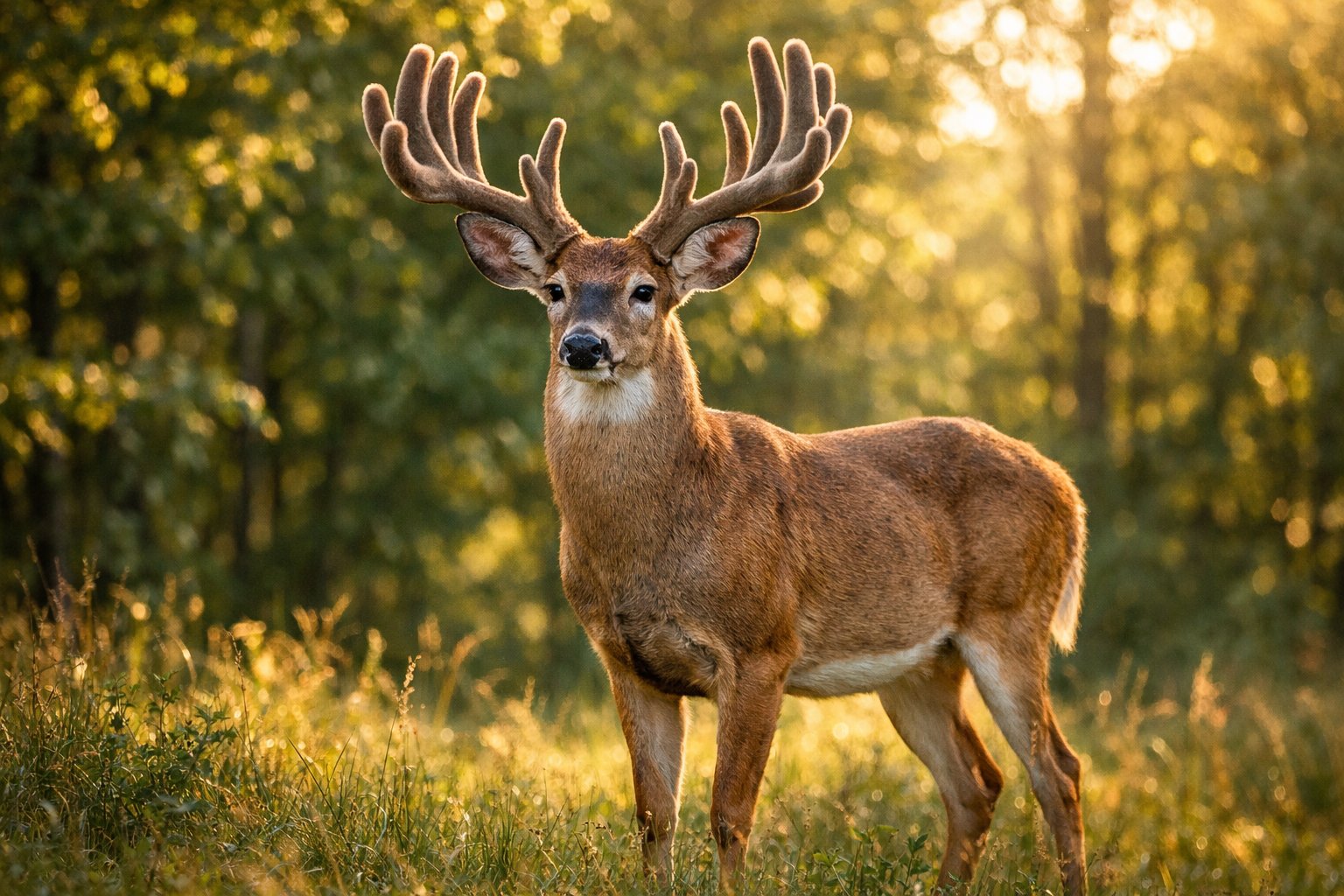
Antlers start growing from a bony base called a pedicle on the skull. In spring, you’ll see antlers shoot up fast, covered in a fuzzy, blood-rich skin.
Adult whitetails can add about 1–1.5 inches per week at peak growth, but it depends on the species—moose, elk, and even the extinct Irish elk all have their own pace.
By late summer, the bone hardens as minerals settle in. Testosterone levels rise and finish off the hardening before the rut.
After breeding season, bone-resorbing cells weaken the pedicle, and the antlers just drop off. Most deer lose their antlers in winter.
Reindeer and caribou break the pattern a bit—both sexes can carry antlers, and their timing’s a little different.
Why Only Certain Deer Grow Antlers
Most of the time, only male deer grow antlers. Bucks, bulls, and stags use them for fighting and showing off during mating season.
But there are exceptions—female reindeer and caribou grow antlers too. Some species, like musk deer and Chinese water deer, don’t bother with antlers at all; they have tusks instead.
Hormones call the shots here. Testosterone kicks off antler growth in males, while estrogen blocks it in females.
Where deer live and what they eat also shape antler growth. In areas without big seasonal swings, antler cycles might not follow the usual pattern, and a poor diet means smaller antlers.
Velvet: The Vital Role in Antler Development
Velvet is that soft, fuzzy skin you see on growing antlers. It’s loaded with blood vessels and brings in oxygen, protein, and minerals to build up the bone.
When antlers harden, bucks start rubbing on trees to peel off the dried velvet. That’s why you spot shredded bark in the woods.
Velvet grows fast, keeping up with the antler’s pace. As testosterone spikes, the velvet dries and peels away, leaving the solid antler underneath.
If a buck gets hurt or doesn’t eat well during velvet season, his antlers might not reach their full size. For species where big antlers matter for mating, that’s a big deal.
Other Remarkable Adaptations and Traits of Deer

Deer have a whole set of traits that help them eat, hide, and communicate. Their stomach, coat, and senses all work together to keep them one step ahead.
Specialized Four-Chambered Stomach for Herbivory
Deer are ruminants with a four-chambered stomach—the rumen, reticulum, omasum, and abomasum. This setup lets them handle tough plants like twigs, leaves, and grass that most animals can’t digest.
They chew quickly, swallow, and then later bring up cud to chew again. That gives microbes in the rumen more time to break down tough fibers into energy.
This system lets deer browse on shrubs and graze on grass, depending on what’s around. It’s a big reason they can survive when food gets scarce.
Fawns start with milk, but as they grow, they switch to plants and develop the gut microbes they’ll need for life. The slow food passage through all four chambers means deer soak up as many nutrients as possible.
Camouflage and Seasonal Coat Changes
Deer coats change with the seasons to help them blend in and stay warm or cool. In summer, many wear a reddish-brown coat that hides them among the leaves.
When winter hits, they grow a thicker, gray-brown coat that’s better for snowy or bare woods. Fawns usually have white spots that help them disappear while lying still.
Coat color, thickness, and shedding times all shift depending on species and where the deer live. North American white-tailed deer flash their tails when spooked—a signal to others and a bit of a warning flag.
Camouflage keeps predators guessing and helps deer thrive in all kinds of places, from forests to suburban backyards. You’ll notice their coats change right around the same time as the rut, migration, or when the weather turns rough.
Senses and Communication Strategies
Deer really depend on their sense of smell, hearing, and movement to get by. They pick up the scent of predators, possible mates, and food from surprisingly far away.
They’ll mark their territory or show their reproductive status by rubbing glands—on their legs, forehead, or even their tarsal glands—against trees or scraping the ground. If you look closely during mating season, you might notice these scent rubs and scrapes.
Deer catch even the faintest sounds with their sharp hearing. They’ll use vocalizations—bleats, snorts, and alarm barks—to warn each other about danger.
Visual cues matter, too. The way a deer holds its ears, flashes its tail, or stands can show if it’s relaxed or on edge.
And let’s not forget those strong legs and hooves; deer rely on them to bolt away fast and handle rough terrain. When you see how all these senses and signals work together, it’s honestly no wonder deer manage to thrive everywhere—from quiet suburban neighborhoods in the U.S. to wild places where rare species like the pudu still hang on.


