
Before you head into the woods to hike, hunt, or just watch wildlife, you probably want to know: do deer sleep in the same spot every night? Nope, they don’t.
Deer usually return to the same general bedding areas, but they pick different exact spots depending on food, cover, weather, and danger.
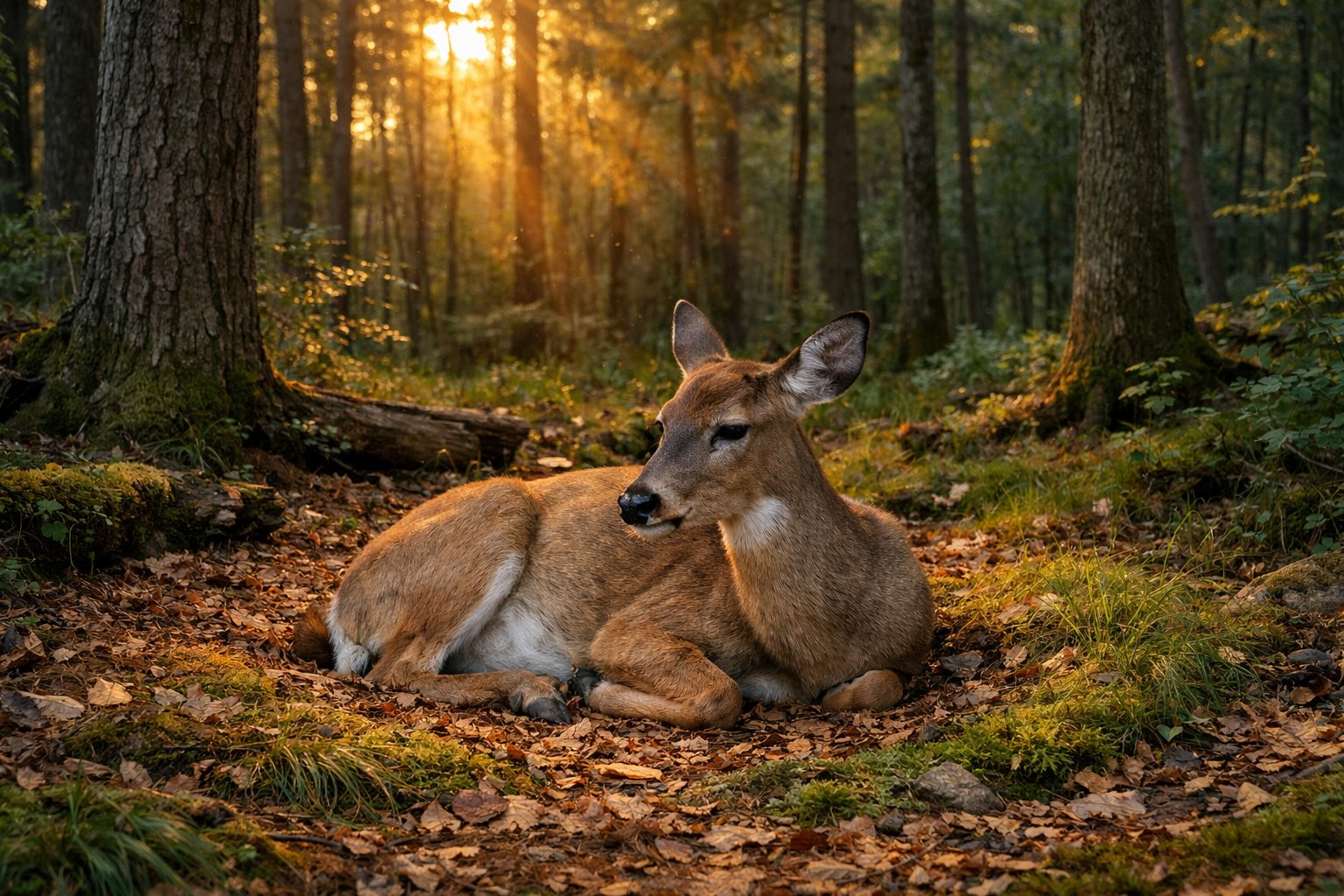
If you’re curious about where deer rest or how they choose their beds, this post will break down typical deer sleeping habits and the main reasons behind their choices.
You’ll get tips for spotting bedding signs and some insight into why deer might change up their routine.
Do Deer Sleep in the Same Place Every Night?

Deer often return to their favorite bedding areas, but they rarely use the exact same spot night after night.
They pick spots that offer cover, good sightlines, and an easy escape.
Bedding Site Fidelity Versus Rotation
You’ll notice deer stick to general bedding zones, not a single bed.
A deer might use the same thicket, ridge, or treeline again and again if it offers good cover, wind protection, and food nearby.
Within that spot, deer switch up their beds.
Changing beds helps them avoid leaving too much scent and keeps predators or hunters guessing.
Watch for oval depressions and flattened grass to find active beds.
If you see fresh tracks, droppings, or some hair, you’ve probably found a spot they used recently.
Bucks usually make bigger, lonelier beds.
Does often share beds nearby to help protect their fawns.
How Deer Choose Their Sleeping Spots
When you see deer pick a bed, they’re thinking about five things: concealment, visibility, wind, escape routes, and food distance.
Deer want to sniff the wind and watch for danger, but also stay hidden.
They like edges of fields, thick brush, evergreen cover, and leeward slopes when the weather turns rough.
If people start showing up more, deer shift to thicker cover or beds farther from trails.
Fawns hide in the densest brush.
Bucks often pick more isolated, higher ground.
Seasonal Changes in Bedding Patterns
Deer change bedding with the seasons to save energy and dodge threats.
In summer, they use cool, shady spots in thick brush or tall grass, which hides fawns and keeps them cooler.
Winter sends deer to south-facing slopes, evergreen stands, or protected hollows that block wind and soak up sun.
Deep snow drives them to lower, more sheltered spots.
When food sources move, so do beds.
After harvest, deer bed closer to field edges or fence lines, feeding at night and slipping back to cover by day.
Alerts and Survival Strategies
Deer don’t sleep deeply when they bed down—they keep their ears and noses working, so you’ll almost never sneak up on one in a deep sleep.
They nap in short bursts and can jump up in a flash.
They usually face into the wind to catch scents and always pick a bed with a quick escape route.
Does often bed in groups, which adds extra eyes and helps keep fawns safe.
If you stumble on a spot with repeated beds, try not to disturb it.
Move quietly and watch from afar to learn their patterns without pushing them out of their safe zones.
If you want more, check out this article on where deer sleep and daily patterns.
Factors Influencing Deer Sleeping Locations

So, why do deer pick one spot and avoid another?
Mostly, it’s about staying safe, finding food and water nearby, hiding from bad weather, and dealing with whatever humans are up to.
Predator Avoidance and Safety
Deer bed down where they can see or smell danger fast.
You’ll often find their beds on small rises, thicket edges, or places with a quick escape route.
Open sightlines matter—a deer wants to spot trouble coming.
Dense bushes, downed logs, or evergreen stands give cover and block the wind.
Fawns and does pick spots that mix visibility and hiding places, so they can nurse but still bolt if needed.
Bucks tend to bed alone in thicker cover, especially outside the rut.
Look for shallow depressions, trampled plants, and pellet piles near beds.
These signs show how deer move from bedding areas to where they feed.
Role of Food and Water Accessibility
Deer like to bed near food and water so they don’t have to travel far.
Check field edges, crop borders, or browse lines near streams—you might be close to a bedding site.
Does with fawns often stay within a few hundred yards of good browse or a food plot.
When seasons shift, so do their priorities.
In spring and summer, fresh shoots and water pull beds closer.
Fall brings deer to acorn trees or standing corn, while winter pushes them near any food they can find to save energy.
If you ever wonder why deer sleep in your yard, look for plants they eat and a water source nearby.
Short trips between bed and food keep them safer and help them save calories.
Impact of Weather and Environment
Weather changes where deer sleep all year long.
Hot days send them to shaded draws or under thick canopy to stay cool.
You’ll spot beds in low, sheltered hollows where the air is still and bugs aren’t so bad.
Cold snaps drive deer to thermal cover like south-facing slopes, dense pine stands, or places with deep snow that blocks the wind.
They use these spots to lose less heat and keep warm.
Terrain and plants matter too—steep hills, rocky outcrops, and riverbanks offer microclimates and more cover.
If you pair shelter spots with weather trends, you can map out likely bedding areas.
Human Activity and Wildlife Management
You might be surprised by how much human presence changes where deer sleep. Regular foot traffic, barking dogs, or noisy machinery push deer toward quieter corners of their territory.
If you cut a trail through a thicket, deer usually abandon beds nearby. Wildlife management decisions shape bedding too.
Food plots, brush piles, and selective timber cuts create fresh bedding spots. On the flip side, new development or heavy hunting pressure can break up bedding areas and force deer into riskier places.
If you manage land, try to help deer bed safely. Leave cover close to feeding spots, switch up where you walk, and keep water sources away from busy areas.
People who care about wildlife and avoid disturbing deer have a better shot at finding natural beds—without stressing the animals.


