
Let’s get right to it: caribou (also called reindeer) usually top the speed charts, hitting bursts up to about 50 mph. That insane pace lets them cross the tundra and slip away from hungry predators. I’ll dig into how other quick species like elk, white-tailed deer, and mule deer compare.

Want to know how different deer hit those top speeds? I’ll break down what those speeds look like in real life and the body features that let deer pull off those rapid escapes.
You’ll find speed estimates, side-by-side comparisons, and straightforward explanations of the traits that help deer sprint and dodge threats.
The Fastest Deer: Species and Speeds

Let’s get specific about top speeds and which deer can actually reach them. Body size and habitat play a role in those numbers too.
I’ll lay out clear comparisons between caribou, elk, white-tailed deer, mule deer, and a few other speedy species.
Record-Holding Deer: Caribou, Reindeer, and Elk
Caribou—reindeer if you’re in Eurasia—show off some of the highest sprint speeds among deer. Wildlife experts have clocked caribou hitting bursts up to about 50 mph when conditions are just right.
They really let loose during panic flights across open tundra, especially when wolves give chase.
Elk look bulky, but they move surprisingly fast. They usually top out near 40–45 mph.
Their big bodies mean they’re less nimble than smaller deer, but elk can cover a lot of ground and keep up a solid pace for longer stretches.
Here’s a quick rule of thumb: caribou and reindeer can match or beat most other deer in short sprints, while elk give up a little top speed in exchange for stamina and raw power.
How Fast Can a Deer Run?
A deer’s top speed depends on a bunch of things—species, age, the ground under their feet, and overall health. Smaller and medium-sized deer like white-tailed deer often hit 35–50 mph in a quick dash.
Many sources put the fastest individuals in the 40–50 mph range. Most of the time, though, deer cruise at much lower speeds—usually 20–30 mph when they’re running from danger.
Two main things really decide speed: leg length and muscle type. Fast-twitch muscle fibers let them explode off the line.
Long legs mean longer strides. Traction’s a big deal too; snow or thick brush will slow them down a lot.
Quick facts:
- Burst speed: up to ~50 mph for the fastest deer.
- Typical escape: 20–35 mph for most species.
- Steady jogging: usually under 20 mph.
Other Notable Fast Deer Species
White-tailed deer are famous for their quick takeoff and sharp turns. They can usually reach 30–40 mph and zigzag to lose predators.
Mule deer, which do well in hills and open country, sprint around 30–35 mph and handle rough terrain with ease.
Red deer and roe deer in Europe aren’t slow either. Red deer can run close to 30–40 mph.
Roe deer, being smaller, rely more on agility than raw speed. Moose, though, are the slowpokes of this group, but even they can manage 20–35 mph in a short dash despite their size.
Looking at North American deer, caribou and whitetail stand out for top speed and quickness.
Mule deer and elk thrive in open or rough areas, while moose give up speed for size and muscle.
Curious about caribou speed? There’s a detailed write-up on caribou and reindeer running abilities at The Institute for Environmental Research (https://iere.org/which-is-the-fastest-deer/).
What Makes Deer So Fast?
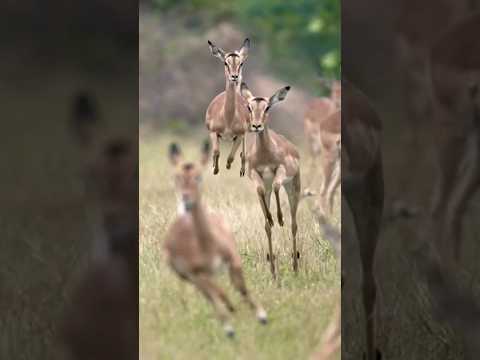
Deer rely on strong back legs, light bodies, and sharp instincts to get out of trouble fast.
Let’s look at how their anatomy, stamina, and predators all shape how they move.
Muscular Legs and Deer Physiology
Deer have long, powerful hind legs built for explosive speed. Their big glute and hamstring muscles deliver real push-off power.
Picture every leap coming from those muscles and a springy tendon system that stores and releases energy.
Their skeleton stays light, which helps them accelerate quickly. Thin limb bones and a flexible spine stretch their stride.
Hooves dig in for traction on dirt or snow, so you’ll see fast starts and tight turns.
Blood flow and lots of red blood cells help their muscles keep working hard during a sprint.
Young, healthy deer run best. Age, injuries, or poor nutrition can slow them down and make them less agile.
Speed and Endurance in Deer
Deer don’t run long distances at top speed—they sprint in short, explosive bursts. You’ll see them hit 30–40 mph for a short stretch, then slow down to recover.
That way, they save energy and avoid overheating.
Their gait changes based on what’s around them. In open fields, they bound fast. In forests, they walk carefully and weave between obstacles.
On flat ground, they can reach higher speeds. In thick woods, they rely more on maneuvering than pure speed.
Some species have more endurance than others. Caribou and elk can keep moving at a steady pace for long migrations.
Whitetails, on the other hand, focus on quick escapes from predators or hunters.
Evolutionary Pressure from Predators
Predators have shaped deer speed for thousands of years. Wolves, coyotes, and cougars go after prey that can’t turn quickly or sprint away, so only the fastest, most agile deer survive and pass on their genes.
Human hunting changes things too. If hunters take out the fastest, most alert deer, over time the population might get a little slower or less wary.
Bears and grizzlies rely more on ambush and strength than raw speed, so deer still need those quick bursts and sharp turns to get away—not just the ability to run far.
Speed Versus Other Fast Animals
Deer run fast—way faster than a lot of mammals out there. Still, they can’t really keep up with cheetahs or racehorses.
Some deer can hit a top speed that matches certain dogs. But, honestly, greyhounds and some big breeds can go just as fast, maybe even faster over longer distances. I wouldn’t say a dog always wins in a chase, though. Terrain and stamina? Those change everything.
Racehorses blast ahead on flat tracks and keep their speed up for longer stretches. Deer, on the other hand, explode into quick sprints, cut sharp corners, and handle rough ground without much trouble.
Wolves hunt in packs and rely on endurance to wear deer down over miles. Cougars? They sneak up and then launch into a final, explosive sprint.
If you look at wildlife corridors, deer use them to dash quickly along safe paths. That helps them dodge roads, stay away from hunters, and stick together with their herds.


