
Large carnivores usually eat the most adult deer. Smaller predators and scavengers mostly go after fawns or weakened animals.
Wolves and mountain lions top the list for eating the most adult deer in areas where they live. Coyotes, bears, and bobcats also add pressure by taking young or injured deer.
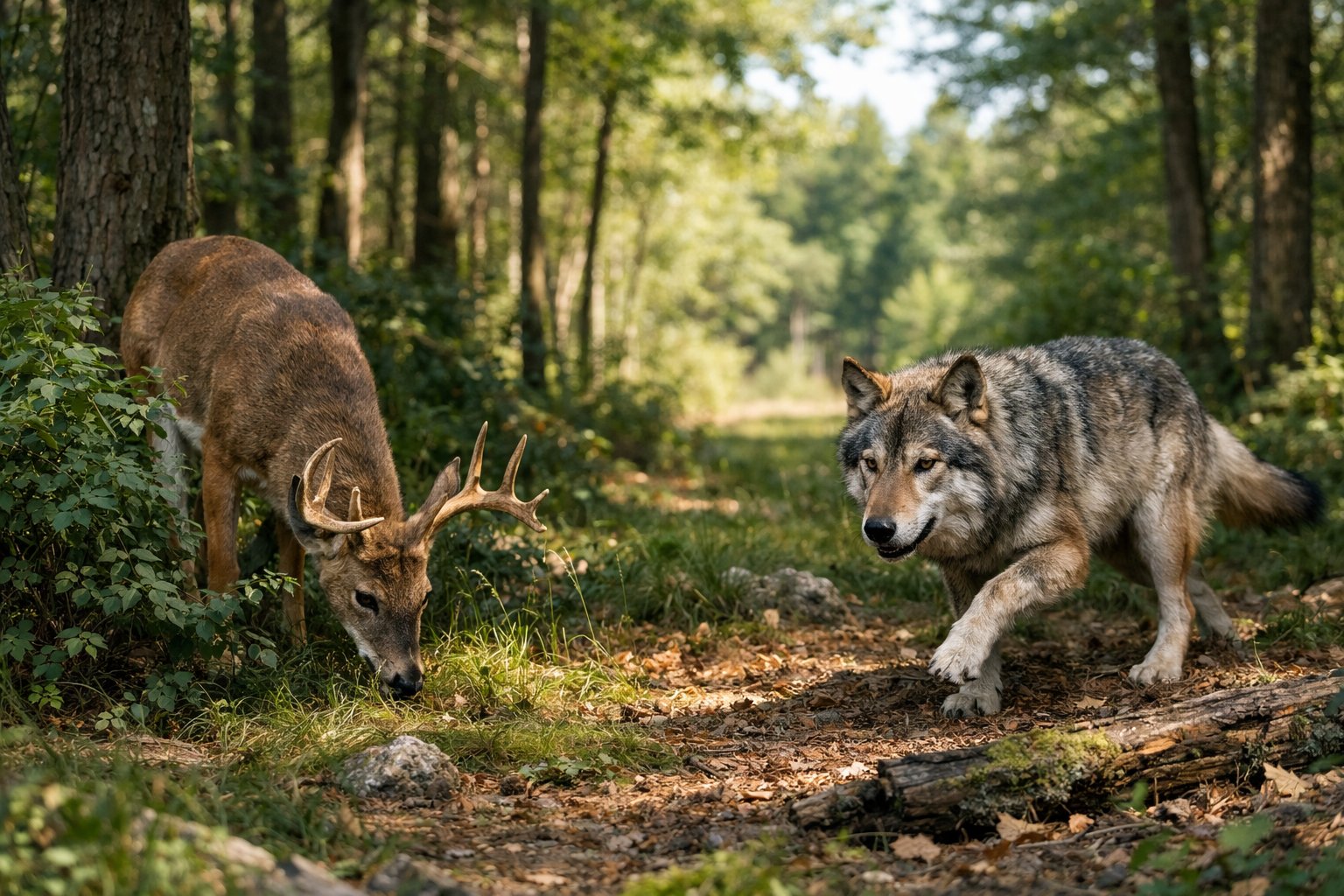
Let’s dig into which predators matter most in different places. Different deer species react in their own ways, and predation changes the whole ecosystem and food chain.
Curious about which animals shape deer numbers and why that matters? Let’s get into it.
Top Predators That Eat Deer
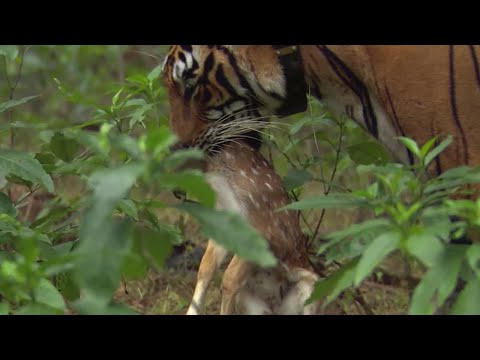
Deer run into all sorts of threats—people, big predators, smaller hunters, and scavengers. Let’s look at who kills the most deer, how they do it, and which deer they target.
Humans as Primary Deer Predators
People actually cause the highest number of deer deaths in many places. Hunting seasons, guns, and car crashes together remove millions of deer every year.
In the U.S., regulated hunting alone takes several million white-tailed deer each year. Traffic kills add even more.
Hunters usually go for adult bucks and yearlings, which changes herd structure and can slow population growth. Hunting also puts venison on the table and helps with wildlife management.
Car collisions often hit does and yearlings near roads, especially at dawn or dusk. How you drive and whether roads have fences really matters for reducing those deaths.
Wolves and Their Pack Hunting Tactics
Wolves kill a lot of deer where their packs live. A pack uses teamwork—chasing, flanking, and tiring out a deer.
They often go after older, sick, or young animals since those are easier to catch. You might see wolves working together to surround a herd, then chasing down the weakest deer.
In areas with stable wolf populations, wolves often rank as the top non-human deer predator. Their impact shifts depending on the region and how many wolves live there.
Coyotes’ Impact on Fawns and Adult Deer
Coyotes mostly take newborn fawns, but they’ll kill older deer if they hunt in groups. During fawning season, coyotes can cause high fawn mortality because they find and catch hidden fawns left alone.
Coyotes hunt alone, in pairs, or in small packs, depending on how much food is around. They also scavenge deer carcasses and sometimes attack weakened adults.
Their effect on deer numbers depends on how many coyotes live nearby and which other predators are around. Managing coyote numbers doesn’t always boost deer survival—nature’s web is complicated.
Bears: Opportunistic Hunters of Deer
Bears eat deer when they get the chance, especially fawns, sick, or dead animals. Black bears and brown/grizzly bears often feed on newborn fawns in spring.
Polar bears will scavenge or take deer relatives like reindeer in the Arctic when they can. Bears rarely chase healthy adult deer.
Instead, they rely on strength and opportunism—finding carcasses or ambushing young deer. Bear predation is pretty local and seasonal, tied to when bears need protein and when fawns are most at risk.
Mountain Lions and Wild Cats
Cougars, mountain lions, bobcats, and lynx all hunt deer with stealth and power. Mountain lions especially kill an adult deer every few days and love deer-sized prey.
They stalk quietly, leap, and bite the neck or throat. Smaller cats like bobcats and lynx mostly take fawns and sometimes yearlings.
Mountain lions can really impact local deer numbers since each cat needs many deer per year. They also change how deer behave, making them avoid certain areas or move at different times.
Birds of Prey and Scavengers
Big raptors, vultures, and crows eat fawns and carrion. Bald eagles and golden eagles will grab or scavenge newborn fawns in open areas.
Turkey vultures and black vultures focus on deer carcasses and gut piles left by hunters. You’ll find birds acting as both predators of live fawns and as clean-up crews for dead deer.
Hawks and smaller raptors rarely take live deer but will scavenge. These birds help stop disease by eating carrion, and they affect how long a carcass stays on the landscape.
Other Notable Deer Predators
Plenty of other animals kill or scavenge deer too. Alligators ambush deer at water’s edge in the Southeast U.S.
Orcas have even taken swimming moose or deer off coasts. Wolverines, jaguars, leopards, and wild dogs kill young or weak deer in their ranges.
Sometimes domestic dogs chase and kill deer. Wild hogs may scavenge fawn carcasses.
Vultures, crows, and raptors also help clean up remains. The local predator mix really decides which of these has the biggest effect on deer where you live.
Deer Populations, Predation, and Ecosystem Effects

Predators shape how many deer survive in an area, which animals feed on them, and how plants and other wildlife do. Different predator types affect deer deaths, and predation keeps numbers in check.
Deer also change their habits to survive. It’s an ongoing dance between predator and prey.
Predators’ Influence on Deer Mortality
Large predators like wolves and cougars kill healthy adult deer by chasing or ambushing them. Wolves use teamwork to wear down deer, while cougars sneak up and go for the neck.
Bears and coyotes mostly take vulnerable deer or fawns, which bumps up fawn deaths in spring. Scavengers like vultures, crows, and ravens clean up carcasses and help recycle nutrients.
Human hunters add to deer deaths during hunting seasons and sometimes through illegal poaching. All of this changes local deer numbers.
Disease, harsh winters, and habitat loss also raise deer deaths. Predators usually target the old, sick, or very young, which helps limit disease and remove weaker genes from the herd.
How Predation Balances Deer Population
Predation works as a natural control, lowering the risk of overgrazing. When predators keep deer numbers down, plants and young trees recover, which helps other wildlife.
If predator numbers fall because of hunting or habitat loss, deer populations can explode. That leads to overbrowsing, damaged forests, and less space for birds and small mammals.
Wildlife managers use regulated hunting and habitat work to mimic natural predator effects and avoid ecological problems. Predation also shapes food webs.
A healthy predator-deer balance supports carnivores, scavengers, and plant communities that need balanced browsing. You can see these links in places where wolves returned—herbivore habits changed, and so did vegetation and other animal numbers.
Deer Behavior and Adaptations to Avoid Predators
Deer constantly change where and when they feed to stay safer. You might catch them slipping into dense cover at dawn or dusk, especially if predators are around.
Sometimes, they move up to higher ground in risky areas. Females usually hide their fawns deep in thick brush, coming back just for quick nursing visits. They count on the fawn’s stillness and camouflage to keep it hidden.
Physical traits make a big difference, too. Deer have strong legs for sudden sprints, sharp hearing, and a surprisingly wide field of vision. These senses help them spot trouble early.
When deer group up, they watch out for each other. If one deer notices a predator, the whole group bolts. This teamwork lowers the odds of any single deer getting caught.
Humans play a role in shaping deer habits as well. Hunting seasons, busy roads, and even city edges push deer to change how and where they move or feed.
All these shifts influence where you’ll actually spot deer and the way they affect plants and animals around them.


