Maybe you want to help deer by tossing them a snack, but honestly, a lot of human foods can make them really sick. Skip high-carb stuff like corn, bread, and sweets, and definitely avoid anything moldy or treated—these can mess up a deer’s digestion or even be deadly.
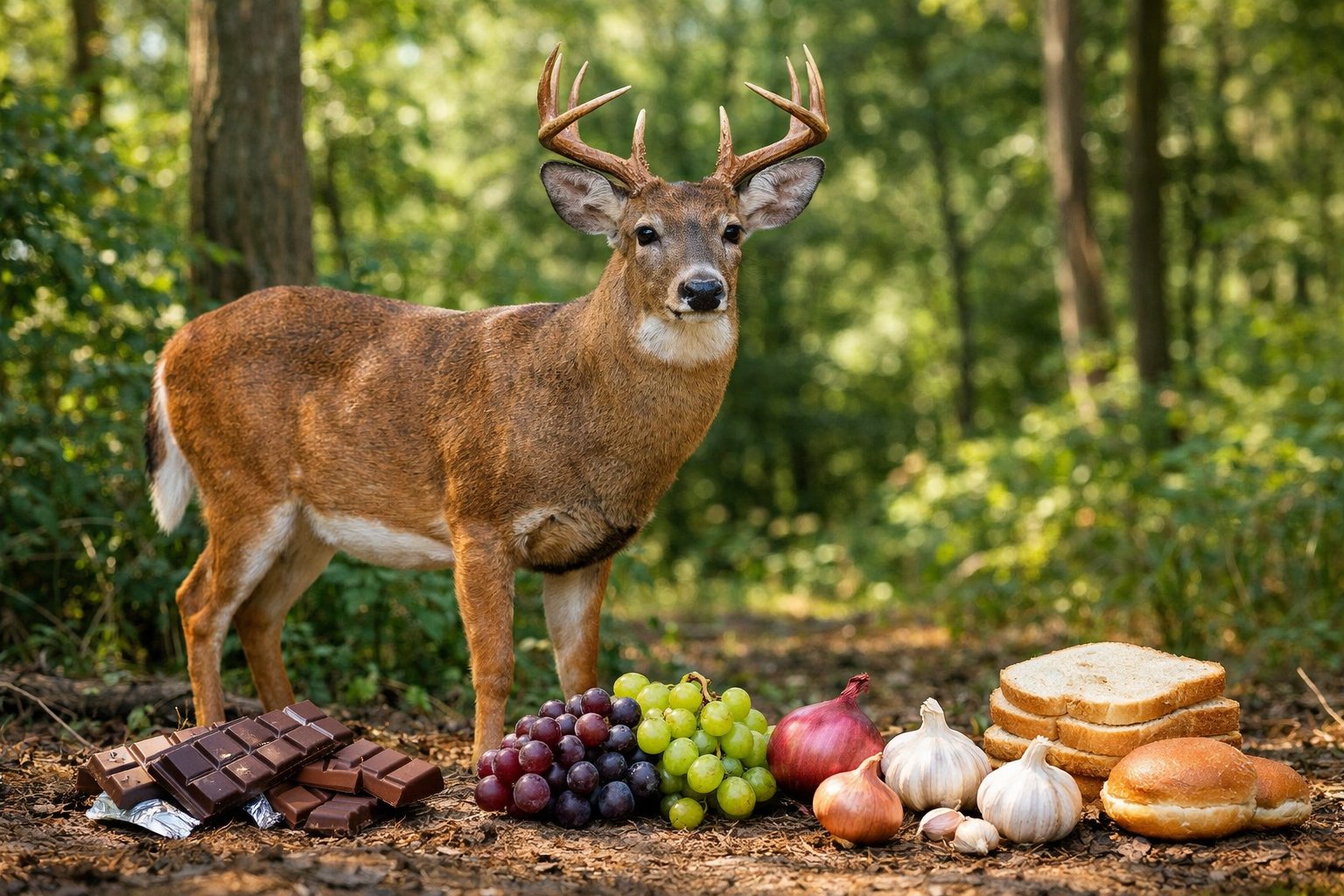
Pay attention to what might spill in your yard or end up in your compost pile. The next sections break down which foods are risky and how they can hurt deer and the environment, so you can do your part to protect wildlife—and your own backyard.
Human Foods That Are Toxic to Deer
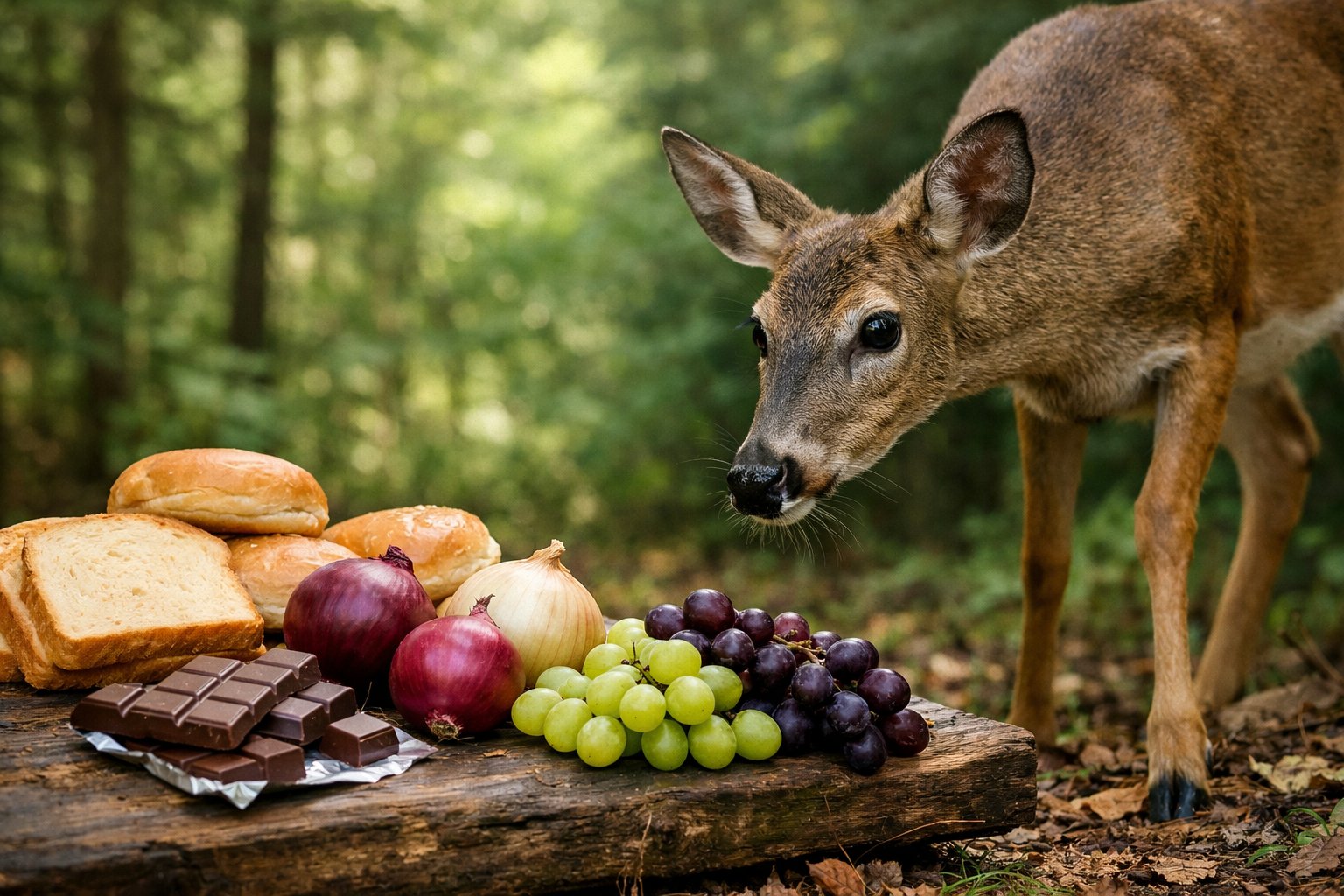
Deer usually eat wild plants, but some human foods and garden plants can poison them fast. Watch out for certain plants and processed foods that mess with a deer’s digestion, heart, or nervous system.
Dangerous Garden and Ornamental Plants
A lot of popular ornamental plants contain toxins that can really harm deer. Yew (Taxus spp.) is especially dangerous; almost every part except the fleshy seed coat has compounds that can stop a deer’s heart suddenly.
Rhododendrons and azaleas? Those have grayanotoxins, which can mess with nerves and the heart after even a small nibble. Lily-of-the-valley is another one to avoid—it’s got cardiac glycosides that throw off heart rhythms.
If you’re planting near deer trails, maybe skip these species or put up some tall, sturdy fencing. Fallen leaves or trimmings can still be just as dangerous.
Keep pet food and garden waste away from areas where deer might wander, so they don’t eat something harmful by accident.
Harmful Household and Processed Foods
Human snacks and processed foods usually don’t have the fiber deer need and can actually kill them. Bread, chips, candy, and other sugary or fatty foods can cause rumen acidosis or bloat, and over time, malnutrition.
Pet food and livestock feed tempt deer, but they throw off the balance of microbes in a deer’s stomach. That’s definitely not good.
Moldy or spoiled food is even worse—fungal toxins and aflatoxins can wreck a deer’s liver and kidneys. Don’t leave trash or piles of birdseed where deer can get to them.
If you want to help, just offer water or let native browse grow, instead of tossing out human snacks.
Toxic Fruits, Vegetables, and Nuts
Some fruits, veggies, and nuts are only safe in small amounts—or not at all. Apple pieces are usually fine in moderation, but too many can upset a deer’s stomach.
Avocado and rhubarb leaves? Those are toxic for a lot of mammals, deer included, so definitely don’t feed them. Acorns and beechnuts are natural foods, but too many can overload a deer with tannins, especially if they’re young or not healthy.
Skip giving deer whole corn, big piles of apples, or lots of nuts. These foods can mess up their gut bacteria or give them way too many carbs.
If you see deer snacking in your garden, clear away any tempting piles and plant native trees and shrubs for natural, balanced food.
How Feeding Toxic Foods Harms Deer and the Environment
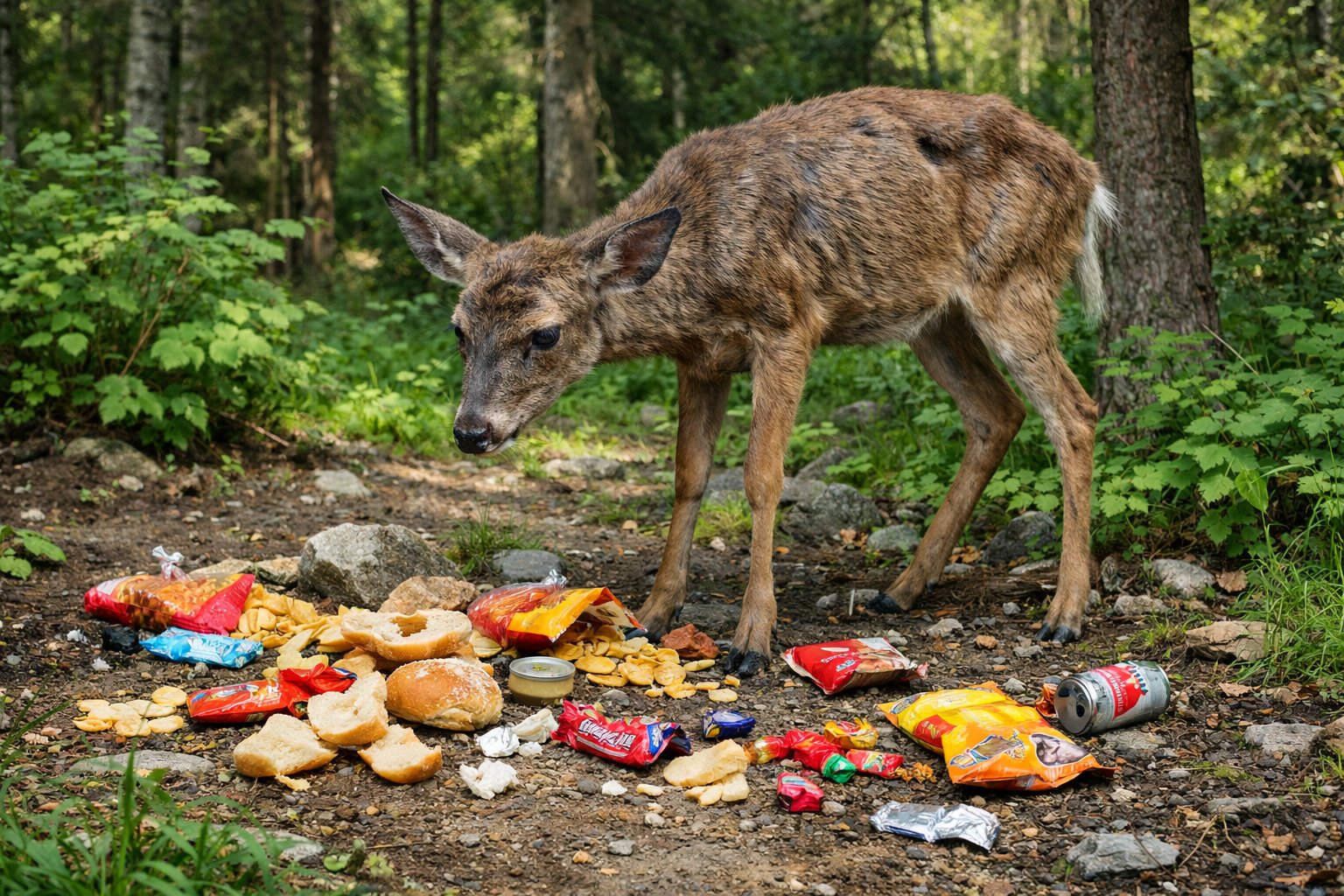
Feeding the wrong foods doesn’t just hurt individual deer—it changes their behavior and can damage the whole habitat. Avoid giving them high-carb or spoiled foods, and encourage natural forage instead.
Health Risks of Improper Feeding
When people feed deer corn, bread, or moldy food, it can cause rumen acidosis. That happens when too many simple carbs upset the bacteria in their stomach, leading to bloating, weakness, and sometimes even death.
Moldy grains and fermented fruit add toxins and alcohol, which can damage a deer’s liver and kidneys. Supplements meant for livestock often lack the nutrients deer need or have additives that can hurt them.
Green potato parts, tomato vines, and stone fruit pits have toxic compounds like solanine or cyanide precursors. Over time, a poor diet makes deer lose weight, develop hoof problems, and weakens their immune system, making them more likely to get diseases like bovine tuberculosis.
Impact on Deer Behavior and Habitat
When people feed deer all the time, deer stop foraging naturally and start hanging around feeding spots. That means more deer in one place, and disease can spread faster—chronic wasting disease comes to mind, since deer share saliva and feces.
Artificial feeding also pulls deer closer to roads and neighborhoods, which leads to more car accidents. When lots of deer crowd into small areas, they overbrowse plants and damage the habitat.
That hurts not just deer but other wildlife, too, and it lowers plant diversity. You might also attract animals you don’t want, like rodents, which can change the ecosystem and spread parasites.
Preventing Poisoning and Promoting Safe Feeding
Don’t leave out bread, corn, or processed snacks. It’s better to let deer find their own food—stuff like woody browse, forbs, and acorns.
Try planting native species and managing the habitat so deer get what they need. If you want to use supplemental feed, pick commercial deer pellets made for deer, and always check your local rules.
Skip livestock feeds and those concentrate selectors meant for other animals. Keep feeding spots away from roads and don’t put them all in one place, or you’ll get too many deer crowding together.
Pick up any fallen stone fruit and stash grain in sealed bins to keep it from spoiling. Talk to your neighbors about the risks of feeding deer and encourage them to plant things like clover, chicory, and native shrubs.
These simple steps help deer stay healthy without making them depend on people.


