
If you’re planning a hunt, you probably want to know which deer will really test your skills. Honestly, the Sitka black-tailed deer usually takes the crown for toughest challenge. If you’re all about tough terrain and tiny margins for error, chasing Sitka black-tails will push your tracking, stealth, and patience more than almost any other deer out there.
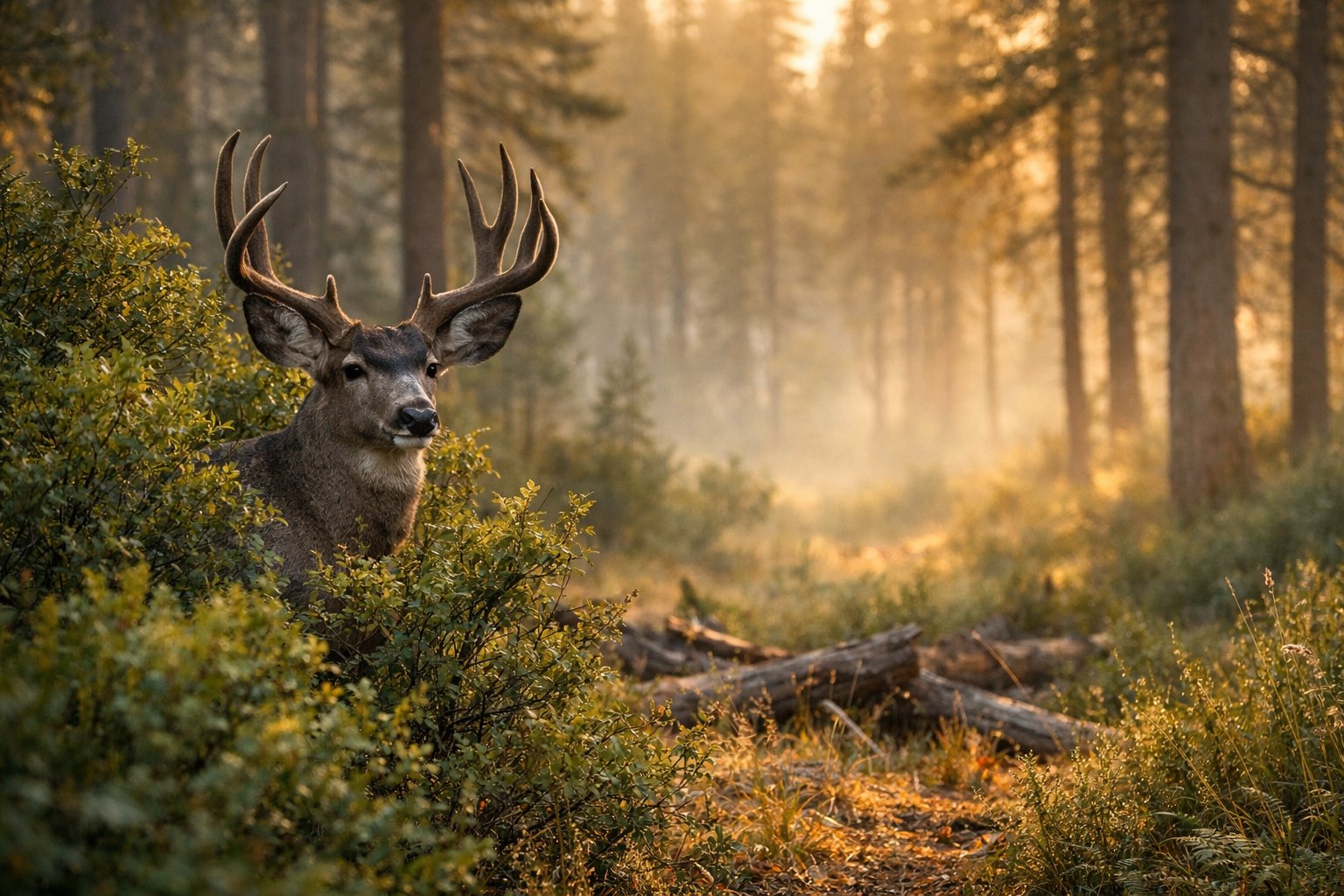
Let’s break down which species push hunters the hardest. We’ll look at dense habitat, sharp senses, and low numbers—and what you’ll need to do differently to prepare. You’ll get some practical tips on where these deer hide, why they’re so good at it, and how you might finally tip the odds your way.
The Hardest Deer Species to Hunt

These deer challenge you with sharp senses, tricky ground, and smart behavior. You’ve got to scout well, control your scent, and settle in for the long haul.
Whitetail Deer: Evasive Behavior and Hunting Pressure
Whitetail deer figure out their surroundings pretty quickly. In places where hunting pressure’s high, mature bucks get downright spooky.
You’ll notice they move less during the day and feed more after dark. So you have to focus on travel routes, edges, and food sources tucked near thick cover.
Trail cameras help you spot patterns. Glass from ridges or treelines early and late in the day. When you’re heading to your stand, watch the wind and move slow—dry leaves can ruin everything.
During the rut, you can try grunt calls and rattling, but don’t go overboard. Shot placement matters a lot, so practice at the distances you’ll actually see in your area.
Mule Deer: Stalking the Elusive Buck
Mule deer hang out in open and high country where you can see for miles. You’ll be stalking across ridges and basins, trying not to get busted from a distance.
Bucks spot you easily, so you have to use the terrain and let the wind help hide your scent. Pay close attention to bedding spots on sunny slopes and the few water sources around.
Hunt from good glassing points at dawn and dusk—you’ll spot deer farther out that way. Pack light and be ready for some real hiking. If you’re using a rifle, make sure your scope’s dialed in for longer shots.
Bowhunters have better luck setting up close-range ambushes near funnels and travel corridors.
Coues Deer: The Desert Ghost
Coues deer are tiny, quick, and almost invisible in the brush. They slip into steep draws, rocky benches, and thick chaparral before you even know they’re there.
You’ve got to read really subtle signs—tiny tracks, fresh droppings, little nibbles on shrubs. Hunt early when it’s still cool and they’re out in the open.
Move quietly along game trails and glass from cactus-covered ridges. The wind shifts constantly in canyons; one bad gust and they’re gone. Keep your pack light, use close-range optics, and set up for quick, accurate shots.
Patience pays off here—hunting short stints in the same area beats wandering all over for a day.
Roosevelt Elk and Other Challenging Big Game
Roosevelt elk are bigger than any deer, but they’re a different kind of challenge. They live in dense coastal forests and steep hills where you can’t see far.
You’ll have to listen for cow calls, hooves, and branches snapping to find them. Hunt during the rut or when they’re feeding in clearings.
Use cow calls and stay downwind of where they travel. Bring the right gear—a bigger caliber or a long-range rifle works better for elk. Don’t forget, packing out an elk is a whole job in itself.
Other big game like American elk demand solid scouting, good wind sense, and being ready for a long haul after the shot.
Factors That Make Deer Hard to Hunt
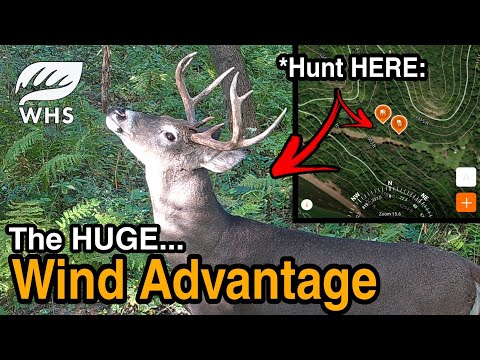
You’ll run into thick cover, miles of glassing, lots of other hunters, and unpredictable weather. All these pile up, especially on public land or out in sheep country and the desert Southwest, to make some hunts way tougher than others.
Terrain and Habitat Challenges
Steep mountains, rocky ridges, and sagebrush basins change how deer bed down and move. In spots like the Owyhee Mountains or southern Idaho, deer hide out in cliffs, rocky draws, and near the rare waterhole.
You have to plan your route, pack for long hikes, and practice shooting on uneven ground. Thick timber or dense cedar on public land lets deer vanish fast and keeps your sight lines short.
In desert or brush country, thermals and heat waves mess with long shots, so you’ll need to read the wind and glass carefully. Sometimes you want a high-power rifle like a .300 Magnum, but that same ground might force you to get close and use a bow.
Impact of Hunting Pressure and Access
Lots of hunters on public land make it noisy and push deer into the hardest-to-reach places. When pressure’s high, deer go nocturnal or slip onto private land and preserves.
You’ll see this across North America—a pressured herd just acts different. Limited access changes everything.
Locked gates or guided-only areas push everyone onto the same ground, so scouting and knowing landowners suddenly matters more. In spots with controlled tags and few deer, even really good hunters can have a tough time.
Use trail cameras, talk to locals, and time your hunts to miss the busiest days.
Conditions: Weather, Season, and Hunter Experience
Weather can flip a promising stalk on its head. Wind direction, sudden temperature swings, and rain mess with scent control and deer movement.
A cold snap might nudge deer out during daylight, but if it’s hot? They’ll probably stick to moving at night. You’ve got to keep an eye on the short-term forecast and be ready to change your plans at a moment’s notice.
Season timing matters, and so does your skill. Early in the season, bucks often hide in thick cover. Later on, during the rut or when snow piles up, deer behave in totally different ways.
Your experience with reading the wind, calling, or making the shot—whether you’re using a bow or a rifle—plays a bigger role than your gear ever will. Practice in real-world conditions and pay attention to how the local herd acts. That’s what really boosts your odds.


