
You’ve probably seen deer nibbling around your yard or maybe crossing a trail in the woods. They love plants—leaves, shoots, fruits, nuts, and a handful of other things. Deer go for the most nutritious, easy-to-digest parts they can find.
Deer mostly eat browse (woody shoots and leaves), forbs (broadleaf plants), and mast like acorns and berries. Grasses and fungi make up a smaller part of their diet.

As you get to know what they like, you’ll notice how their food choices change with the seasons and where they live. Deer really zero in on young, tender growth whenever it’s around.
Let’s dig into what deer actually eat, how their menu shifts through the year, and how their habitat shapes their diet.
What Do Deer Eat? Core Foods and Natural Diet
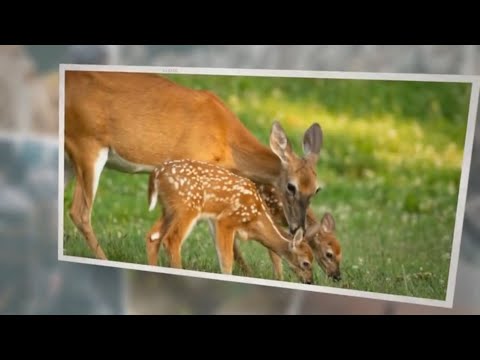
Deer chow down on a wide mix of plants, and their favorites change with the seasons. They browse woody plants and tender leaves, gather nuts like acorns and chestnuts, pick fruits and berries, and graze on grasses, clover, and forbs.
Browse: Woody Plants and Tender Leaves
Deer count on browse—twigs, buds, and leaves from shrubs and young trees—for a big chunk of their food. You’ll spot them eating oak leaves, willow shoots, maple saplings, dogwood, and ash.
In winter, when green plants get scarce, deer strip bark and chew small branches. In gardens, they often go for tender leaves on hostas, roses, daylilies, and saplings.
If you’re planting, maybe skip yew, azalea, rhododendron, holly, or arborvitae in deer country. Some of these shrubs taste bitter or can be toxic, but deer still nibble the safe parts if they’re hungry.
Fresh buds and young shoots pack more protein and are easier for deer to digest than old, woody stems.
Favorite Nuts: Acorns, Chestnuts, and Beechnuts
Nuts give deer fat, protein, and calories—super important for building fat before winter and supporting fawns in the fall. White oak acorns top their list since they’re sweeter and lower in tannins compared to red oak acorns.
You’ll often find deer feeding under oak trees in autumn and early winter. Chestnuts, beechnuts, hickory nuts, and pecans also draw deer when they’re around.
Deer dig or paw through leaf litter to find buried nuts. Nut crops change year to year, and a good mast crop from oak, chestnut, or beech can pull a lot of deer into one spot.
Fruits and Berries Deer Love
Deer eat plenty of fruit when they can reach it. Apples, pears, and persimmons give them sugar and moisture in the fall.
They browse blackberries, raspberries, and elderberry bushes for ripe berries, sometimes even for the leaves. Shrubs like honeysuckle drop fruit that deer eat, too.
Fallen fruit from farms and orchards doesn’t go to waste—deer will take it. When fruit is available, you’ll often see deer hanging around berry patches and fruit trees in autumn.
Grasses, Forbs, and Weeds
In spring and summer, deer switch to green growth—grasses, clover, and forbs. You’ll catch them eating bluegrass, white clover, alfalfa, and young shoots of goldenrod and asters.
These plants give deer the protein and water they need for growth and lactation. Deer also munch on crops and garden plants like sunflowers, pumpkins, tomatoes, and some vegetable leaves.
They’ll eat pokeweed and ragweed when those plants are tender. Lawn grasses and pasture mixes offer easy grazing, especially where deer feel safe.
How Diet Changes With Seasons and Habitat

Deer change up their diet depending on what’s growing nearby and what time of year it is. They always look for the most nutritious, easy-to-digest stuff they can find.
Habitat matters, too—forest, field, or edge—each offers different plants.
Spring and Summer: Fresh Greens and High-Protein Forage
In spring and summer, deer home in on young, leafy growth. You’ll spot them eating tender forbs, new shoots, and green browse since these parts have more protein and less fiber.
Forbs like chicory, clovers, and legumes give them protein. Brassicas, turnips, and beets in food plots also attract deer if you plant them early.
If you manage land, planting mixes with legumes and brassicas can boost protein for does and fawns. In woods, deer eat the new leaves and buds of shrubs and trees.
In more open spots, they go for lush cereal rye and oats before those plants mature. Once grasses get coarse, deer usually avoid them.
Fall: Energy from Mast and Agricultural Crops
When fall hits, deer start looking for energy-rich food to build up fat for winter. Hard mast—acorns and nuts—and soft mast like berries and apples become really important.
If mast crops don’t show up, deer spend more time in fields with corn, soybeans, and pumpkins. You’ll spot deer in crop fields at dawn and dusk.
Sorghum, peas, and beans offer energy and calories, too. Hunters and land managers often plant food plots with corn or mixed cereal grains since these draw deer in fall and help them store fat for the cold months.
Winter Survival Foods and Behavior
In winter, deer lean on woody browse and whatever mast they can still find. When snow blankets the ground, they nibble twigs, buds, and evergreen leaves tucked away in thickets or along the forest’s edge.
White-tailed deer and mule deer go for more twigs. Elk and red deer grab coarse forage, but they’ll take buds if they spot them.
You’ll probably notice that deer eat mostly lower-quality forage—things like mature browse and leftover grains. They move less during winter, trying to save precious energy.
Deer feed in sheltered spots and usually bed down as close to food as they can. If you’re thinking about supplemental feeding or planting winter food plots, stick with high-calorie crops like stored brassicas, root veggies, or even standing corn, but always check your local regulations first.


