
You might catch a glimpse of some very rare deer in the UK—think white or leucistic individuals, or tiny, tucked-away herds of non-native species. The rarest deer usually have unusual colour genes (like albinism or leucism) or live in isolated groups on private land, so spotting them isn’t easy, but hey, it’s possible if you know where to look.
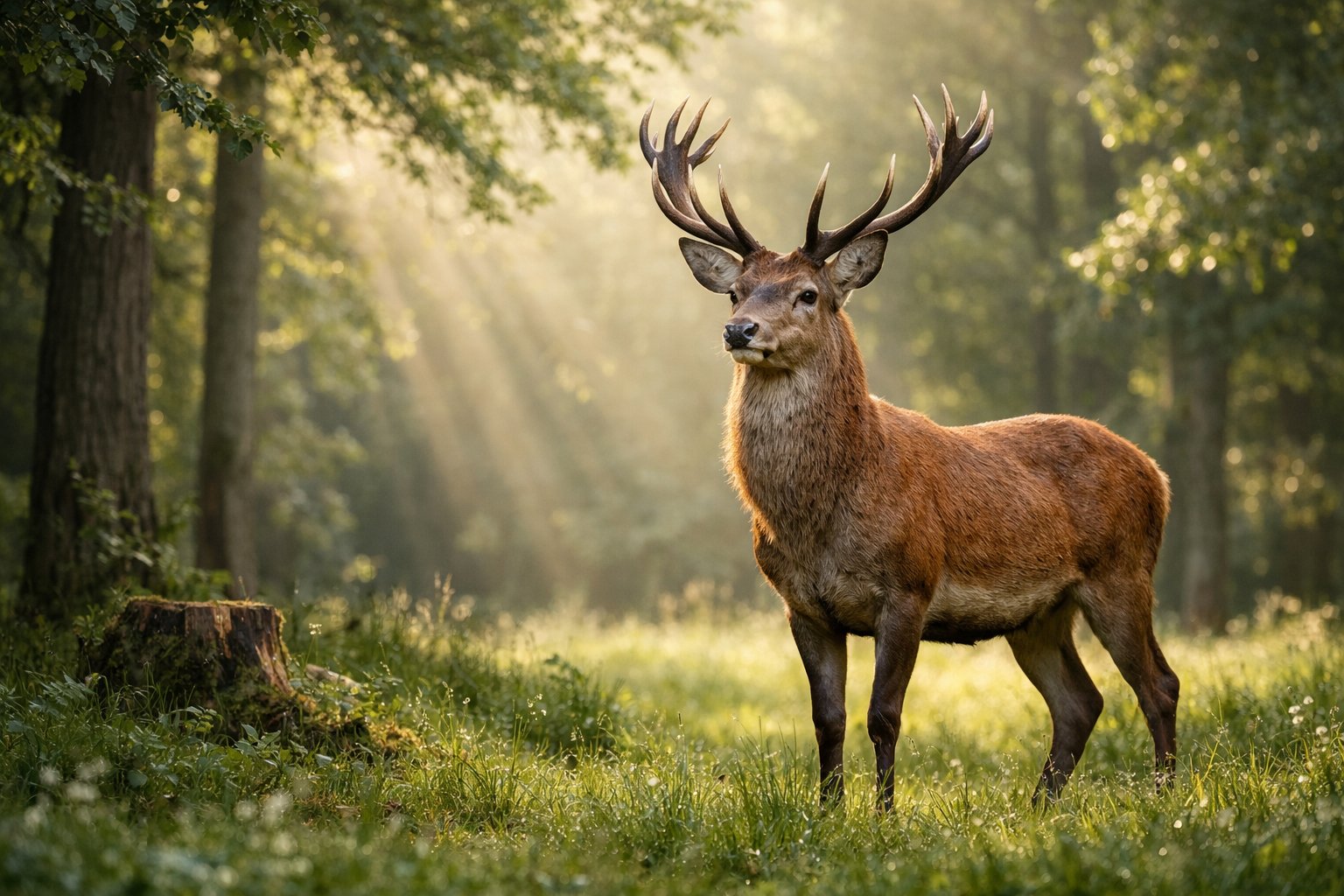
You’ll find out which species turn up wild across Britain, how to tell a true white deer from just a pale one, and where those isolated herds might hang out. If you’re hoping for a lucky encounter, keep your eyes on the edges of old deer parks and wooded parkland—they’re full of surprises.
Rare and Uncommon Deer Species in the UK

You’ll get the lowdown on a few deer that aren’t so common in Britain, where they hang out, and how to tell them apart. Each profile covers their traits, numbers, and where you might stumble across them.
Overview of Rare Deer Populations
Six wild deer species live in the UK, but honestly, some are much scarcer than others. Red and roe deer are native and pretty widespread, but non-natives like sika, Chinese water deer, and Reeves’ muntjac tend to stick to smaller or patchier areas.
Land use, conservation work, and occasional escapes from deer parks keep shaking up their numbers and locations.
Chinese water deer mostly stay in East Anglia and parts of the Midlands. Sika pop up in places like the New Forest, Lancashire, and some bits of Scotland. Reeves’ muntjac have spread quickly in southern England, but you won’t see them much in the north.
The British Deer Society keeps tabs on these trends and helps with reporting, which helps manage these populations.
Chinese Water Deer: Unique Traits and Range
Chinese water deer (Hydropotes inermis) really stand out from other British deer. Males don’t have antlers but do have those odd, tusk-like canine teeth.
They’re smaller and more delicate-looking than red or fallow deer.
If you want to see one, try East Anglia, Norfolk, or the Midlands, where they like wet meadows, reed beds, and riverbanks. They’re territorial and seem to prefer dawn or dusk for activity.
Chinese water deer often raise twins or even triplets, which keeps their numbers going locally, even if they’re rare overall. You can learn more about British deer species and reporting from the British Deer Society.
Sika Deer: Rarity and Identification
Sika deer (Cervus nippon) aren’t native, but they’ve set up shop in certain spots. You might find them in the New Forest, Dorset, Lancashire, or some Scottish woods.
They love dense cover and the edges of woodlands.
Sika look similar in size to red deer, but their coats change—spotted in summer, darker in winter. Males grow antlers and often let out a weird, high-pitched call during the rut.
Hybridisation with red deer makes things confusing, especially in places like Kintyre and some uplands. If you think you’ve seen a hybrid, local wildlife groups or the British Deer Society can help with reporting and advice.
Reeves’ Muntjac: Distinctive Features
Reeves’ muntjac (Muntiacus reevesi) are small—think dog-sized—with a hunched look. Males have short antlers and visible tusks, and both sexes bark if startled.
Their coats usually stay reddish-brown all year.
You’ll mostly spot muntjac in southern England, often near gardens, small woods, and parkland. They breed all year and can have a fawn every seven months, so they spread fast.
They’re shy and small, so you’ll probably notice scrapes, bark marks on low branches, or sudden rustling in thick undergrowth before you see the deer themselves.
Distribution Hotspots for Rare Deer
If you’re hoping to find rare deer, knowing where to look helps a lot. Chinese water deer stick to reed beds and river valleys in East Anglia and the Midlands.
Sika herds show up in the New Forest, Dorset, parts of Lancashire, and Scotland, mostly in woods and on moor edges.
Reeves’ muntjac are all over southern England, even on the edges of cities and in private estates. Red and roe deer are still common in most places, so to spot the rare ones, check for size, tusks, antler shape, and habitat.
For more regional info or if you want to report a sighting, the British Deer Society and local wildlife groups are your best bet.
How to Identify and Spot UK Deer

You’ll want to check coat colour, body size, antlers, and where the deer are feeding or hiding. Try watching at dawn or dusk, listen for calls, and scan woodland edges, moors, and open rides for any movement.
Physical Markings and Antler Differences
Start with size. Red deer (Cervus elaphus) are the biggest—stags can stand taller than a metre at the shoulder. Muntjac are tiny, about the size of a dog.
Roe deer (Capreolus capreolus) are compact, with a white patch on their rump and a short muzzle. Fallow deer (Dama dama) often have spots and a long tail with a dark stripe.
Antlers can help you out. Red stags have big, branched antlers with lots of tines. Roe bucks have short, upright antlers with just a few points. Fallow bucks grow palmate (flattened) antlers.
Chinese water deer don’t have antlers, but you’ll notice their tusks. Hinds (females) usually don’t have antlers—if you spot antlers, you’re looking at a male.
Here’s a quick checklist for ID:
- Coat colour and spots
- Rump patch shape and colour
- Antler shape and number of points
- Size compared to trees or fences
Keep binoculars handy. Snap a photo from a distance if you can—it helps with checking details later.
Habitats and Best Locations
Different deer like different places. Red deer love the Scottish Highlands, moors, and big forests. You’ll see them on Exmoor, in the Lake District, and the New Forest too.
Roe deer prefer woodland edges, hedgerows, and farmland across England, Wales, and Ireland. Fallow deer live in parks, broadleaf woods, and fields near towns.
Muntjac hide in thick undergrowth and suburban woods. Chinese water deer favour reedbeds, river valleys, and fenland in the east. Sika often share space with red deer, especially in some parts of Scotland and on Poole Harbour’s islands.
Try these spots:
- Woodland rides and clearings for roe and muntjac
- Open hills and glens for red deer
- Parkland and estate woods for fallow deer
Always respect land access rules. Stick to quiet paths and use natural cover—no one wants to spook the deer before you get a good look.
Seasonal Behaviours and the Deer Rut
The rut totally shakes up how deer behave and where you might catch a glimpse of them.
Red deer get into the rut in autumn, usually September to October. Stags roar, fight, and put on a show across the moorlands and hills. You’ll often see stags rounding up hinds and fiercely guarding their harems, especially around dawn or dusk.
Roe deer, on the other hand, rut in July and August. Bucks turn territorial and sometimes chase their rivals along woodland paths.
Fallow deer kick off their rut in October and November. Males bark loudly and stand their ground in open parkland, sometimes getting into pretty intense fights.
Muntjac and Chinese water deer don’t put on such a dramatic display, but you’ll notice they get noisier and easier to spot when they’re breeding.
During rut season, you’ll notice a few things:
- Deer move around more at sunrise and sunset.
- Adult males—stags and bucks—show off their antlers in open spots.
- It’s best not to interrupt these displays. Give them space so you don’t stress them out.
Listen out for their calls. Keep an eye out for tracks, droppings, and patches of scraped ground—these usually mark their territories.
These little clues can help you find deer without getting too close for comfort.


