
You might spot deer grazing in a park and think they’re pretty harmless. But once their numbers go up, they can really damage woodlands, munch through crops, and even cause road accidents. That’s where the whole debate about calling them “vermin” kicks off.
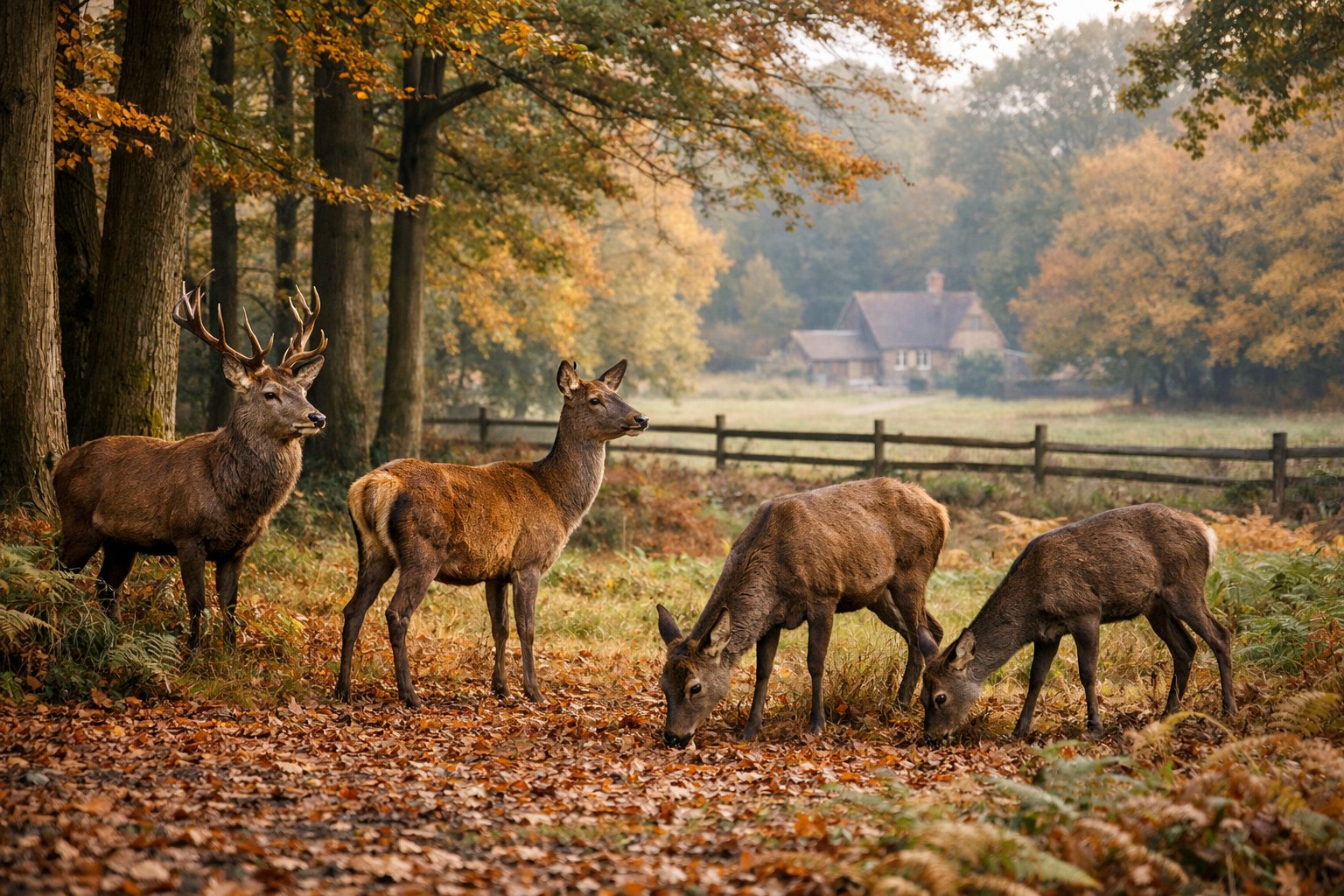
Deer aren’t legally labeled as vermin in the UK, but plenty of experts warn that if we don’t manage their growing numbers, they can cause real problems. Let’s dig into how laws, science, and local experiences shape this issue—and what actually works when it comes to managing deer.
Curious about how population trends, ecosystem damage, and the rules all play into whether deer feel like pests in your area? Stick around.
Are Deer Classified as Vermin in the UK?

People treat deer very differently from animals we usually call vermin. It’s worth knowing what “vermin” even means, how UK law handles deer, and why deer don’t get lumped in with rats, rabbits, or grey squirrels.
Definition of Vermin and Pest Species
Vermin usually means animals that damage property, spread disease, or hurt crops and livestock. You’ll often hear about brown rats, black rats, rabbits, and cockroaches. The law lets people control these species with very few restrictions since they’re seen as clear risks to health or the economy.
A “pest species” might be native or not. Some birds—think pigeons or Canada geese—and mammals like mink or grey squirrels get treated as pests in certain places. The main idea? If the animal causes harm and needs broad control, it can get a vermin label, no matter if it’s wild or domesticated.
Legal Status of Deer Under UK Law
In England and Wales, the Deer Act 1991 sets out rules for when, how, and with what you can take deer. Scotland has the Deer (Scotland) Act 1996, which is pretty similar.
Unlike rats or cockroaches, deer don’t fall under standard vermin laws. The Wildlife and Countryside Act 1981 and the Hunting Act 2004 also cover how we handle wild animals, banning cruel or random methods. Some deer, like muntjac, show up as invasive on certain lists, but they still have legal protections and must be managed humanely.
How Deer Compare to Traditional Vermin
Deer, being large wild mammals, can mess with habitats and forestry by browsing. They’ll harm young trees and ground plants, but it’s not the same as rats or cockroaches contaminating food or spreading disease.
When people deal with deer impacts, they usually need coordinated land-management plans instead of quick extermination. Traditional vermin controls let folks use baits, traps, or poisons with hardly any limits. With deer, you have to follow closed seasons, firearm rules, and welfare obligations under the Deer Act. Rabbits might get controlled more freely since they eat up farmland, but deer require licensed, targeted management to protect both their welfare and the habitats they use.
Public Perception Versus Scientific View
Public opinion really varies. Some folks call deer “vermin” when their gardens or trees take a hit. Others, especially conservationists, see deer as native or naturalised wildlife that play important roles in the ecosystem.
You’ll hear strong opinions, especially when deer numbers rise near towns or farmland. Scientists and groups like the British Deer Society push for evidence-based management. They point out deer can hurt woodland regeneration, but also help ecosystems in some ways.
The best approach? Take it case by case: monitor locally, follow the law, and go for humane, targeted measures instead of blanket vermin-style control.
If you want more info, check out Forestry Commission guidance and resources from the British Deer Society. For a clear argument against calling deer pests, see the British Deer Society’s explanation here: Why deer should not be labelled as pests.
Deer Populations, Ecosystem Impact, and Management
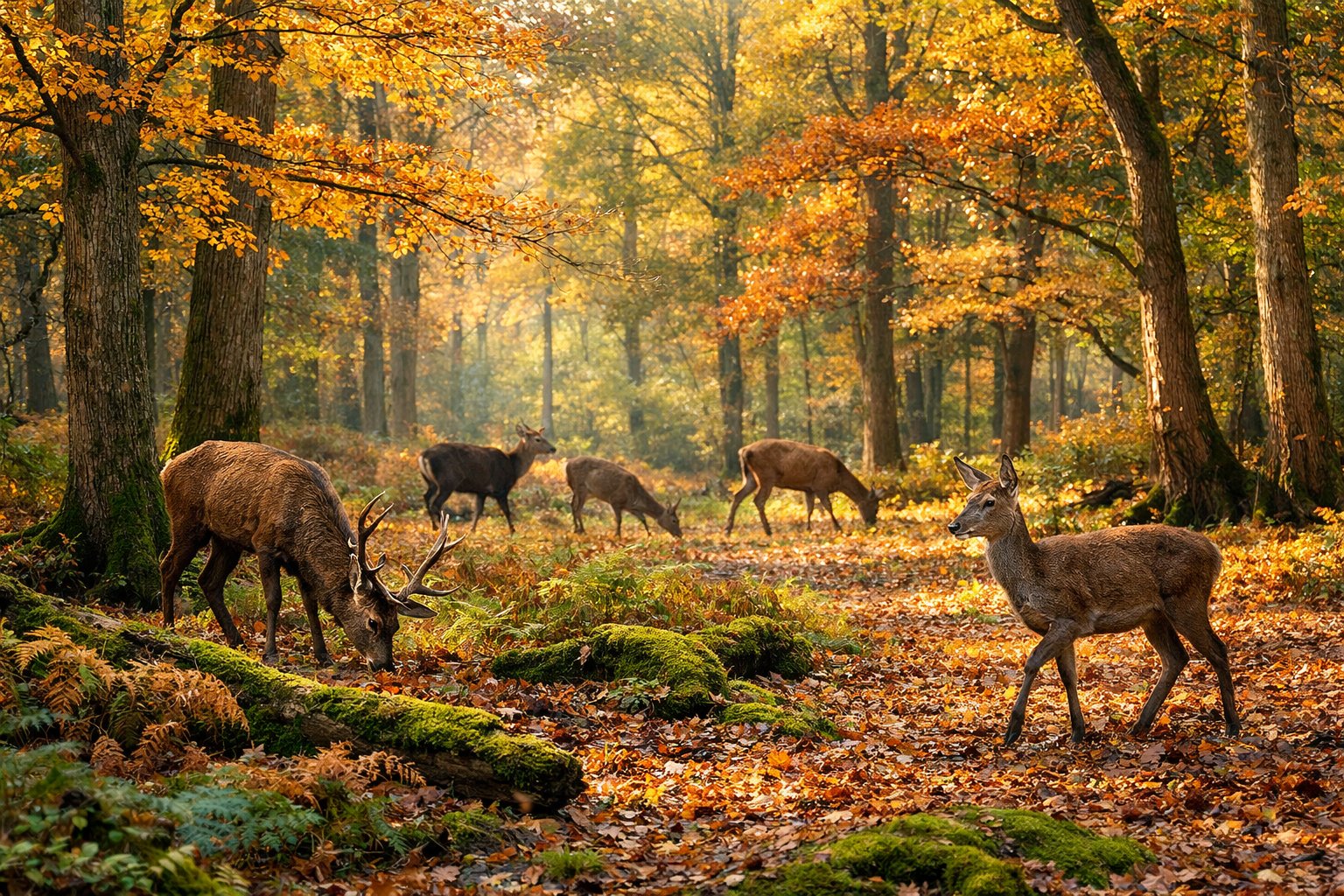
Deer numbers have gone up in a lot of the UK, and you’ll see their effects in woods, on farms, and even on the roads. Let’s look at which species are common, how they change habitats and crops, what management tools people use, and what the arguments are around culling and regulation.
Growth of Deer in the UK and Species Overview
You’ll find six wild deer species across Britain: roe deer, red deer, fallow deer, muntjac, Chinese water deer, and sika in some parts of Scotland and England.
Roe and fallow show up almost everywhere, while red deer mostly stick to uplands and big estates. Muntjac and Chinese water deer are spreading in lowland and suburban areas—they breed year-round and can live in small woods or even gardens.
Deer populations have gone up since natural predators disappeared and land use changed. Suburban edges and less rural hunting made it easier for deer to spread. The British Deer Society keeps an eye on trends and suggests local counts to figure out when numbers might start causing problems.
Impact on Woodland, Biodiversity, and Agriculture
Deer eat young trees and ground plants, which slows down woodland recovery and reduces plant diversity. When roe or muntjac munch on buds and seedlings, fewer tree species survive, so birds and insects lose out on food and shelter.
Heavy browsing lets bracken and grasses take over, pushing out more interesting ground plants. On farms, deer damage crops and orchards, and once in a while, they can spread disease to livestock. Collisions with deer put drivers at risk too.
Climate change might shift when plants grow and even where deer can thrive, which could mean new impacts in different areas. It’s smart to keep an eye on local vegetation and report any damage to land managers.
Deer Management Strategies and Culling Controversy
Managers use fences, habitat tweaks, experimental contraception, deterrents, and culling to reduce deer impact. Culling targets numbers, age, or sex balance to help woods and crops recover.
Well-planned culls can cut down on over-browsing and lower the risk of deer-vehicle crashes, especially when done across a whole landscape. Culling is a hot topic, though. Some people see it as necessary for conservation, while others hate the idea on ethical grounds.
There’s also debate about who should take action—private landowners, government, or groups like the British Deer Society—and how to keep things humane and transparent. Expect local management plans that try to balance what works with what’s fair and legal.
Balancing Conservation, Regulation, and Public Safety
You need clear rules, but honestly, local cooperation matters just as much if you want management to work. Regulations handle firearms, licensing, and animal welfare.
Conservation bodies and landowners have to work together across properties—deer don’t care about boundaries. National guidance and local deer management groups set targets and map out actions, though sometimes it feels like a moving target.
Public safety ramps up the urgency. If you want to reduce road collisions, you need night-time measures, fencing, and focused population control near busy roads.
Conservation goals—like keeping woodland regeneration and biodiversity on track—have to balance with farming needs. When you engage communities, it builds trust and leads to more practical plans, which people can actually support or, if needed, question based on real local evidence and published monitoring.


