
Deer trust their noses more than anything else when they’re out foraging or watching for danger. If you’re hoping to keep deer out of your garden, go for scents they can’t stand—think rotten eggs, garlic, and a handful of pungent herbs. Those seem to work best. Here’s a quick look at which smells actually help and how you can use them safely without ruining your plants.
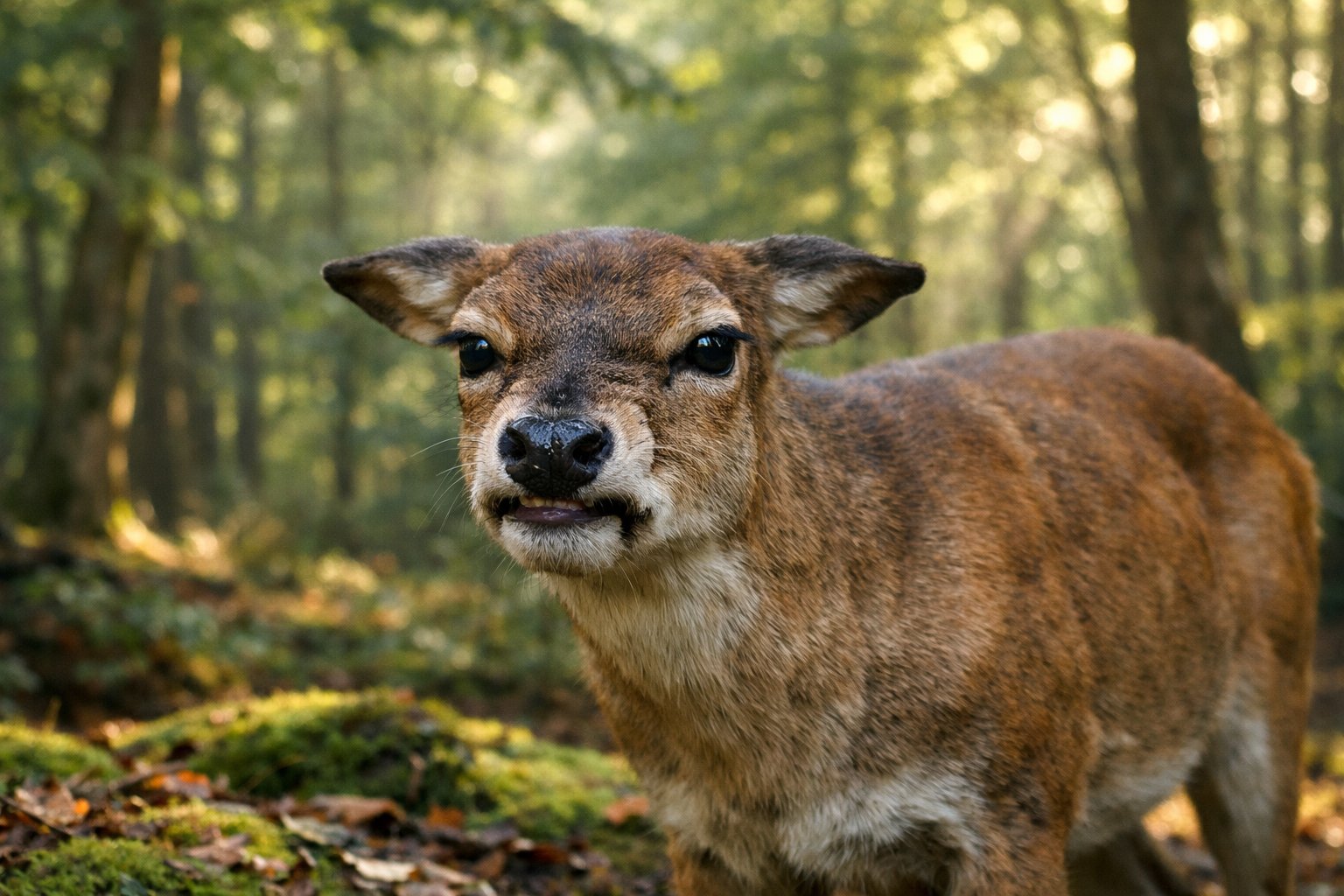
You’ll find out which store-bought repellents rely on these odors and get a few simple DIY tricks you can try today. Pick the method that feels right for your yard and your own style.
What Sense Do Deer Hate Most?

Deer depend on their sense of smell and will bolt from an area if they catch a whiff of something strong or weird. Let’s dig into how deer use scent, why their noses are absurdly sensitive, and which odors they just can’t tolerate.
How Deer Use Their Sense of Smell
Deer sniff out food, check for predators, and communicate with each other, all through scent. If a deer catches a new or intense smell, you’ll probably see it pause and sniff the air.
They’ll often change their grazing spots if they pick up human, predator, or rotten food smells nearby.
You can use this to your advantage and protect your garden. Motion-activated sprays, human-scented deterrents, and predator urine freak deer out because they read those smells as a threat.
Scents that cover up your plants’ natural odors also help by making your garden less tempting.
Olfactory Receptors and Deer Sensitivity
Deer have way more olfactory receptors than we do. They can pick up faint or weird smells you’d never notice.
Sometimes they catch a scent from 100 yards away, depending on the wind and what’s in the way.
Their noses react to both natural and man-made chemicals. Sulfur or egg-based smells usually make them back off.
Predator-related compounds do the same. Weather matters too—rain and humidity spread scents further, while wind can mess with where the smell goes.
Scents Deer Hate and Why
Deer usually steer clear of sulfurous, spicy, and animal-based odors. Some of the top deterrents are putrescent egg, garlic, hot pepper, and predator urine.
These smells either scream “danger” or just taste and smell gross to deer.
You can spray repellents or use treated baits near your plants. Mix up the scents and switch things around so deer don’t get used to one smell.
For more ideas and real-world tips, check out this guide on scents that repel deer (https://pestpointers.com/scents-that-deer-hate-and-how-to-use-them).
Scents and Products That Repel Deer

You can try strong food-based odors, predator scents, or commercial sprays to keep deer away. Put repellents near your plants, reapply after rain, and mix up your methods so deer don’t adapt.
Garlic and Other Natural Barriers
Garlic and sulfur-based stuff like putrescent egg solids make plants smell awful to deer. Spray a diluted garlic or egg mix on leaves every couple of weeks, and definitely after a big rain.
For small beds, garlic powder with water and a bit of liquid soap does the trick. If you want something that hangs on longer, go with commercial sulfur sprays.
Planting deer-resistant plants works too. Lavender, rosemary, sage, chives, and marigolds have strong oils or weird textures that deer just don’t like.
Space these plants around your borders or next to your most vulnerable shrubs. Some of these herbs attract pollinators, so plant them where you want both protection and a few extra blooms.
Predator Urine and Fear-Based Deterrents
Predator urine—like coyote or fox—freaks deer out because it signals danger. Dab it on stakes or little sachets around your garden perimeter every week or two.
Move the spots around to mimic a predator passing through and keep deer guessing.
Predator urine works, but sometimes it brings in other critters. Keep it away from where your pets play.
Pair urine with motion-activated sprinklers for a bigger punch. If you buy the stuff, follow the safety instructions and keep it sealed up when you’re not using it.
Hot Peppers, Mint, and Strong Herbs
Capsaicin from hot peppers irritates deer noses and mouths. Make a spray with hot pepper flakes or grab a commercial capsaicin product, then coat your plant leaves.
Remember to reapply after rain and wear gloves when mixing. These sprays also bug small mammals.
Mint—especially peppermint and spearmint—and strong herbs like lavender and rosemary work thanks to their powerful oils. Use crushed leaves, plant rows, or dilute a little essential oil in water for spot sprays.
Be careful, though: essential oils can harm some plants if you go too heavy. Try it on a small area first and see how it goes.
Commercial and Homemade Deer Repellents
You’ll find commercial deer repellents as sprays, granules, and even little scent stations. Most people get the best results with products that use capsaicin, putrescent egg solids, or sulfur—those tend to stick around longer.
Always check the label for how often to use them and whether they’re safe near anything you plan to eat.
Plenty of folks try homemade mixes with eggs, garlic, hot pepper, or soap. They’re definitely cheaper, but honestly, they don’t last long and you’ll need to reapply them a lot.
If you really want to keep deer away, try combining repellents with physical barriers like fencing, netting, or those motion-activated sprinklers that startle anything that moves. Switching up your methods helps too; deer seem to catch on if you stick with just one thing.
Want more details on recipes or which products actually work? Check out some practical guides on scents that repel deer.


