
You might picture lions as distant kings of the savanna, but honestly, it’s not hard to see why they eat deer. Deer are right there, they’re manageable, and they pack a good calorie punch.
Lions hunt deer when their habitats overlap or when easier prey is tough to find. Deer give lions a reliable meal without the risk of tackling something bigger and nastier.

Let’s get into how lions hunt, how their teamwork pays off, and why deer are such a practical target. I’ll throw in some examples of where and when lions go after deer, and how those choices ripple through the grasslands.
Why Do Lions Eat Deer?

Lions eat deer because deer mean meat, calories, and an easier meal compared to bigger, more dangerous animals. Deer just fit into lion hunting habits and the food web wherever lions live.
Nutritional Benefits of Deer for Lions
Deer are medium-sized ungulates and they give a lot of usable meat in a single hunt. Lions get muscle, organs, and fat, which is exactly what they need as obligate carnivores.
Organs like liver and heart are packed with vitamins and minerals that lions can’t get from plants. That’s just how it is.
When hunting, lions look for efficient energy gain. Deer usually hit the sweet spot in size for a pride or lone male—enough food, not too much effort.
Eating deer helps lions keep their weight up, support reproduction, and fuel those wild chases.
Deer as Prey in Lion Habitats
Deer species like chital in India or similar ungulates in Africa often share ground with lions. Grasslands, woodlands, forest edges—deer and lions both use these zones.
That overlap means lions and deer bump into each other a lot, so deer become convenient targets.
Deer stick together in groups and use the same trails and water holes. Lions notice these habits and use ambush tactics to their advantage.
You’ll see lionesses using stealth and teamwork, especially when deer are fairly common.
Deer Versus Other Lion Prey
Deer are smaller and less dangerous than zebras or buffalo. Taking down a buffalo or an adult wildebeest can end badly for a lion.
Deer just don’t pose as much risk, but they still deliver a solid meal.
Lions go for bigger prey when they can because one big kill feeds everyone. When those animals aren’t around, deer and antelope become main targets.
Deer carcasses also attract fewer hyenas and scavengers right away, so lions get more time to eat before losing their meal.
Factors Influencing Lion Diet Choices
Lions pick food based on what’s around, the habitat, pride size, and the season. If wildebeest and zebras are plentiful, lions will take those.
In mixed or patchy habitats, or when big herds vanish, deer-like ungulates matter more.
Human activity and changes in the landscape push lions to shift their diets. Sometimes they even go after livestock if wild prey runs low.
Hunting success, risk of injury, and energy costs all play into each hunt. Deer often hit that sweet spot between reward and danger.
- Key prey types: wildebeest, zebras, buffalo, antelopes, chital (depends on region)
- Lion traits that matter: obligate carnivore, apex predator, works well in a team
How Lions Hunt and Interact with Deer
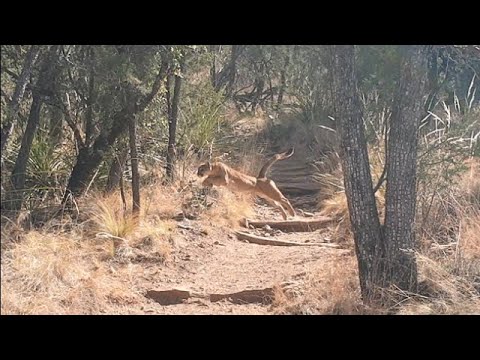
Lions go after deer when they’re nearby, vulnerable, or just everywhere. You’ll notice this in how they stalk, work together, scavenge, and even change how deer behave in the area.
Lion Hunting Techniques for Deer
Lions usually hunt deer by sneaking up and then sprinting for a short burst. They’ll creep through tall grass or hug tree lines, getting as close as 20–30 meters before making a move.
They target the neck or throat to suffocate the deer fast, which cuts down on injury and wasted energy.
Ambush is everything. A lion will time its run to block escape routes and use those heavy forelimbs to trip the deer.
Sometimes a single lion goes after a lone deer at night. Other times, a team will coordinate to take on a group.
Hunters pick off young, sick, or old deer because they’re easier to catch and cost less energy.
Role of the Pride in Hunts
Lionesses do most of the hunting, and they work together to surround and separate a deer from the group.
You’ll see some lions drive the herd while others wait in ambush. That division of labor makes hunts more successful than solo efforts.
Male lions join in when the prey is big or risky, and then they defend the kill. When males show up, they use their size and muscle to keep scavengers and rival lions away.
How the pride is structured also shapes how many deer the territory can support.
Opportunistic Feeding and Scavenging
Lions don’t turn down free food. They’ll scavenge deer killed by hyenas, leopards, or even cars.
Scavenging saves energy, which is a big deal during tough seasons. Sometimes, scavenging makes up a big chunk of their diet.
Lions adapt to local deer numbers. If deer wander into reserves or farms, lions will take advantage.
You might even see lions steal kills from other predators, flexing their size and numbers to scare them off.
Ecological Impact on Deer Populations
Lions prey on deer, and that really shapes deer numbers and how they act. You’ll probably notice deer steering clear of open areas at dawn and dusk, since that’s when lions usually hunt.
Deer end up changing where they graze, which then shifts how plants grow in those spots. This kind of risk-driven movement can actually help keep local vegetation in check.
If lion populations fall, deer usually multiply, and that can lead to overgrazing. The habitat starts to feel the strain.
So, when conservation teams keep lion numbers healthy, they help keep deer from overrunning the place. That balance between predator and prey? It’s pretty crucial for supporting biodiversity up and down the food chain.


