
You can’t pin down just one favorite food for every deer—they usually go for tender young leaves, fruits, and nuts, but honestly, their tastes shift as the seasons change.

You’ll spot deer munching on clover, acorns, apples, and new shoots when those are around. Why do those foods top their list? Well, availability, season, and whatever’s growing nearby all play a part in what deer choose to eat.
As you read on, you’ll notice how deer switch from high-protein greens in spring to energy-loaded mast in fall. That shift really changes where and when you’ll actually see them.
What Is a Deer’s Favorite Thing?
Deer eat all sorts of plant foods, but some give them more energy and nutrients than others. You’ll catch them picking foods that help them build fat for winter, grow antlers, or load up young fawns with protein.
Acorns: The Ultimate Deer Treat
Acorns are tough to beat—they’re loaded with fat and carbs. Deer scoop up acorns from oak trees in fall and early winter. White oak acorns seem to be the favorites since they’re not as bitter as red oak ones.
These nuts help deer stash energy for the cold months. Does also rely on them to recover after giving birth. You’ll often see deer hanging around oak stands or under scattered oaks, waiting for nuts to drop.
If you’re hoping to attract deer, planting or protecting oak trees can help a lot. When you spot heavy feeding under the trees, you know deer depend on the mast crop that year. But acorn crops change every year, so deer just switch to something else when acorns run out.
Fruits Deer Love Most
Deer love fruits for a quick sugar boost. You’ll see them snatch apples and pears from low branches or eat whatever fruit falls to the ground. Persimmons are a top pick in fall—deer seem to find them right away when they ripen.
In summer, berries like raspberries and blackberries pull deer in, too. These fruits give fast energy and, let’s be honest, probably taste pretty good to them. Deer often feed where shrubs put out loads of berries, so small orchards, hedgerows, and even fence lines can become busy spots.
After storms or strong winds, deer browse the forest floor for fallen fruit. If you want to keep deer out of certain areas, try not to plant fruit trees there—they’ll keep coming back as long as there’s fruit.
Favorite Greens and Forbs
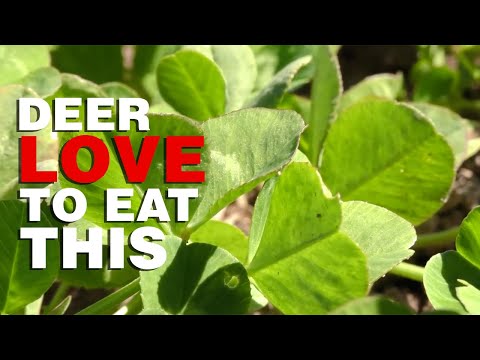
Tender greens and forbs serve up protein and easy-to-digest nutrients, especially in spring and summer. Deer eat clover and alfalfa in fields and food plots. Clover gets grazed so close to the ground, it’s almost funny.
You’ll see deer browsing young shoots, leaves, and wildflowers along field edges or in woodland openings. They eat grasses, too, especially at the start of the season, but if there are forbs, they’ll go for those first.
If you plant a mix of clover and forbs in a plot, you’ll help deer get what they need during growth spurts. Just avoid mowing when deer are using those plants the most.
Irresistible Agricultural Crops
Crops can be the most concentrated food source for deer. Corn draws them in during fall and winter for its carbs. Soybeans and alfalfa come into play for protein and calories while they’re growing.
Farmers sometimes lose part of their fields to hungry deer once crops mature. Deer like to feed in standing crops at dawn and dusk, especially if there’s cover nearby. If you manage land or hunt, planting a strip of corn or a soybean border can help focus deer movement.
When crops get harvested, deer move right back to eating native mast, fruits, or woody browse.
How Deer’s Favorite Foods Change by Season

Deer change up their diet based on what’s around and what their bodies need. In spring, they go for protein-packed new growth. Summer brings leafy greens and fruits. Fall is all about nuts and energy, and winter pushes them to eat woody plants and buds.
Spring: Tender Shoots and New Growth
In spring, deer eat young leaves, forbs, and tender shoots for protein. That helps with antler growth and nursing. You’ll find them in places with fresh saplings, shrubs, wildflowers, and clover.
They really like new maple leaves, dogwood shoots, and broad-leafed herbs. Mushrooms and fungi pop up, too, adding minerals and protein when green plants are everywhere.
You might notice deer munching on hostas and daylilies in yards. They’ll also nibble the soft tips of twigs and buds on shrubs. This spring feeding helps them gain back weight and rebuild after winter.
Summer: Lush Greens, Berries, and Crops
During summer, deer focus on high-moisture, high-protein foods like lush grasses, forbs, and leafy browse. They’ll eat sunflower leaves, wildflowers, clover, and even raid gardens if they can.
Soft mast like wild berries and young fruits matter for quick energy. Deer also graze on cereal grains—oats, wheat, and similar crops—especially at field edges.
Shrubs and saplings still get browsed for leaves and buds. If you’ve got sunflowers or fruit-bearing plants, expect deer to show up often, since these foods are calorie-rich and easy to digest when it’s warm.
Fall: Mast, Nuts, and Fat-Building Foods
In fall, deer go after hard mast to put on fat for winter. Acorns, hickory nuts, chestnuts, and beechnuts are favorites because they’re packed with fats and carbs. Deer move into oak stands and hickory-lined edges to feed.
Soft mast—apples, persimmons, grapes—offers sugars for quick energy. Deer time their feeding to take advantage of nut crops and fallen fruit.
You’ll spot them moving between open fields with cereal grains and wooded areas where nuts have dropped. This is when deer really bulk up.
Winter: Browse, Buds, and Survival Foraging
In winter, your deer turn to woody browse—twigs, buds, and evergreen leaves—once snow buries the softer plants.
They’ll munch on the buds and bark of saplings and shrubs. Dogwood and young maple stems seem to be favorites.
Since food gets scarce, deer try to save energy. They’ll go for high-protein buds and any hard mast they managed to stash or stumble upon.
If they find mushrooms, they’ll eat those too, but honestly, that’s not common.
You’ll probably see them stripping bark from smaller trees or nibbling on evergreen foliage.
Watch for extra movement toward sheltered spots, where shrubs and saplings offer both food and a bit of cover.


