
So, you’re wondering if deer meat is actually better than beef for your health, your taste buds, and maybe even your wallet. If you want leaner protein with more iron and less saturated fat, venison often wins over beef—but let’s be real, taste, availability, and the way you cook it can totally change your decision.
We’ll dig into the nutrition facts, talk about how venison and beef impact the environment, and share the best ways to cook venison so it stays juicy (because nobody likes dry meat).
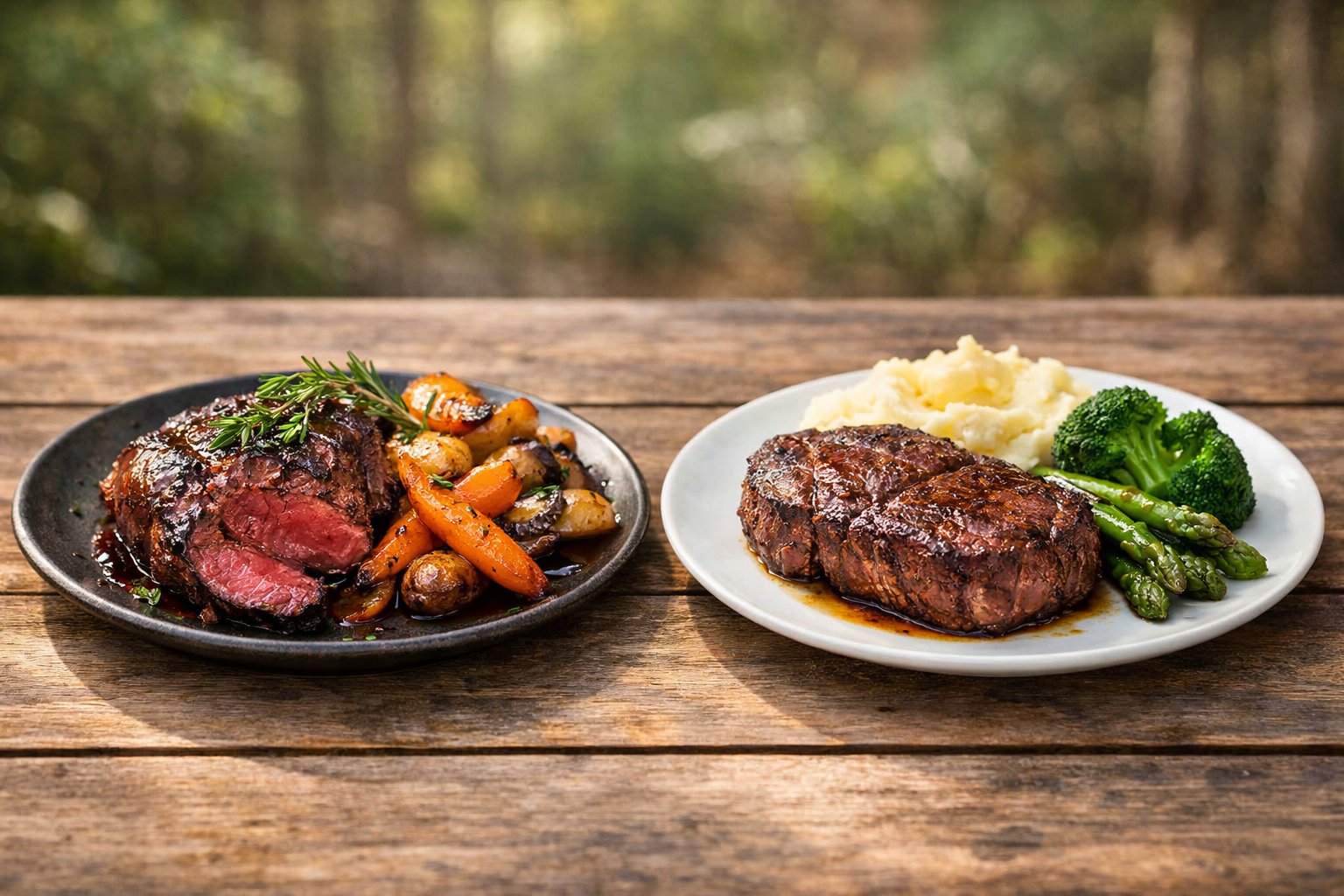
You’ll get some practical comparisons to help you choose meat for health, flavor, or sustainability. Expect real numbers, easy cooking tips, and advice on where to find good meat, so you can pick what fits your diet and your values.
Nutritional Value and Health Benefits

Deer meat gives you lean protein, fewer calories, and less saturated fat than a lot of beef cuts. You’ll get similar amounts of important vitamins and minerals like iron and B12, but the exact numbers depend on the cut and how the animal lived.
Protein Content and Amino Acids
Venison offers high-quality protein. A typical 3‑ounce (85 g) cooked serving of deer meat usually gives you about 22–26 grams of protein.
That’s about the same—or even a little more—than many beef cuts by weight. You get all the essential amino acids you need for muscle repair and immune health.
If you want to build or keep muscle, venison packs in dense protein with less fat per gram. Ground venison and lean steaks have amino acid profiles that look a lot like lean beef, so you won’t miss out on anything by swapping.
People counting protein per calorie will notice deer meat usually has a better protein-to-calorie ratio.
Fat Levels and Types
Deer meat is much leaner than most beef cuts. Lean venison can have about 3–6 grams of total fat per 3‑ounce serving.
Most beef portions? You’re looking at 8–12 grams or even more. That means fewer calories and less saturated fat each time you eat venison.
The type of fat matters, too. Beef usually has more saturated fat, which can raise LDL cholesterol if you eat too much.
Venison tends to have more monounsaturated and polyunsaturated fats, and sometimes more omega‑3s—especially if the deer ate a wild, pasture diet. If you go for processed or fatty beef cuts, the gap shrinks, so pick lean cuts for a healthier choice either way.
Micronutrient Comparison
Both meats give you important micronutrients, but the details change with each cut and what the animal ate. Venison is packed with heme iron, sometimes matching or beating beef per ounce.
That’s great for oxygen transport and fighting off iron-deficiency anemia. Beef is also a solid iron source, and some cuts have even more absorbable iron.
Both venison and beef give you plenty of vitamin B12 and other B vitamins (like B1, B2, B6, and B5). You’ll get good amounts of zinc, phosphorus, selenium, and copper from deer meat.
Beef can have more of certain minerals, depending on the cut and fat content. If you want to get picky, it’s best to compare specific cuts instead of just saying “beef” or “venison.”
Calories and Cholesterol
Venison usually comes in with fewer calories than similar beef portions. For example, a 3‑ounce cooked serving of venison might have around 120–140 calories.
Many beef cuts? Think 160–220 calories. That makes venison a smart pick if you’re trying to cut calories but still want a protein punch.
Cholesterol doesn’t vary as wildly between the two. Both have dietary cholesterol, but lean venison generally has a bit less than fattier beef.
How you cook it matters, too—frying or adding heavy sauces will bump up both calories and cholesterol. Grilling, broiling, or roasting keeps things lighter.
If you want to read more on fat and calorie differences, check out this Beef vs. Deer meat — In-Depth Nutrition Comparison.
Sustainability, Sourcing, and Culinary Differences

Deer (venison) and beef aren’t the same when it comes to their impact on land, water, and climate. You also get different options for buying or hunting, and the best ways to cook and store them aren’t always the same.
Venison usually leaves a smaller carbon footprint and has fewer antibiotics, while beef is more consistent in flavor and way easier to find at the store.
Environmental Impact and Ethical Considerations
Wild venison almost always has a much smaller greenhouse gas footprint compared to industrial beef. Deer aren’t raised in feedlots or fed grain.
Hunting helps control deer populations, which can actually protect forests and crops. Regulated harvests keep populations healthy.
Check your local hunting rules and seasons if you want to harvest deer yourself. Farmed beef uses more water, creates more manure runoff, and can pollute water from all the feed crops.
Cattle operations often use antibiotics and growth hormones, but wild game doesn’t have those. If you buy farmed venison or specialty market cuts, look at the labels for how the animals were raised and if they used antibiotics.
Ethics are personal, but for some people, responsible hunting means focusing on safety and quick, humane kills. Using as much of the animal as possible cuts down on waste.
If you worry about pesticides or contaminants, wild animals can still be exposed depending on the local environment. It’s worth learning about your area before eating the meat.
Taste and Cooking Methods
Venison is leaner than beef, and some people say it tastes “gamey.” The flavor depends on the cut and the season.
Younger deer have milder meat. For steaks, tenderloin, loin, and tenderloin roast, treat venison like a premium lean beef—cook it to medium-rare or medium, and really watch the internal temperature so it doesn’t dry out.
Grill venison steaks quickly and don’t overdo the heat. For tougher cuts and ground venison, try braising or slow-cooking, and add fat or stock to keep things moist.
If you’re making burgers or meatballs, ground venison does better with a little extra fat mixed in. Marinating helps mellow out strong flavors and adds tenderness.
Some specialty meat markets and butchers sell farmed venison and aged cuts that cook more like beef. Always match your cooking method to the cut—use high heat and short time for tender pieces, and go low-and-slow for roasts or shoulder cuts.
Food Safety and Health Concerns
Wild game brings its own food-safety risks, which aren’t quite the same as beef. In certain regions, venison can carry parasites like trichinella. If you don’t handle the meat properly, you might run into bacterial problems like E. coli.
Chronic wasting disease targets deer brains and nervous tissue. If an animal tests positive or even looks suspicious, it’s best to steer clear of eating it. Beef has its own issues—mad cow disease pops up on rare occasions, and there’s always the risk of bacteria from how it’s slaughtered or processed.
Always grab clean tools and keep raw meat cold. Field-dress game right away, use clean equipment, and cool the meat as fast as you can. That helps slow down bacteria.
Don’t guess when it comes to cooking—use a thermometer. Ground venison needs to hit 160°F (71°C). You can cook whole cuts a bit lower, but only if you know where the meat came from and understand the risk.
If you’re buying from a specialty market, go ahead and ask about disease testing. You might also want to check whether farmed animals got antibiotics or hormones.


