
Most deer stay pregnant for about 200 days—so, that’s close to six and a half or seven months. Fawns usually show up in late spring or early summer, right when food and cover are at their best.
That timing gives fawns a real shot at growing strong and making it through those early weeks.
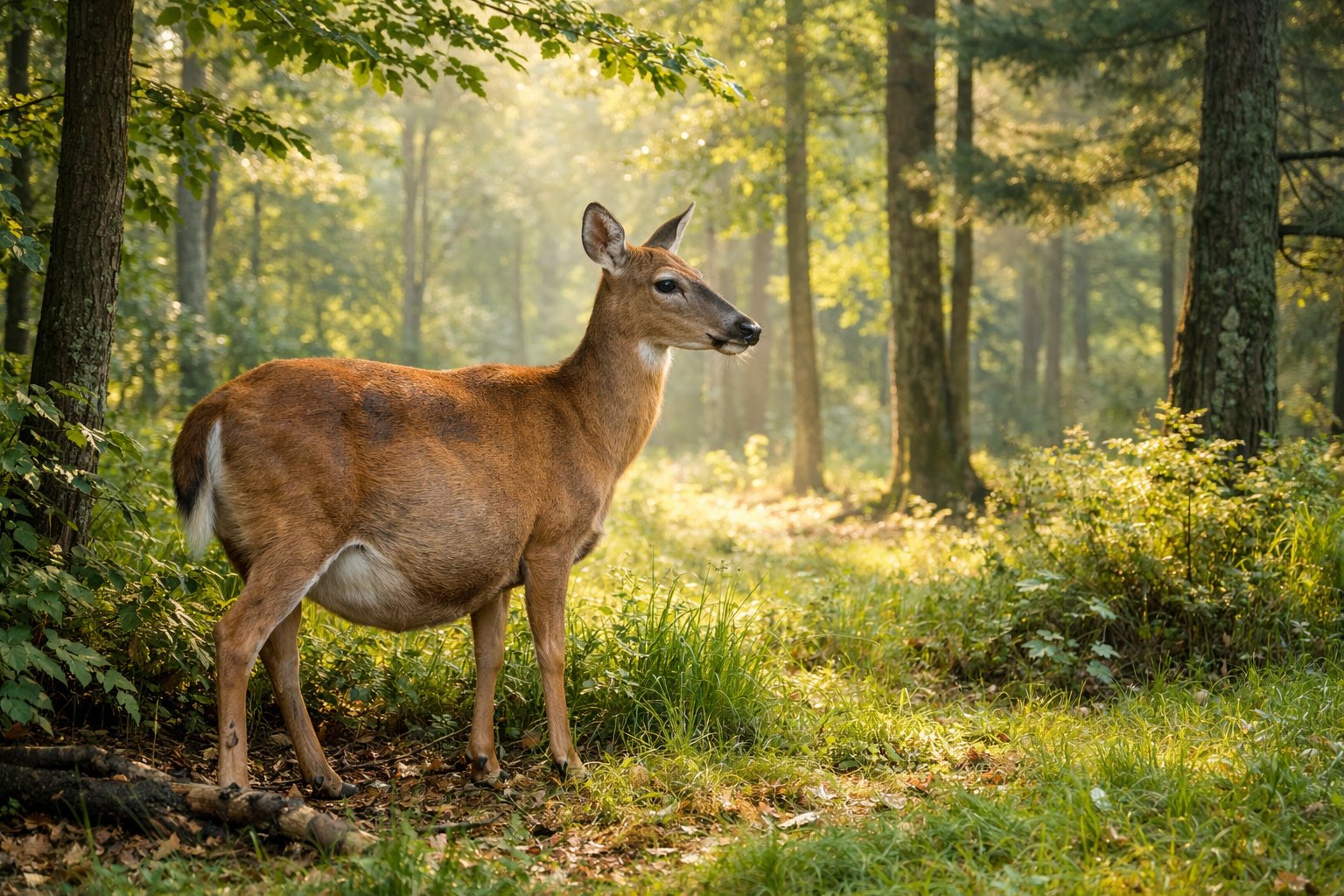
Curious why the timing matters so much? This article digs into how pregnancy length connects to the rut, when fawns actually hit the ground, and how a doe’s health can shape her young.
You’ll pick up some tips for spotting signs in the field and see how even small changes in timing can mess with fawn survival. Honestly, it’s more complicated than it looks.
Let’s get into the typical pregnancy range for common deer, when most fawns are born, and what shapes fawn development. You might start noticing patterns in your own area.
Deer Pregnancy Length and Timing
Deer pregnancies usually run about six to eight months. The exact number depends on the species and when they mate each year.
Most births land in late spring or early summer, so fawns catch milder weather and a buffet of new plants.
Gestation Periods Across Deer Species
Different deer species carry their young for different lengths of time. For North American deer, white-tailed deer and mule deer both go about 200 days.
Elk (or wapiti) stretch it out to 240–265 days, and moose usually fall somewhere between 230–250 days. Reindeer and smaller deer sit closer to 200–220 days.
Bigger deer tend to carry longer than smaller ones. White-tailed deer and reindeer often have twins, while elk and moose usually stick to one calf.
If you manage land or study herds, track local birthing windows instead of just memorizing one number. That’ll help you predict when fawns show up and what kind of habitat they’ll need.
Seasonal Breeding and the Rut
Most deer in temperate zones mate during a short fall season, known as the rut. The timing shifts a bit depending on where you are and which species you’re watching.
Across much of North America, the rut peaks from October to December. You’ll see bucks fighting, flashing antlers, and chasing does—it’s hard to miss.
Since mating happens in fall, gestation covers winter, so fawns arrive just as plants start growing again. In warmer places or managed herds, the rut might move a little earlier or later.
Watch for all that activity and scent-marking during the rut, especially if you’re hoping to spot deer or want to avoid spooking pregnant does.
Key Stages of Deer Gestation
After mating, fertilization creates a blastocyst that moves to the uterus. Some deer can actually delay things with embryonic diapause—a pause before the embryo implants—so birth lines up with good conditions.
Once implantation happens, the embryo grows into a fetus. Major organs form in the first half, then most of the weight piles on later.
As birth gets close, does look for quiet, hidden spots to give birth and stash their fawns. If you’re watching pregnant females, you’ll notice them getting more reclusive in the last couple weeks. That’s usually your sign that fawns are on the way.
Fawning Season and Fawn Development

Fawns usually show up in late spring, just as the weather warms and food gets abundant. Does time births so their newborns can grow fast and mothers have plenty to eat while nursing.
Timing and Conditions for Fawn Birth
Most white-tailed does give birth in May or June, after about 200–210 days of pregnancy. Mule deer follow a similar pattern, but species like red deer take a bit longer.
Birth timing ties directly to the rut in autumn and the length of gestation that follows. Warm temperatures, fresh spring growth, and good nutrition help does carry their pregnancies to term.
Harsh winters, poor food, or sickness can throw off timing or lower survival. Wildlife managers track rut dates and count fawns in spring to figure out when births happen.
Maternal Care and Fawn Survival
Fawns can stand and nurse within an hour of being born. Mothers hide them in tall grass or brush for a week or two, coming back several times a day to feed.
If you find a fawn alone, it’s best to leave it—mom is probably close by and will return soon. Fawn survival depends on nutrition, predators, and how much cover the habitat provides.
Twins pop up often when does are in good shape. Human activity, rough weather, and poor habitat can all lower survival rates. Hunters and wildlife managers run spring counts and work on habitat to help more fawns make it.
Factors Affecting Pregnancy Duration
Gestation length isn’t set in stone—it really depends on species, age, and health. Most deer carry their young for anywhere from 180 to 286 days, which is a pretty wide range.
White-tailed and mule deer usually fall somewhere close to 200–210 days. Roe deer, though, sometimes experience delayed implantation, which can stretch things out even longer.
A deer’s nutrition and body condition play a role too. These factors shift hormone levels and might nudge gestation a bit shorter or longer.
Stress can throw a wrench in the works as well. Predators, disease, or even losing habitat can mess with pregnancy.
If you want more details on gestation lengths and when fawns typically arrive, check out this info on deer gestation periods.


