
Ever wondered what keeps deer going, or what they’re actually after when they’re foraging? Carnivores usually don’t take down healthy adult deer; it’s almost always the sick, injured, or very young ones that get targeted. Wolves, coyotes, mountain lions, and bears are quick to spot those weaknesses and move in.
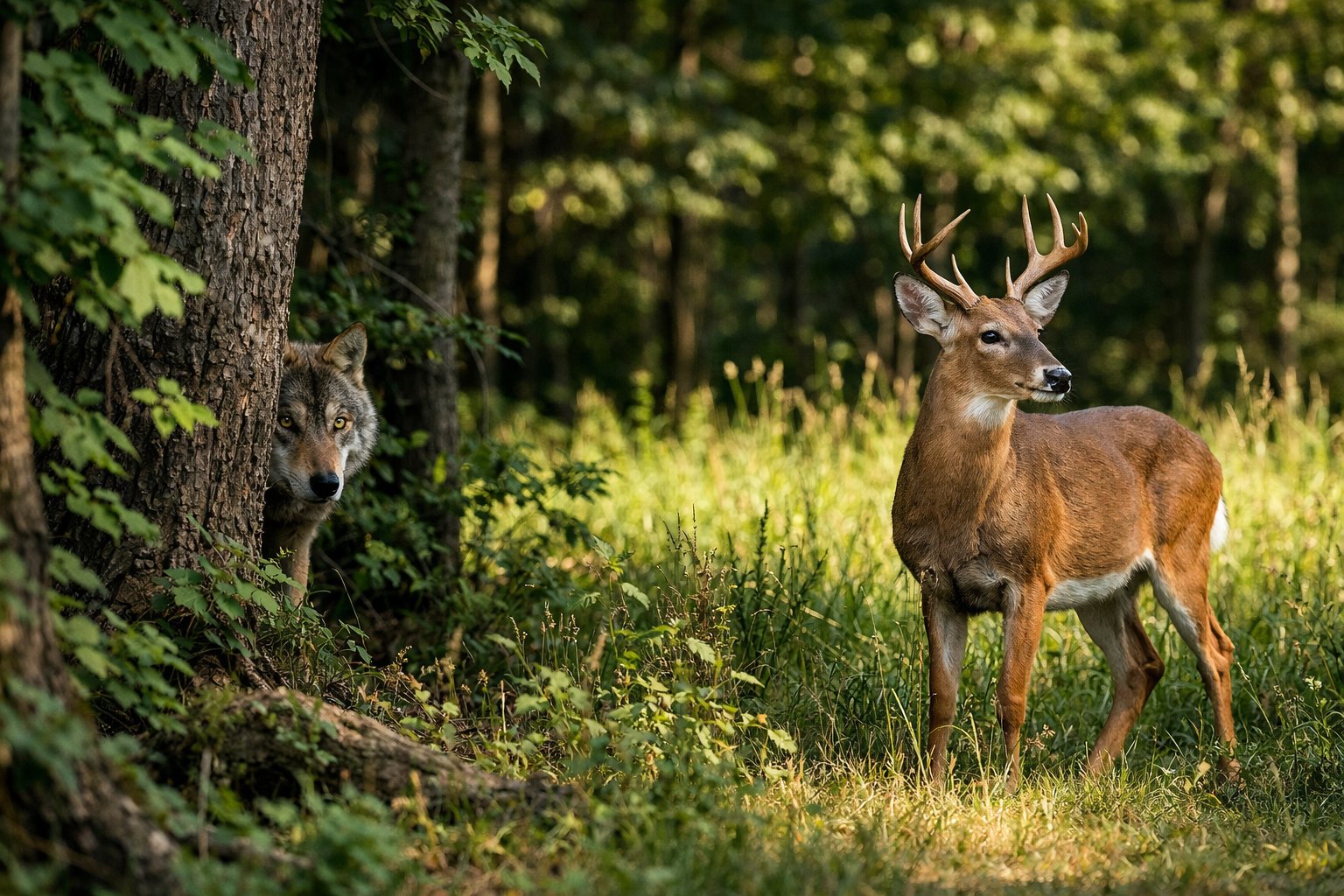
Let’s dig into which animals really eat deer, when deer are at their most vulnerable, and how their food choices (plus habitat) push them into risky situations.
This stuff can actually explain a lot about how deer behave and why certain places seem to attract more predators or scavengers than others.
What Can Eat a Deer? Essential Foods and Dietary Preferences

Deer eat all kinds of plants, and what they pick depends a lot on the season, where they live, and their age or size.
You’ll catch them browsing woody plants, nibbling soft forbs and grasses, and really packing it in when acorns or farm grains are around.
Natural Forage and Woodland Foods
Deer are ruminants, and honestly, they love browse—those tender leaves and shoots from shrubs and saplings.
Whitetail deer munch on willow, maple, aspen, and dogwood out in the woods.
They’ll go for fresh, young growth in spring because it’s loaded with protein and easier to digest.
When winter hits and soft greens disappear, deer start relying more on woody plants and older leaves.
Sometimes, they’ll grab lichen or wild mushrooms if nothing else is handy.
Deer also eat forbs like clover and wildflowers when they’re around, picking things like white clover for the extra protein.
Favorite Fruits and Vegetables
Deer can’t resist soft fruits and garden produce—they’re sweet, juicy, and easy to eat.
You’ll see them go after apples, pears, persimmons, blackberries, and raspberries as soon as they ripen.
Those fruits give them a quick energy boost, so it’s no surprise deer hang around orchards and field edges.
In gardens, deer target tomatoes, carrots, and hostas.
Usually, they’ll nip off new shoots and young leaves first.
Potatoes don’t seem to be their top pick unless they’re exposed or already damaged.
When deer get into the veggies, they can wreck a garden fast, especially in late summer and fall.
Nuts, Seeds, and Mast Crops
Hard mast—like acorns—really changes where deer go in fall and winter.
Acorns from oaks, especially white oaks, are packed with fat and energy.
Beechnuts, chestnuts, and hickory nuts also give deer the calories they need to pack on weight for winter.
You’ll notice deer bunching up in spots with lots of mast.
That can mean heavy feeding pressure in those areas.
Seed crops and fallen nuts shift where deer hang out and can make a big difference in how well they get through the colder months.
Agricultural Crops and Garden Plants
Deer love hitting agricultural fields for easy, high-calorie food.
They eat corn, wheat, soybeans, and other grains, usually sticking to field edges at dawn and dusk.
Alfalfa and other legumes are a big draw since they’re loaded with protein.
Brassicas and other forage crops pull deer in too.
You’ll often find them in gardens munching on brassicas, leafy greens, and even ornamental hostas.
Crop damage gets a lot worse near woods, where deer can feed and duck back into cover fast.
How Food Choices Shape Deer Behavior and Habitat
Food pretty much decides where deer live, how they move, and even how they deal with people and plants.
When you plant or feed—or even just change up what’s available—you change deer health, antler growth, and how they use the land.
Feeding Deer: Should You Do It?
Honestly, feeding deer on your property isn’t a great idea.
Handouts and open feeders mess with their natural movement, spread diseases like chronic wasting disease, and make deer rely on food that isn’t really good for them.
It also pulls deer closer to roads and neighbors, which just raises the odds of car accidents and complaints.
If you really want to help deer, try working with the habitat instead.
Plant native shrubs, create patches of mixed-age forest, and let natural browse grow.
Those steps help fawns and support antler growth, but without crowding deer into one spot.
Don’t forget to check your local wildlife laws—some places actually ban feeding for disease reasons.
How Deer Choose and Digest Their Food
Deer act as picky browsers.
You’ll spot them eating tender shoots, young leaves, and farm crops if they can get to them.
In spring and summer, they go for high-protein plants.
When fall and winter roll in, they switch to woody browse, acorns, and whatever carbs they can store up.
Their four-chambered stomach is built for fermenting plant material.
They chew, swallow, then bring food back up as cud to chew again—pretty gross, but it works.
This lets them get nutrients from leaves that most other animals can’t handle.
What you grow on your land affects deer nutrition, antler size, and even how many fawns survive.
More protein and minerals in their food means bigger antlers, but poor forage can really hold them back.
Plants That Attract or Repel Deer
Think about what you want—more deer around, or less—before picking your plants. If you want to bring deer in, go for tender ornamentals, fruit trees like apple or pear, and crops like corn or soybeans.
Oaks with acorns and willow trees? Deer seem to love those too.
If you’d rather keep deer away, plant things they don’t like. Lavender, daffodils, boxwood, and lots of ornamental grasses usually don’t tempt them.
Try using physical barriers or commercial repellents if you’re dealing with stubborn deer. You can also rotate your crops and avoid leaving tasty plants near the spots where deer tend to hide.
That way, you make it tougher for deer to snack on your property and have a bit more control over where they feed.


