
You’ve probably heard that deer have four stomachs. That’s not quite right. Deer have one stomach, but it’s split into four chambers: the rumen, reticulum, omasum, and abomasum. These chambers team up to break down all that tough plant food deer love.
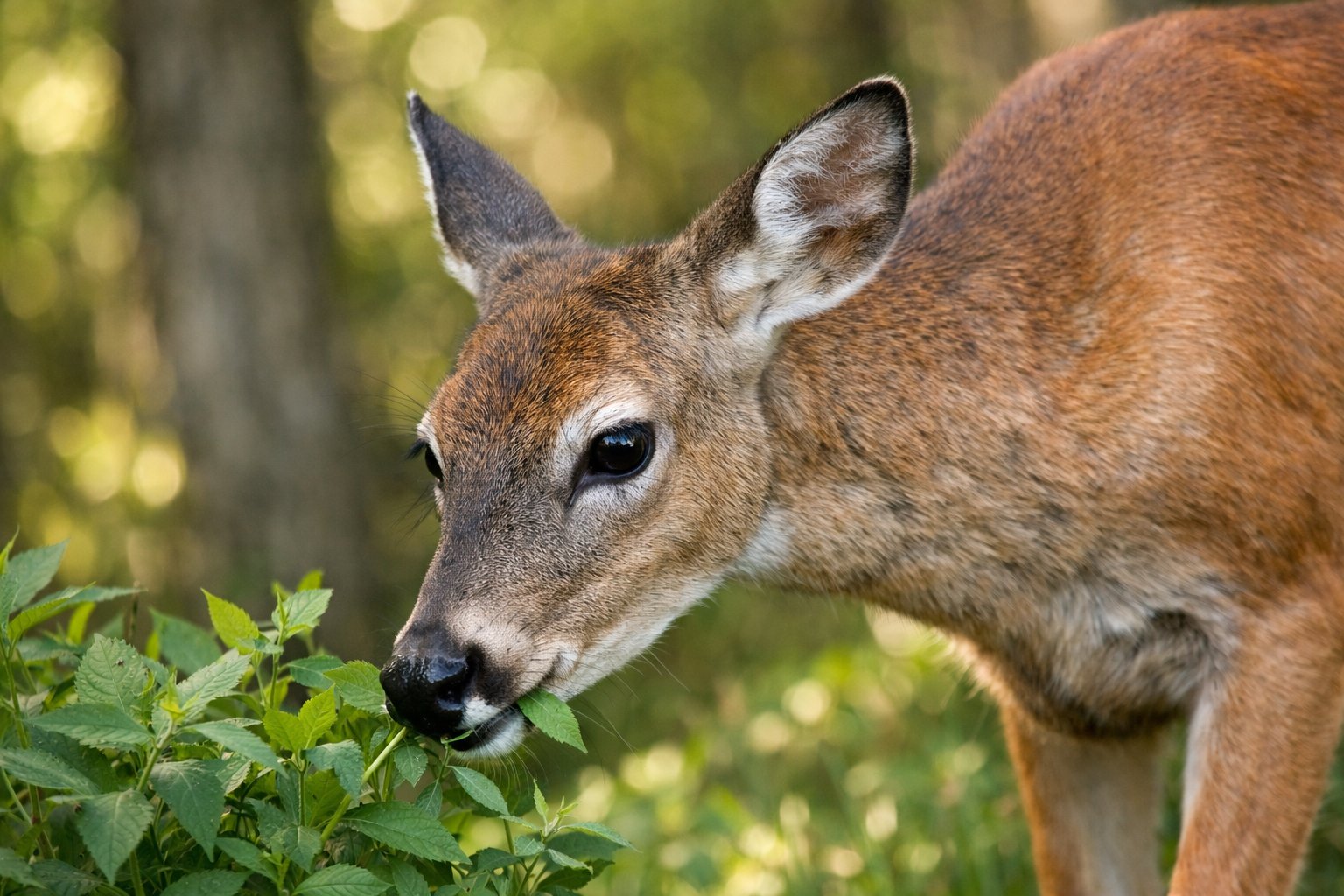
Knowing this helps you see how deer eat, why they chew cud, and how their bodies pull energy from leaves and grass. Let’s dig into what each chamber does and why this system matters for deer health and behavior.
How Many Stomachs Does a Deer Have?

Deer don’t actually have four stomachs. They’ve got one, divided into four separate chambers that work in sync to digest plants.
Each chamber—rumen, reticulum, omasum, and abomasum—handles a different part of breaking down tough vegetation and pulling out nutrients.
A Closer Look at the Four Compartments
The rumen is the biggest chamber. It stores partly chewed plants and houses billions of microbes that ferment cellulose.
This fermentation creates fatty acids, which give deer a lot of their energy.
The reticulum sits right next to the rumen and catches heavy or sharp bits. It also helps make the cud.
When deer rest, they bring up small wads from the reticulum to chew again, breaking down food even more.
The omasum acts like a filter. Its folds absorb water and some nutrients, making the food smaller before it moves on.
The abomasum is what you’d call the “real” stomach. It releases acids and enzymes to digest proteins and microbes. This chamber works a lot like the single stomach in animals that aren’t ruminants.
Differences Between Deer and Other Animals
If you compare deer to cows, sheep, or goats, you’ll see they’re all ruminants with a four-chambered stomach. The main steps—fermentation in the rumen, cud chewing, filtration in the omasum, and acid digestion in the abomasum—are pretty similar.
Deer stand out because their rumen is smaller, and they eat a wider mix of foods, including leaves and twigs. Giraffes also have four chambers, but they’ve got that super long neck and a gut built for high-up leaves.
Deer don’t have a gallbladder, which is a bit unusual. That helps them deal with certain plant compounds that might bother other animals.
Common Misconceptions About Deer Stomachs
People sometimes say deer have four separate stomachs. That’s just not true. Deer have one stomach with four specialized chambers, not four totally different organs.
Some folks think deer chew cud all the time while eating. Nope. Deer usually fill up fast, then find a safe spot to chew cud later. That way, they spend less time exposed while feeding.
Another idea floating around: that deer digest everything in the rumen. Actually, fermentation there is important, but most of the chemical digestion happens in the abomasum and intestines.
Inside the Deer Digestive System

Let’s see how each stomach chamber works, why deer chew cud, and how that helps them get energy from leaves and grasses. Different deer species have their own quirks, but the basics stay the same.
Roles of the Rumen, Reticulum, Omasum, and Abomasum
The rumen, the largest chamber, acts as a fermentation vat. Microbes—bacteria, protozoa, and fungi—break down cellulose from grasses and shrubs into fatty acids that deer use for energy.
These microbes also create some vitamins and amino acids.
The reticulum sits next to the rumen and traps heavier bits or foreign stuff. It sorts material so big chunks get sent back up as cud, while smaller pieces move on.
Contractions in the reticulum mix saliva with rumen contents.
The omasum absorbs water, salts, and some fatty acids. Its many folds squeeze out moisture and shrink food particles before they reach the abomasum.
The abomasum is the true stomach. It uses acid and enzymes to break down proteins and kill off microbes from the rumen, turning all that into nutrients the deer can absorb in the small intestine.
The Process of Chewing Cud and Rumination
Rumination happens when partly digested food comes back from the rumen and reticulum to the mouth. Deer chew the cud slowly, breaking fibers into smaller bits and mixing in saliva.
This saliva helps buffer stomach acids and supports the microbes.
Each regurgitation lasts just a few seconds or minutes, and deer repeat this cycle a lot each day. Chewing increases the surface area for microbes, letting deer get more energy from each mouthful than simple chewing would.
Saliva contains bicarbonate, which keeps the rumen’s pH stable. That’s important for keeping the microbe community healthy.
If a deer suddenly changes its diet, rumen pH can drop, leading to bloat or acidosis, which messes with digestion.
Why Ruminant Digestion Matters for Deer
Ruminant digestion lets deer pull energy from tough plant fibers that single-chambered animals can’t use well. That opens up their menu to grasses, leaves, twigs, and shrubs, no matter the season.
Microbial fermentation changes cellulose into fatty acids that supply most of a deer’s energy. Those microbes also make nutrients that help deer get through tough winters when fresh food is hard to find.
This system supports different feeding styles. Browsers like many deer go for leaves and twigs, while grazers stick to grasses. Digestive efficiency affects body condition, antler growth, and reproduction.
Adaptations Across Deer Species
Deer species have all kinds of digestive tweaks that tie back to what they eat and where they live. White-tailed deer and mule deer go for browsing, and their rumen communities handle tannin-rich leaves pretty well.
Elk and moose (Alces alces), on the other hand, usually munch on coarser grasses or woody browse. Their rumens are bigger, which helps them break down all that fiber.
Smaller deer tend to process food faster. Larger species hang onto their meals longer, letting fermentation do its thing.
Microbial communities in the gut shift along with the diet. You’ll especially notice this change when deer switch from spring greens to tough winter twigs.
These digestive quirks help each species thrive, whether they’re hanging out in open grasslands or tucked away in dense forests. But at the end of the day, they all use the same four-chamber ruminant digestive system.
Curious about how those four chambers actually work? Check out this overview of the deer digestive system.


