
You’ll spot deer most often at dawn and dusk. They don’t really have a set bedtime like we do.
Deer usually rest in short naps throughout the day. Most often, they’ll bed down in thick cover from late morning to mid-afternoon, then get active again around sunrise and sunset.

If you want to watch them or avoid scaring them off, it helps to know when deer typically bed down. This post breaks down why they nap in shifts, and how things like weather, season, and predators mess with their routine.
You’ll also get a sense of where deer pick to rest and what signs to look for if you’re trying to find their bedding spots. That way, you can plan better wildlife viewing, get some good photos, or just enjoy the outdoors without bothering them.
When Do Deer Go to Bed?
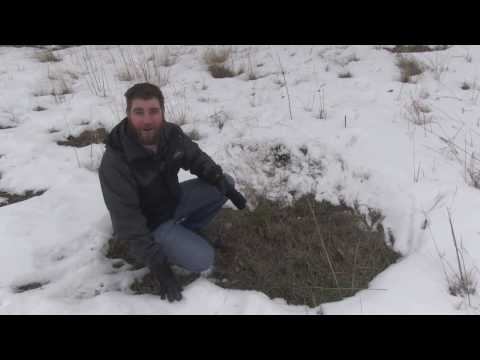
Deer tend to rest during the brightest part of the day. They move the most at dawn and dusk.
Let’s talk about when deer bed down, what can mess with that timing, and how bucks and does have their own habits.
Typical Daily Bedding Times
Deer are crepuscular, which just means they’re most active in low light. They feed during dawn and dusk, then bed down once the sun’s up.
In a lot of regions, whitetails start heading for cover by mid-morning. They’re usually bedded down deepest between about 9:00 AM and 4:00 PM.
You’ll see them leave open fields and slip into thick brush as the sun gets higher or people start moving around.
Bedding follows a pretty regular pattern: night feeding, then a bit more feeding at sunrise, and finally a move to a safe spot to chew their cud.
Deer don’t really sleep deeply. They just doze off for short bits and spend a lot of time chewing while staying alert.
Factors Affecting Deer Bedding Time
Weather and temperature can push deer to bed earlier or later. On hot days, they’ll head for deeper shade sooner, sometimes by mid-morning.
In winter, they might shorten their bedding time and get up more often to find food or chase a sunny patch.
If there’s a lot of hunting or noise, deer shift their bedding times. They’ll become more nocturnal, stretching their rest later into the morning or evening, and moving mostly at night.
Food availability and the rut also shake things up. During the rut, bucks barely rest and spend more time chasing does.
Differences in Bedding Between Bucks and Does
Bucks and does don’t always bed the same way or in the same spots. Does with fawns usually pick super secure beds close to food, and they might bed longer to nurse or chew cud.
Doe bedding spots focus on hiding and having a quick escape.
Mature bucks look for beds with a good view and plenty of escape routes. When the rut starts, bucks cut down on bedding and move more during the day.
Young bucks sometimes bed near does but tend to change spots more as they figure out their territory.
Where and How Deer Bed Down

Deer pick bedding spots that let them grab food, hide from weather, and escape quickly if they need to. If you want to find where they bed, look for shallow depressions, trails, and droppings.
Choosing Bedding Locations
You’ll usually find whitetail deer bedding in thick cover near food and water. Check out brushy areas, cedar thickets, or young pine stands within a few hundred yards of a field or crop edge.
In winter, deer often bed on south-facing slopes to catch the sun. When it’s hot, they prefer the shade on north or east-facing slopes.
Fawns and does like spots with good cover and short grass. The doe can keep watch while the fawn stays hidden.
Deer usually stick to one or two main travel routes. If you follow a worn trail from a feeding area, you’ll probably find a cluster of beds.
Mature bucks sometimes bed farther from does, often in thicker cover or up on a ridge.
Security and Cover in Bedding Areas
Deer care more about safety than comfort. They pick bedding areas with good sight lines and more than one escape route.
You’ll spot beds near open lanes or just inside thick brush, with the deer’s head pointed toward the opening to watch for trouble.
Wind direction matters too. Deer prefer to bed with the wind at their back, so scents drift away from their nose.
Look for clues like oval depressions, tufts of hair in the brush, or droppings nearby. Bucks sometimes leave rubs and scrapes near their beds.
If people or dogs disturb an area too often, deer move to denser cover or start bedding down mostly at night.
Seasonal Changes in Bedding Habits
Deer definitely change their bedding spots as the seasons shift. In winter, they’ll head for south-facing, wind-protected spots where they can get some sunlight and find food nearby. That way, they don’t have to burn as much energy just to stay warm.
When summer rolls in, deer look for cool, shady places close to water. They seem to love thick ferns or cane—anything that helps with shade and keeps the bugs off.
During the rut, bucks don’t stick to their usual secure beds as much. Instead, they bed down temporarily near where does hang out, just to stay close during mating season.
Fawning season? Does get really secretive. They pick tiny, hidden beds in dense cover so their fawns can stay out of sight for the first few weeks.
If you pay attention to these patterns, you can get a pretty good idea of where deer might bed down on your land.


