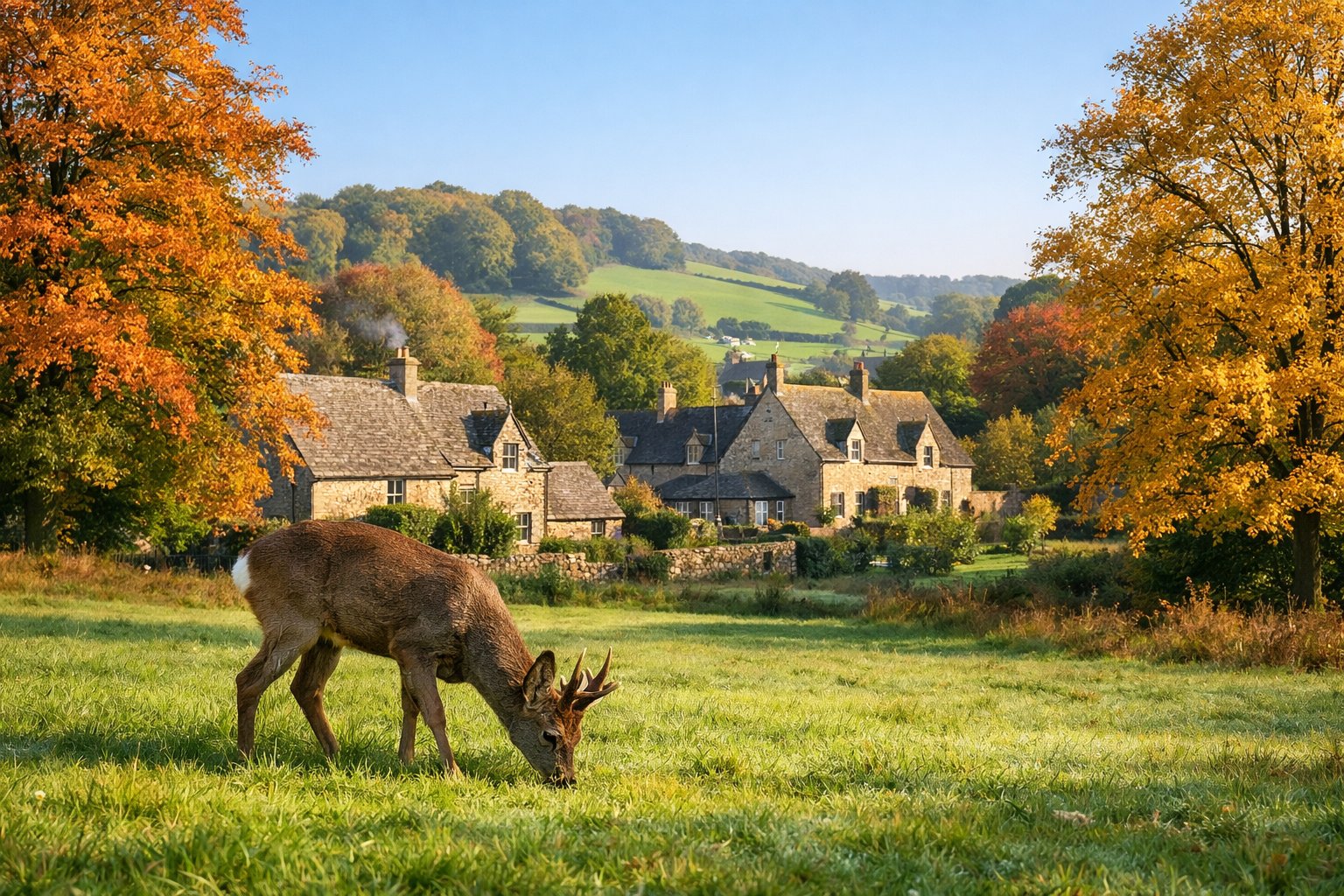
Yes, you can eat deer meat in the UK, but only if people take and handle the animal according to the rules that keep meat safe and legal.
If trained folks cull the deer properly and process it through approved facilities, venison is totally legal and safe to buy and eat.
Let’s talk about what the law actually requires, how to find trustworthy suppliers, and the safety steps you need to take before you cook or buy venison.
This article will walk you through the rules, practical concerns, and some simple checks so you can enjoy venison with confidence.
Is It Legal to Eat Deer in the UK?
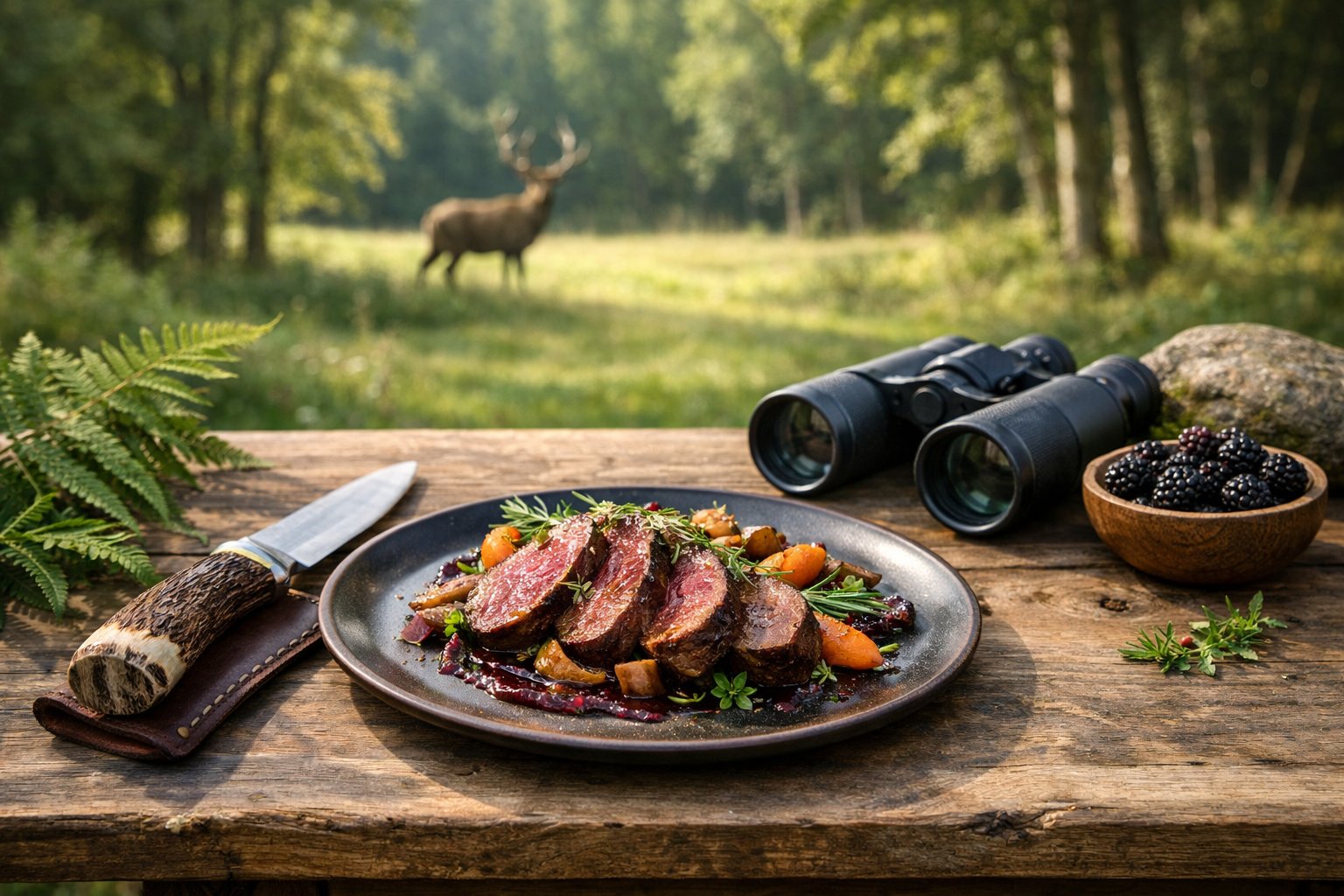
You can eat venison legally in the UK if someone takes and processes the deer under the right rules.
Laws decide which deer get protection, when and how hunting happens, and how people can sell venison.
Wild Deer Species and Their Protection
The UK’s got a few wild deer species: native red deer and roe deer, plus naturalised or non-native fallow, sika, muntjac, and Chinese water deer.
Red and roe are considered native, so they get extra management attention.
Everyone has to follow the Deer Act 1991, which tells you how you can take deer.
You can’t harm deer in ways the law forbids.
If a deer is injured, the Deer Act 1991 lets you act to prevent suffering, but you still have to stay within the legal limits.
Poaching and illegal hunting are crimes, and they can land you with fines, weapon seizures, or even prosecution.
If you find deer on your land, check local rules and any special protections before you do anything.
Deer Act 1991 and Legal Hunting Seasons
The Deer Act 1991 sets the rules for taking deer legally.
It lists offences for killing deer without permission and spells out the right methods and reasons for taking deer.
The Act also makes exceptions for preventing suffering or for pest control.
Hunting seasons aren’t the same for every species, and the idea is to protect breeding and population health.
Stalkers and hunters have to follow these dates and the best practice guidance from groups like the Deer Initiative.
The Hunting Act 2004 affects some hunting methods, especially for organised hunts.
Licensed, trained stalkers usually do legal culls and recreational stalking, and they need to stick to safety, welfare, and reporting rules.
Venison Availability and Sale Regulations
You can buy and eat wild venison if it passes hygiene and traceability checks.
Trained stalkers have to handle wild carcasses, and people process them at an Approved Game Handling Establishment (AGHE) or under similar local rules to sell them legally.
This keeps the meat safe and traceable from field to fork.
Venison sold in shops or restaurants has to meet food hygiene laws, and sellers must provide proof of legal harvest and traceability.
Eating deer you shot yourself on private land is common, but selling meat without proper processing and paperwork is illegal.
If you want to buy or sell venison, make sure the supplier uses approved processing and follows deer management and disease-check protocols.
Safety and Practical Considerations for Eating Deer
Handle, cook, and source deer meat carefully to avoid bacteria, parasites, or contaminants.
Know where the deer came from, how it was dressed, and if it shows any signs of disease or injury.
How to Eat Wild or Farmed Deer Safely
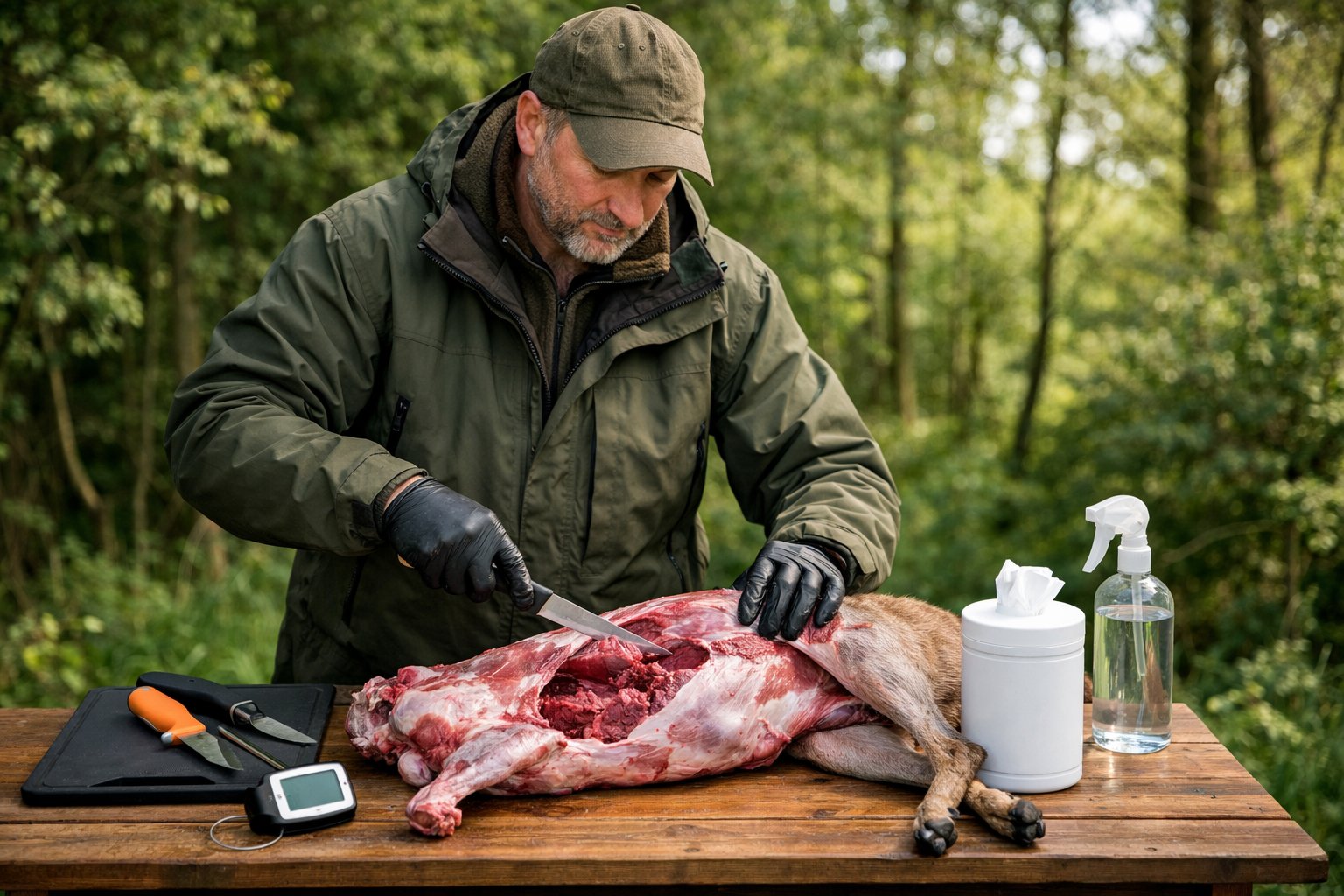
Wear gloves and grab a clean, sharp knife when field dressing.
Get the gut out quickly and keep the carcass cool—below 4°C (40°F)—as soon as you can.
If you pick up a deer from the road or find an injured one, check the meat closely and skip it if it smells bad or looks contaminated.
When you butcher, work in a clean, cool spot.
Use different boards for raw meat, and wash your hands and tools often.
Cook steaks and roasts to at least 63°C (145°F) and let them rest for three minutes; cook ground venison to 71°C (160°F).
Freeze cuts you won’t eat in a few days—vacuum packing keeps the quality up.
If you buy farmed venison, ask about what the deer ate and any medications.
Wild deer that munch on acorns or other local plants might taste a bit different, but that’s normal and usually not unsafe.
Don’t feed or handle wild deer, since that can raise the risk from ticks or spoiled carcasses.
Diseases and When Not to Eat Deer
Don’t eat deer that look sick, act weird during rutting season, or are really thin.
Chronic Wasting Disease (CWD) has affected some deer populations; if CWD shows up in your area, get the animal tested before eating.
If you can’t get testing and the deer acted oddly, just don’t eat the meat.
Look for signs of infection: weird lumps, pus, bad smells, or green patches.
If you accidentally puncture the intestines while field dressing, throw away any meat near that spot and clean everything well.
Ground venison mixes meat from all over, so don’t use questionable carcasses for mincing.
Keep in mind, parasites and bacteria like Salmonella or E. coli usually come from poor handling, not the animal itself.
Proper cooling, hygiene, and cooking keep most foodborne illnesses at bay.
Ethical and Environmental Aspects
Hunt deer only during legal seasons, and stick to bag limits. When you hunt ethically and actually use most of the animal, you help both populations and habitats.
If you see a deer clearly injured on the road, don’t shoot it unless local rules specifically allow salvage. It’s best to contact authorities first.
Feeding deer—either on purpose or just by leaving food out—changes how they behave and can spread disease. Please don’t feed them; it causes crowding during the rut and bumps up the risk of illness.
If you want to reduce environmental impact and support conservation, go for venison from well-managed sources or responsibly hunted local game.
For more info on safe handling and making sure wild game is safe to eat, check out this guide: How do I make sure deer meat is safe to eat?.


