
You can feed deer on a tight budget and still keep them healthy. The cheapest way? Stick with natural foods like acorns, native browse, and wild grasses when you can. If you need to supplement, toss in some low-cost feeds like corn, oats, or bulk soybeans.
Mixing natural forage with cheap, targeted supplements gives you a solid balance between cost and nutrition.
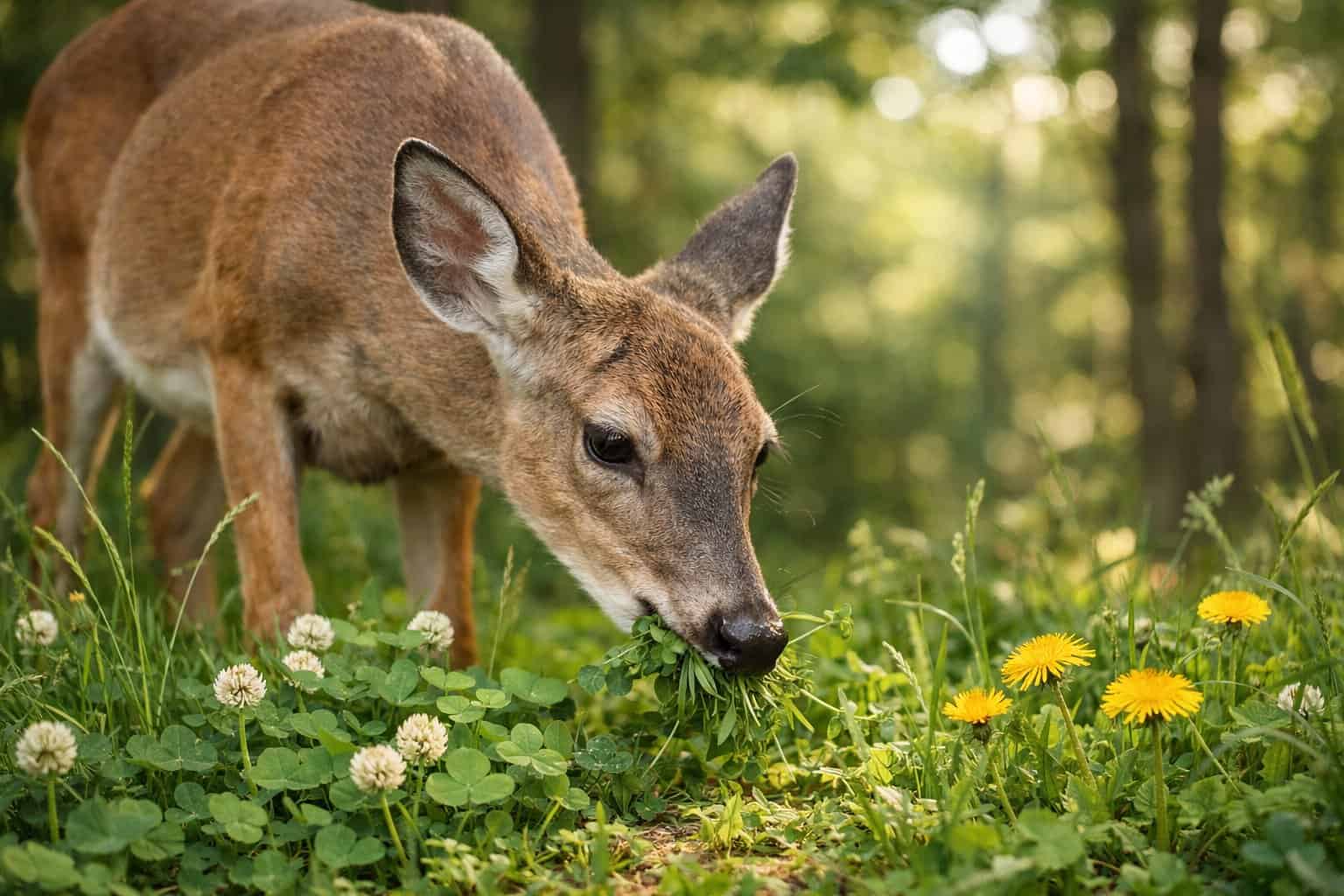
This post digs into which cheap feeds actually work, which ones to skip, and a few simple ways to stretch your dollar without cutting corners on deer health.
You’ll find practical choices and easy strategies that fit small budgets and real-world land conditions.
Cheapest and Most Effective Foods to Feed Deer
If you want low-cost options that still give deer what they need, start with natural forage.
Corn delivers calories, fallen fruit adds variety, and simple DIY mixes can boost protein without emptying your wallet.
Corn: Benefits and Drawbacks
Corn—especially field or cracked corn—ranks as one of the cheapest feeds for deer. It packs a lot of calories per pound and draws deer in like a magnet.
Use corn to help deer meet winter energy needs, but don’t make it their only food.
Corn doesn’t have enough protein or minerals for fawns or bucks growing antlers. If you feed only corn, the herd gets weaker over time.
If you use corn, throw in a mineral block or blend in higher-protein ingredients to round out the diet.
Check your local rules before putting out corn, since laws change state to state.
Spread out feeding spots to keep disease from spreading and avoid crowding too many deer in one place.
Acorns, Nuts, and Natural Forage
Deer thrive on acorns, tree nuts, leaves, and native grasses. These natural foods cost almost nothing and keep deer healthy long-term.
Letting mast-producing trees grow or protecting wild stands feeds lots of deer with little effort or money.
Acorns pack a ton of calories and last longer than fruit, so they help deer through fall and into early winter.
Young shoots, leaves, and forbs—what folks call browse—offer protein and vitamins, especially in spring and summer.
Planting clover or alfalfa plots gives cheap, high-quality food that helps bucks grow antlers. You don’t need much seed or labor, but the payoff is huge.
Fallen Fruits and Vegetables
Deer love fallen apples, carrots, and other produce for a sweet, seasonal treat.
You can collect windfalls from orchards or buy seconds for cheap—some orchards even sell dropped fruit at a discount.
Fruits rot fast, so put them out where deer can eat them quickly. Skip citrus, spoiled kitchen scraps, and anything cooked.
Cherries and other stone fruits attract deer but might also draw in bears and other wildlife, so think about local predators before you leave out fruit.
Keep fruit piles small and refresh them often to limit disease. If you have extra fruit, freezing it or using it soon after picking cuts down on waste.
Homemade Deer Feed and DIY Mixes
Making your own deer feed saves money and lets you control what goes in.
Start with cracked corn, oats, molasses, and a protein source like alfalfa pellets or soy. Add salt or a mineral block for essentials.
A basic mix: 60% cracked corn, 20% oats, 15% molasses, and 5% protein pellet. Tweak the percentages to fit your local needs and follow any legal limits.
Store your mix in a dry spot away from rodents and mold.
Skip recipes heavy on dairy, bread, or processed scraps—deer don’t digest those well.
Homemade feed works best as a supplement, not a total replacement for natural forage.
Supplemental Feeding Methods and Considerations
Plant lasting forage and use low-cost grains or basic feeders when you need to help deer out.
Focus on protein, change up feeding spots, and always follow local rules to keep disease in check.
Food Plots: Clover, Alfalfa, and Brassicas
Clover and alfalfa give deer high-protein, budget-friendly food year after year.
Clover comes up fast and feeds deer through spring and summer. Alfalfa has even more protein, but it needs better soil and some maintenance.
Both crops add nitrogen to the soil, which is a nice bonus.
Brassicas—think turnips, radishes, kale—do well in cool weather and feed deer into late fall and winter.
Plant brassicas in late summer for a solid fall and winter crop. Mixing turnip, radish, and kale keeps deer interested and offers root forage too.
Keep plots weeded, seedbeds firm, and fence young plots if livestock or heavy browsing is a problem.
Rotate plots each year to avoid overgrazing and soil burnout.
Test your soil and add lime or fertilizer as needed to get the most from cheap seed.
Supplemental Grains: Soybeans and Oats
Soybeans and oats cost little and add more protein than plain corn.
Soybeans are loaded with protein and fat, which helps does that are nursing and bucks growing antlers.
Plant soybeans in a food plot or use leftovers from farms if it’s legal in your area.
Oats are cheap, easy to grow, and make good fall and early winter forage. They come up fast and can handle cool weather.
Mixing oats with clover or brassicas gives deer a better diet and stretches out feeding benefits.
Don’t feed only corn for long stretches; it’s cheap and tasty but doesn’t have enough protein.
Use grain mixes or swap corn with soybeans, oats, or store-bought deer feed that lists crude protein to cover all the bases.
Using Deer Feeders on a Budget
Gravity and timed feeders cost less than fancy broadcast systems.
Try a gravity feeder with corn or a simple hopper feeder for controlled portions.
Put feeders about 100–200 yards from roads and busy spots to keep deer safe and out of traffic.
Buy feed in bulk to save money per pound.
Switch up feed types with the seasons—oats or soybeans in winter, clover or alfalfa during the growing months.
Set up several small feeding sites instead of one big pile to protect the surrounding plants and avoid overuse.
Clean feeders often and check for moldy or spoiled grain. Use a cover to keep feed dry.
If money’s tight, consider used or homemade feeders, but make sure they work right and don’t trap deer or other animals.
Health, Disease, and Legal Concerns
Check your local laws before you start feeding—some states actually restrict feeding to slow down the spread of disease.
When deer gather in one spot, diseases like chronic wasting disease (CWD) can spread a lot faster. Feeding encourages close contact and raises the risk.
Try spacing out feeding sites so you don’t end up with a crowd of animals in one place. If you notice sick deer, just stop feeding right away.
Clean your feeders often. Skip feeding during outbreaks. Choose feed that keeps the ground from getting muddy—this helps cut down on transmission through saliva or droppings.
Supplemental feeding can shift how deer move and even change the population structure. Use trail cameras and your own eyes to check on their health.
Always stick to your state wildlife agency’s rules about feeding. That keeps you on the right side of the law and helps protect deer.
If you’re looking for cheap feed options and want to know the risks, there are plenty of guides out there. You’ll find advice on using corn, soybeans, and what the land-management folks recommend.
For planting tips and seasonal advice, check out food-plot guides that cover wheat, oats, and corn (https://iere.org/what-is-the-cheapest-way-to-feed-deer/).


