
You’ll spot deer all over the UK—woodlands, meadows, even close to towns. But calling them a pest? That’s not the whole story. Deer aren’t always pests in the UK. Some species definitely cause trouble in certain spots, but others actually help out in ecosystems and even hold a special place in local culture.
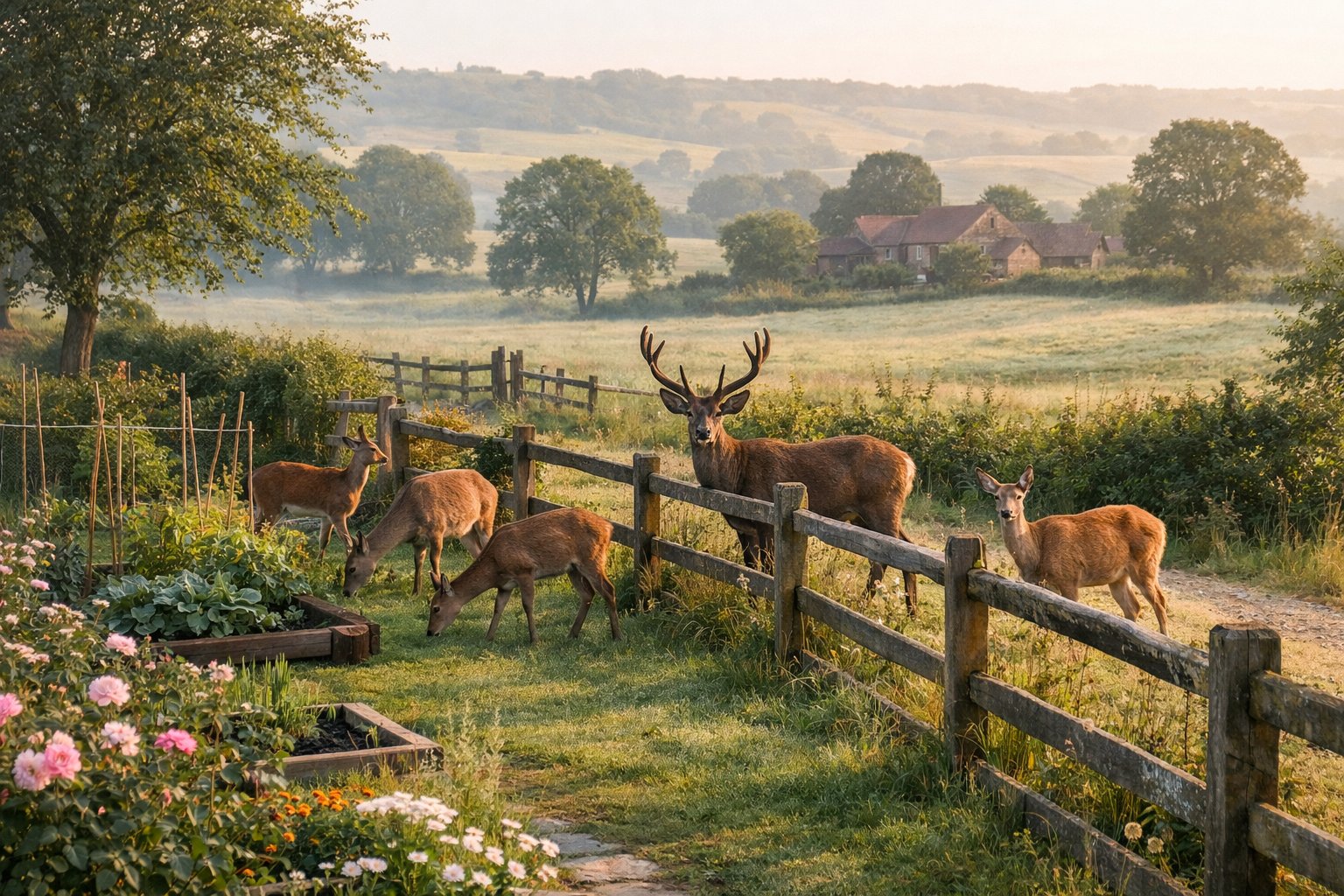
Let’s get into why native deer like red and roe aren’t the same as the non-native ones. Land use, predators, and what people do all affect deer numbers. Here’s what you need to know about which deer cause problems, where those issues pop up, and what really works to protect habitats and farms.
If you’re after straight talk about whether deer hurt crops, woods, or wildlife—and what you can actually do about it—stick around. There are some practical ways the UK deals with deer, and honestly, slapping a simple label on them doesn’t help.
Are Deer a Pest in the UK?

Deer sometimes help habitats, and sometimes they mess things up. It really depends on the species, how many there are, and where they live. You’ve got to look at the law, what they do in nature, and what’s actually happening locally before you call them a pest.
Definition of a Pest in UK Context
In the UK, people usually call something a pest if it’s not native, spreads like crazy, or clearly harms people, property, or native wildlife. Legal definitions aren’t always the same: the Deer Act 1991 protects some species, while others fall under extra rules for invasives.
Always check the local law before you do anything. For example, muntjac deer are on the invasive list, so you can’t just move or release them, but you still have to follow animal welfare rules if you’re dealing with them.
What counts as a pest really depends on what’s happening. If deer chew up crops or keep young trees from growing, landowners probably see them as pests. But red and roe deer, being native, often have cultural or conservation value—so calling them pests can be a bit touchy.
Impacts of High Deer Populations
When there are too many deer, you’ll notice. They eat young trees and shrubs, which can stop woods from coming back. In places like East Anglia and parts of southern England, you’ll see fewer understorey plants and fewer places for birds to nest.
You might spot fewer wildflowers and fewer ground-nesting birds where deer graze a lot.
Deer can also cause problems for people. More deer on the roads means more car accidents and injuries. Lots of deer can mean more ticks too, which sometimes raises the risk of tick-borne diseases like Lyme—though deer aren’t the only cause. Farmers complain about crops being eaten, and foresters have to spend more on protecting young trees.
Native vs Non-native and Invasive Deer Species
Red deer and roe deer are the only native species in the UK. They’ve been around for ages and fit naturally into the ecosystem, especially in Scotland and upland areas.
Other species—fallow, sika, muntjac, and Chinese water deer—aren’t native. Muntjac and sika spread fast and can change local habitats. The law treats muntjac as invasive, so there are rules about moving or trading them.
You should manage native and non-native deer differently. Native deer sometimes need population control to keep habitats healthy. Non-native or invasive deer usually need stronger action to stop them spreading and harming rare plants or sensitive woods.
Ecological and Economic Effects
Deer change plant life by picking and choosing what they eat. That affects insects, ground plants, and birds like nightingales that need dense cover. In places where deer eat too much, you’ll see simpler habitats and less variety in wildlife.
Deer cost people money, too. Farmers lose crops, tree planting fails, and there’s damage to fences and cars. Managing deer isn’t free—fencing, culling done properly, and replanting all add to the bill.
You have to weigh up the good stuff—like nutrient cycling and feeding predators—against the problems. Local surveys and habitat checks help you figure out if deer are really pests where you live.
You can find more advice from groups like the British Deer Society and government forestry services.
Deer Management and Control Strategies
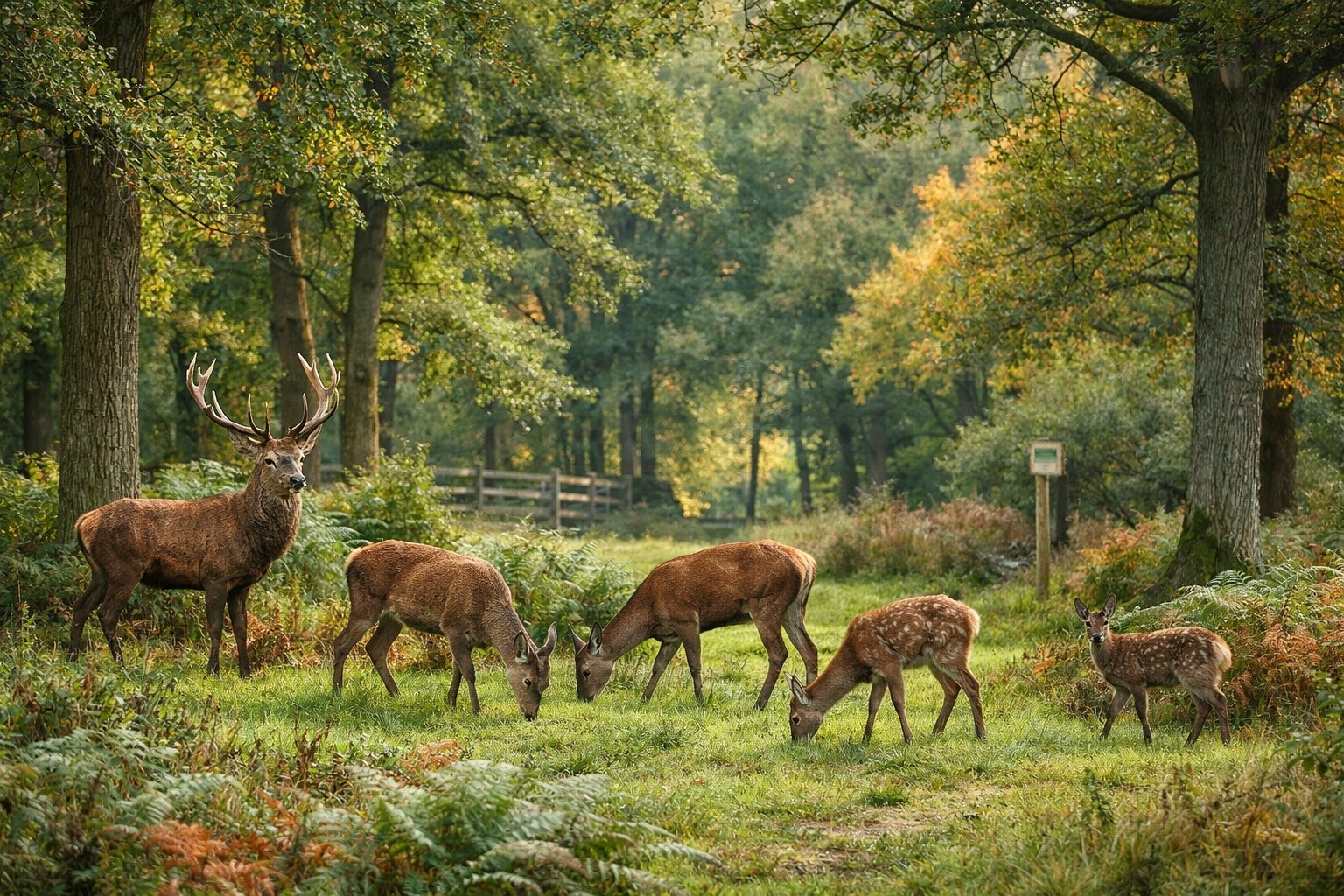
Managing deer in the UK is a mix of laws, practical work, and careful choices about wildlife and land. Here’s what you need to know about the rules, how pros handle control, and how they try to balance everything—habitats, deer, and animal welfare.
Legal Framework and the Deer Act 1991
The Deer Act 1991 sets out when and how you can shoot or take deer in England and Wales. It bans certain traps, nets, and snares, and you can’t hunt with dogs or use poison. You need to check local rules and get permission from landowners before you try any control work.
If you manage land or work in wildlife, you’ll want to know about exceptions and licenses for some methods. The Act tries to stop cruelty and keep people safe, so breaking the rules can mean fines or worse. For more details, check the British Deer Society’s advice or government guides on deer management.
Approaches to Professional Deer Management
Professional deer managers use focused, practical methods to cut down damage to crops, woods, and wildlife. They plan culls, use fences, reduce road accidents, and sometimes change habitats. Culling is timed by season, species, and age or sex to keep populations healthy and stop young trees from disappearing.
Pros keep records of what they shoot, how they dispose of carcasses, and check animal health. Venison sometimes gets sold if it’s legal and safe, which helps make sure animals are handled well. Working with neighbours or local deer groups can really help, especially in places like the Highlands or big woods where deer roam across property lines.
Balancing Conservation, Welfare, and Land Management
When you manage deer, you’ve got to juggle biodiversity goals, timber regeneration, and animal welfare. In woodlands, red deer (Cervus elaphus) and roe deer (Capreolus capreolus) can eat so much that young trees never get a chance and plant diversity drops.
Professionals try to protect young trees and ground plants, but they also need to keep deer numbers at a level that’s healthy for the whole habitat. It’s a tricky balance.
Ethics and welfare really shape how people handle this. Most folks prefer humane shooting by trained stalkers, following best practice standards from groups like the British Deer Society.
Management plans usually mean watching how plants are doing, keeping an eye on stags during the rut, and dealing with invasive species like muntjac (Muntiacus reevesi) or sika (Cervus nippon) if they start causing trouble for native wildlife.
Plans aren’t set in stone. As population numbers shift and conservation goals move, you’ll see approaches change too.


