
Ever wondered if coyotes actually prey on humans? Honestly, the answer’s no—healthy coyotes don’t see people as prey, and attacks are incredibly rare. Most coyotes keep their distance and want nothing to do with us.
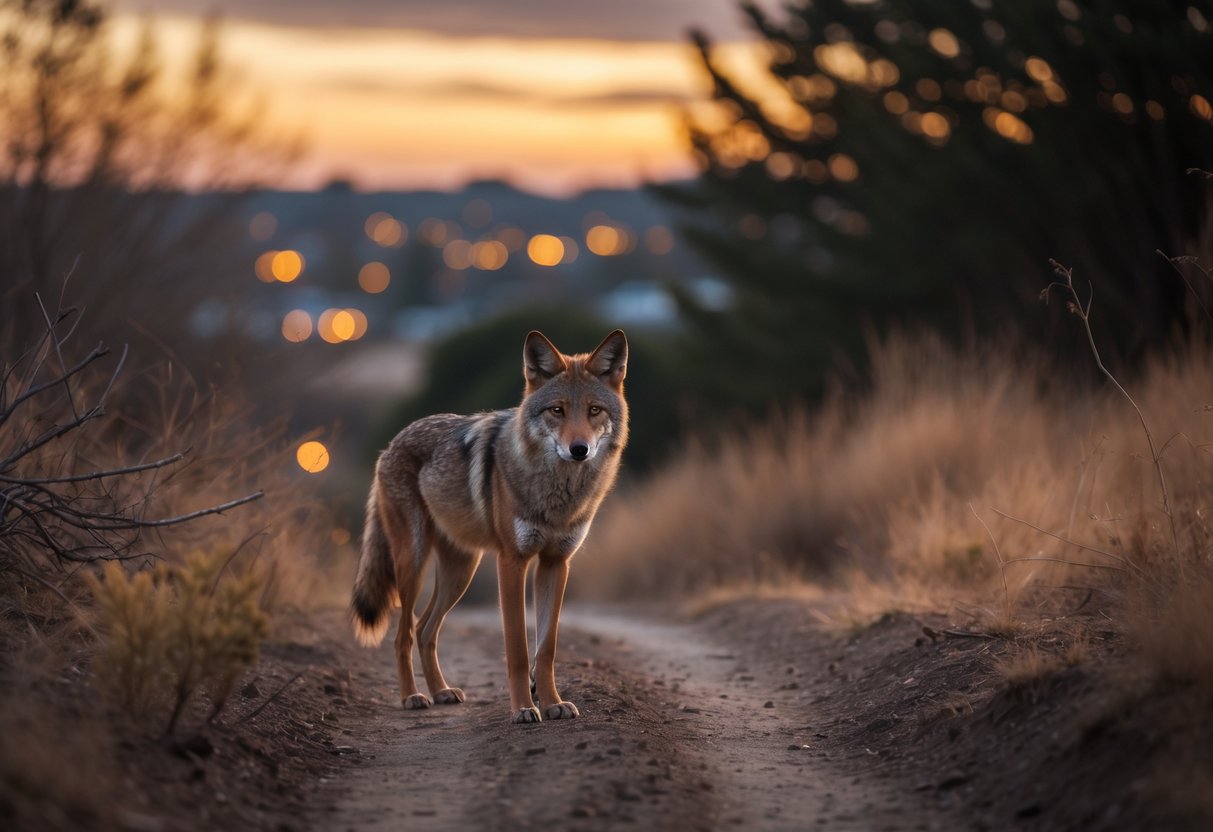
Still, coyotes can pose a risk to small children and pets, especially if they lose their natural fear of people. This usually happens when they find food near homes or when people feed them, even by accident.
If you know when and why coyotes act bold, you can do a lot to keep your family safe.
In rare situations—like what happened in Cape Breton Highlands National Park—coyotes have acted more aggressively because of unusual environmental factors. But for most folks, just following some basic safety tips and not feeding coyotes is enough.
Curious about what makes coyotes tick and how to spot risky situations? Let’s dig in.
Will Coyotes Prey on Humans?

Coyotes almost never see humans as prey. Rare attacks do happen, though. Things like food sources, the environment, and how we behave can change how coyotes act around us.
Understanding what pushes them to be aggressive helps keep everyone safer.
Do Coyotes Attack Humans?
Coyotes attacking humans is pretty rare, especially when it comes to adults. They don’t hunt people for food like wolves sometimes do.
Most run-ins happen because coyotes get bold looking for human food or scraps. That’s when they start losing their fear of people.
Small children and pets, on the other hand, can seem like easier targets. Coyotes might attack if they feel trapped, threatened, or if food is really hard to find.
Coyotes living near cities or suburbs often come closer, since there’s more food lying around.
If you avoid feeding coyotes and keep pets protected, you cut down the risk a lot.
Documented Cases of Coyote Attacks
Actual coyote attacks on people don’t happen often, but they do show up in the news now and then. Since the early 2000s, just a few dozen injuries have been reported in North America.
One of the worst cases was in 2009, when a 19-year-old was fatally attacked in Cape Breton Highlands National Park.
These attacks usually happen when coyotes become bolder, often because their environment changes. In places where coyotes hunt big animals like moose, they might get more aggressive after tough hunts.
Most reports involve bites or minor injuries, and kids or people hiking alone get hurt the most.
If you pay attention to how local coyotes act, you’ll have an easier time avoiding trouble.
Risk Factors Influencing Coyote Aggression
A few things make coyote aggression toward humans more likely.
- Availability of Food: Coyotes that eat our leftovers or pets get bolder.
- Habitat Changes: When cities expand, coyotes end up closer to people and lose some of their natural prey.
- Lack of Hunting or Control: In parks where nobody hunts them, coyotes stop being scared of humans.
- Season and Weather: Winter can make coyotes more desperate, especially if they’re used to hunting big, trapped animals.
If you live near wild spaces or parks, don’t leave food outside. Keep pets inside or supervised, and stay aware of your surroundings.
Carrying deterrents like bear spray can help if you come across a coyote that acts aggressive.
There’s more info about coyote safety and behavior in guides on coyote attacks on humans and how to keep your family safe.
Why Conflicts Happen and How to Prevent Coyote Attacks
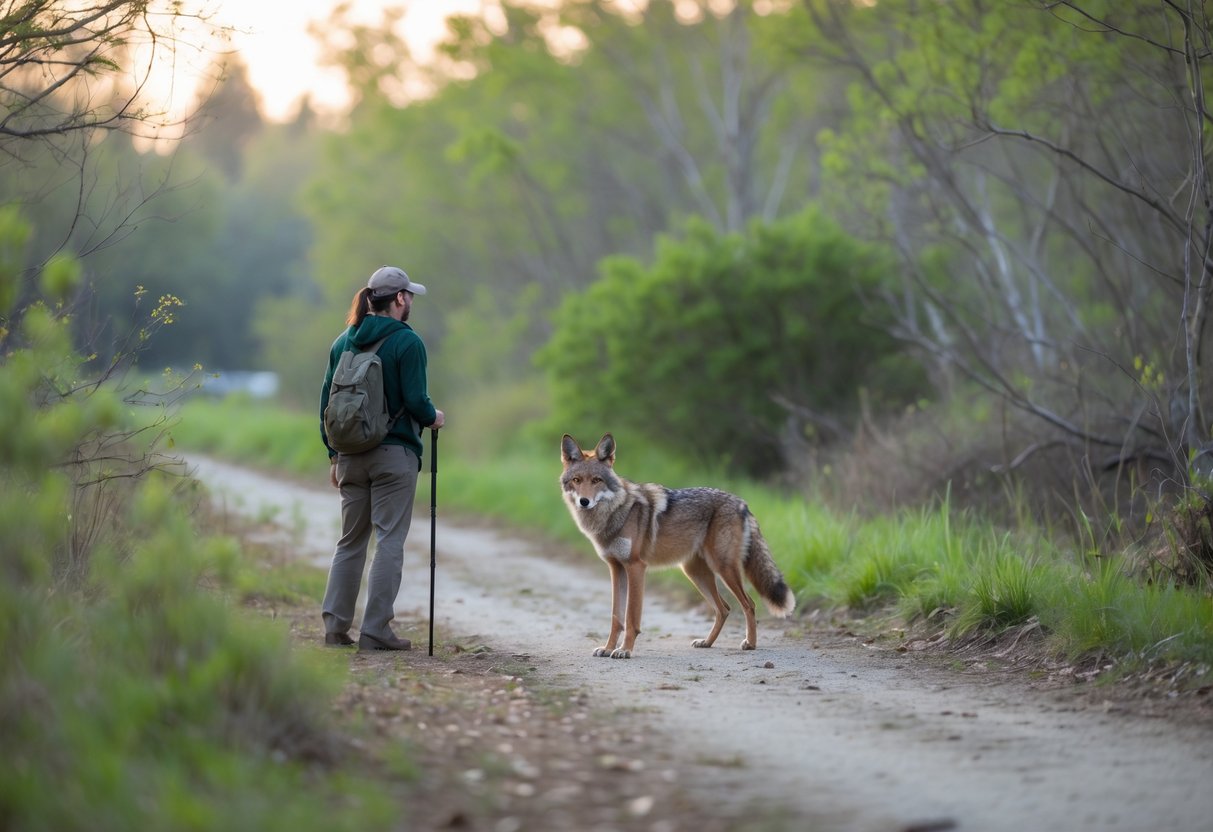
Coyotes live surprisingly close to people in suburbs and cities. Their behavior shifts when they get used to humans being around.
Conflicts usually pop up when coyotes lose their fear of us or when food sources lure them into yards and neighborhoods.
Knowing how coyotes behave and what attracts them is a big deal for safety.
Coyote Behavior and Habituation
Coyotes usually avoid people. But urban coyotes that see humans all the time can get used to us—this is called habituation.
When that happens, they might come closer or act bolder in the daytime. Sometimes you’ll spot a coyote just wandering or watching from a distance in broad daylight, which is a sign they’re getting a bit too comfortable.
Coyotes defend their territory, especially during pup-rearing season from May to August. If one feels threatened or cornered near its den, it might act aggressively.
That’s why it’s smart to stay alert, avoid running, and make noise if a coyote approaches you.
Effects of Feeding Coyotes
Feeding coyotes—on purpose or not—causes the most problems. When they find food around homes, like pet food, garbage, or even bird feeders, they start to connect people with easy meals.
People sometimes leave food out without realizing it’s a coyote magnet. Feeding them directly makes them test boundaries more often.
Once coyotes see humans as a food source, aggressive behavior or attacks become more likely. The best move? Get rid of all outdoor food sources and break the cycle before it starts.
Preventing Negative Encounters
If you want to avoid coyote conflicts, start by removing things that attract them. Pick up pet food, garbage, and any fallen fruit from your yard.
Make sure you secure your trash bins. Clean up any spilled birdseed, too.
Spotting coyotes near your home? Try hazing—yell, wave your arms, or toss small objects to scare them off. Some people carry noise makers, like a can filled with rocks, on walks. It’s a simple trick, but it usually works to keep coyotes cautious.
Install fences over six feet tall, and add a roll bar on top if you can. That extra height makes a big difference in keeping coyotes out.
Don’t run if you run into a coyote. Instead, back away slowly and make noise—stay confident, even if it’s a little nerve-wracking.
If you notice a coyote acting aggressive or way too bold, let your local animal control know. That way, your whole community stays safer.
Want more info? Check out how to prevent conflicts with coyotes or learn about urban coyote behavior.


