
Coyotes and dogs might look kind of similar, but their behavior around each other is a whole different story. If you’re asking yourself whether coyotes are nice to dogs, here’s the thing—coyotes are wild animals, not pets.
Coyotes usually don’t treat dogs kindly. In fact, they often see smaller dogs as prey or as a threat.

You might notice coyotes wandering near your neighborhood or in local parks, especially since they’ve gotten pretty good at living in cities. Sometimes, nothing really happens, but coyotes tend to act cautious, defensive, or even downright aggressive, depending on the moment.
If you understand how coyotes behave around dogs, you’ll have a much better shot at keeping your dog safe.
Knowing what coyotes do can mean the difference between a calm walk and a scary run-in. This guide will walk you through what to look out for, how to protect your dog, and what to do if you bump into a coyote.
Coyote and Dog Relationships: Nature, Behavior, and Encounters

Coyotes and dogs act differently when they meet. Sometimes a coyote acts curious; other times, it’ll get defensive or aggressive.
The situation, your dog’s size, and your location all play a part. If you know how coyotes act, you’ll be better prepared to keep your pup safe.
Do Coyotes Act Friendly Toward Dogs?
Coyotes are wild, so they don’t usually act friendly with dogs the way pets do. In rare cases, a coyote might seem playful, especially with puppies or young dogs.
You might see them chasing or running together, but don’t let that fool you. Even playful coyotes can turn dangerous fast.
Coyotes are unpredictable and often see small dogs as prey. Never let your dog wander alone in areas where coyotes live.
Keep your dog close and always use a leash on walks.
Differences Between Coyotes, Dogs, and Coydogs
Coyotes and dogs come from the same family, but their behavior and genetics aren’t the same. Coydogs—hybrids of coyotes and dogs—carry traits from both sides.
Sometimes, coydogs act more aggressive or unpredictable than either a regular dog or a coyote.
Dogs have lived with people for thousands of years, thanks to selective breeding. Coyotes, on the other hand, stay wild and mostly roam at night.
Coydogs might end up with a mix of these habits, making them tricky as pets.
If you want the details on how coyotes and dogs are related, check out this genetic connection between coyotes and dogs.
Coyote Behavior Toward Different Dog Breeds
Coyotes usually keep their distance from big, strong dogs like German Shepherds. Those dogs look like too much trouble.
Smaller breeds, though, face more danger because coyotes see them as easy targets.
If your dog is under 50 pounds, be extra careful during early morning or evening walks. That’s when coyotes are most active.
Even big, protective dogs might scare off a coyote, but don’t count on your dog alone to keep coyotes away.
Protect your pet by using a leash, steering clear of known coyote spots, and checking out these tips on preventing coyote attacks on dogs.
Coyote Attacks and Protecting Your Dog
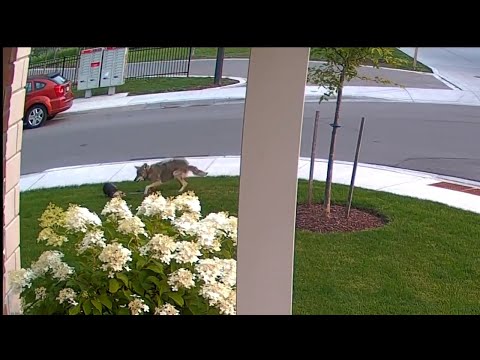
Coyotes can threaten dogs, especially in certain places or situations. If you know when the risks go up and use the right tools, you’ll help keep your dog safe.
Good yard security and protective gear matter too.
Situations That Increase the Risk of Coyote Encounters
Coyotes get most active at dawn and dusk, so those times bring a higher chance of running into one. Places near woods, empty lots, or where people leave food outside attract coyotes.
Small dogs face more risk because coyotes see them as prey.
Coyote breeding season, from late December to March, means adults get extra protective of their pups. If you leave your dog outside alone or off-leash near these areas, the odds of an attack go up.
Coyotes might also come closer if they’re used to human food or spot a dog on its own.
Effective Prevention Tools and Safety Measures
Keep your dog on a leash in areas where coyotes might show up. Loud noises like whistles or bells can scare coyotes away.
Teach your dog commands like “come” and “stay”—it’s crucial if a coyote appears.
For small dogs, try a coyote vest. These vests use Kevlar and spikes to make biting harder for a coyote.
Carry high-value treats or toys on walks to keep your dog’s attention, especially when coyotes are likely to be out.
Home Security: Fencing, Lights, and Coyote Vests
A sturdy, coyote-proof fence really does a lot to keep your yard safe. Aim for a fence that stands at least 6 feet tall, and dig it into the ground about 12-18 inches to stop coyotes from digging under.
Try adding coyote rollers or even a slick PVC pipe along the top. That way, coyotes can’t scramble over as easily.
Motion-sensor lights pointed outside the fence usually startle coyotes before they get close. Don’t forget to clear away things that attract them—pet waste, fallen fruit, or trash that’s not sealed up.
If your dog’s hanging out in the yard, keep an eye on them or make sure they’re in a secure area. For smaller dogs, a coyote vest can give you a little more peace of mind when they’re outside.
Want more tips and details? Here’s a helpful guide on protecting your dog from coyote attacks.


