
Coyotes usually keep to themselves, but their behavior shifts at certain times of the year. If you’ve got pets or like to be outdoors, you’ll want to know when these animals are more likely to act up.
It’s just smart to stay ahead and keep your family and animals safe.
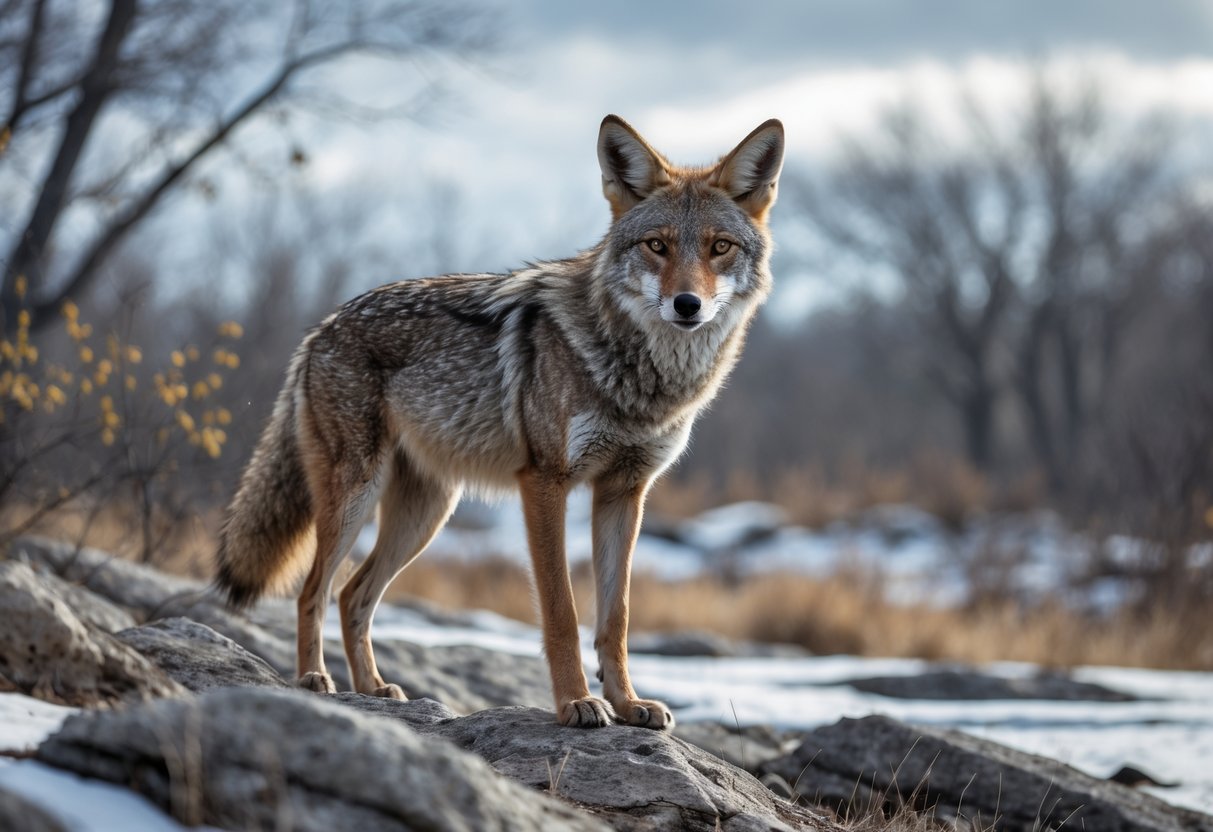
Coyotes reach peak aggression during their mating season, which usually runs from February to March. Males fiercely protect their territory, and females guard their pups, so you’ll see them act bolder or even confront threats.
If you understand when coyotes get more active and aggressive, you can take the right steps to avoid problems. You don’t have to be afraid, but it’s worth knowing what’s up with their behavior.
Periods of Increased Coyote Aggression
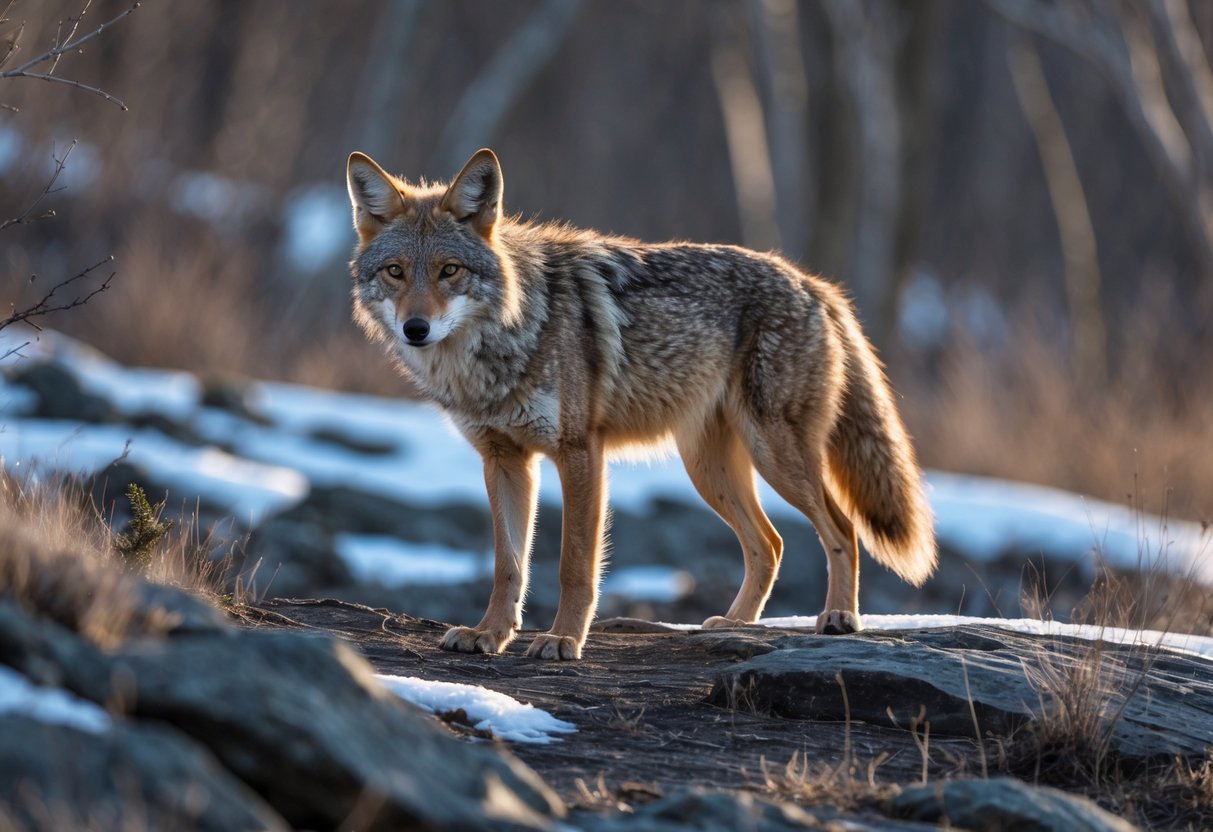
Coyotes get more aggressive at specific times of the year. Mating, raising pups, and changes in activity all play a part.
If you know when these shifts happen, you’re better equipped to keep your pets and family safe.
Mating Season and Territorial Behavior
Coyotes show the most aggression during their mating season, peaking from late January to early March. Male coyotes defend their territory from other males and get more protective than usual.
You might see or hear them more often near homes or parks during this time. They can get louder and act braver as they try to attract mates or chase off rivals.
If you’ve got small pets, be extra careful because coyotes may see them as threats or prey. Leaving food outside just makes things worse—don’t do it.
For more details on mating season risks, check out this coyote aggression during mating season.
Pup Rearing and Family Protection
Female coyotes get super protective when they have pups, usually between mid-March and mid-May. They hide their dens and guard the area closely.
If you wander too close to a den, the mother will try to scare you off to keep her pups safe. During this time, coyotes might see small dogs or cats as predators or just as easy targets.
You’ll want to keep pets inside or leashed, especially near wooded or brushy spots. Other pack members help raise the pups, so you might notice more noise and activity near dens.
Seasonal Activity Changes
Coyotes usually hunt at night, but in winter, they start moving around during the day. Food gets harder to find, so they have to travel more and stay alert.
With all that extra movement, there’s a bigger chance you’ll cross paths with them or find tracks and hear howling. It’s just something to watch for.
If you know they’re out and about more during the day in colder months, you can secure your garbage and keep an eye on small pets.
Learn more about winter behavior at this coyote winter activity and aggression.
Why Aggression Peaks and How to Stay Safe

Coyotes get more aggressive at certain times, especially when they’re protecting their young or territory. If you know what sets them off, you can take steps to protect yourself and your pets.
Even simple actions can lower your risk of running into trouble with coyotes.
Common Triggers for Aggressive Behavior
Coyotes ramp up their aggression during mating season, from late January through early March. Males defend their turf from rivals, while females become extra protective when pups arrive, usually mid-March to mid-May.
If you get too close to a den, coyotes will try to drive you away to protect their babies. They can also act aggressively if they feel trapped or threatened.
Food is another big trigger. If you leave out garbage or pet food, you might attract coyotes and encourage bold behavior.
Tips:
- Stay away from areas with signs of dens.
- Don’t feed coyotes or leave food out in your yard.
- Give them space if you spot them, especially around dawn or dusk.
Risks to Pets and Precautionary Measures
Small pets like cats and little dogs face the most danger from coyotes. Coyotes see them as prey, and the risk goes up during mating season and when pups are young.
To keep pets safe, bring them inside at night. If they’re outside, watch them closely or keep them on a leash.
Put up fences at least 6 feet tall to keep coyotes out. Make sure you remove anything that could attract them, like open trash or food.
Possible yard setup:
| Precaution | Why It Helps |
|---|---|
| Tall fences | Coyotes can’t easily jump in |
| Secure trash bins | Reduces food attractants |
| Removing bird feeders | Limits small animal prey |
Human-Coyote Encounters and Responses
Coyotes rarely attack people, but it can happen—especially if they stop fearing humans. Usually, that happens when folks feed them or let them hang around without any pushback.
If you see a coyote, don’t run or turn your back. Try to look bigger and make some noise.
Wave your arms, shout, and do whatever you can to look intimidating. Sometimes tossing small objects near (but not at) the coyote works too.
Keep kids and pets close by if a coyote shows up.
When coyotes keep popping up in your neighborhood, go ahead and reach out to local animal control or wildlife experts. They know how to handle or relocate these animals safely.
Curious about when coyotes act most aggressive? Here’s a handy guide: when coyotes are most aggressive.


