
If you’ve got a cat that loves to wander outside where coyotes roam, you probably wonder: can my cat actually outrun one of these wild predators? Honestly, no—coyotes are faster and will outrun most house cats.
Cats can sprint pretty fast for a few seconds, but coyotes just have them beat on both speed and stamina. That gives coyotes a big advantage if they decide to chase.

But it’s not just about speed. Coyotes know how to hunt, stalk, and catch their prey. That puts outdoor cats at real risk.
Knowing this helps you figure out the best way to keep your cat safe if you live where coyotes hang out.
Can a House Cat Outrun a Coyote?

When you look at speed and survival, cats and coyotes bring totally different skills to the table.
You need to know how fast each animal runs, what physical tricks they use, and how they act in the wild. That way, you get a clearer idea of what could happen if your cat meets a coyote outside.
Comparing Cat and Coyote Speeds
Cats can sprint at about 30 miles per hour. That’s pretty quick, but they only keep it up for a short burst.
Coyotes can reach 40 miles per hour and, honestly, they don’t tire out as fast. They keep running longer than cats can.
So, if it’s a straight-up race, your cat just can’t keep ahead of a coyote for long.
| Animal | Top Speed (mph) | Endurance |
|---|---|---|
| House Cat | ~30 | Short bursts only |
| Coyote | ~40 | Can maintain pace over longer distances |
Physical Abilities and Survival Instincts
Your cat’s best move isn’t just running. Cats use their quick reflexes and agility to climb trees, slip through tight spots, and hide fast.
Coyotes? They’re strong, clever, and have sharp teeth. They stalk and chase animals using both brains and stamina.
Cats can’t really fight off a coyote, so their main options are running or hiding.
Most cats go solo, but coyotes sometimes hunt in pairs or groups. That teamwork makes them even more dangerous for small animals.
House Cat Versus Coyote in the Wild
If your cat runs into a coyote outside, that’s a bad situation. Coyotes watch their prey, wait for the right moment, and then strike.
Sometimes cats escape by sprinting or climbing up a tree, but what if there’s no tree nearby? Open spaces leave cats pretty exposed.
You can help by giving your cat safe places or by keeping an eye on them outside.
If you want to dig deeper into how coyotes hunt and how to protect your cat, check out this guide on cat safety around coyotes.
Keeping House Cats Safe from Coyotes
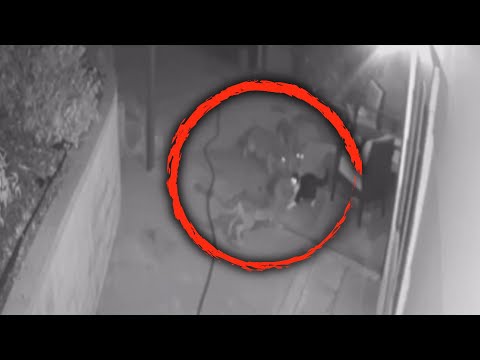
Protecting your cat from coyotes means knowing when the risk is highest and using a few smart tricks.
You can lower the danger by limiting your cat’s outdoor time, giving them a secure spot to play, and using tools to keep coyotes away.
Best Practices for Protecting Outdoor Cats
If your cat goes outside, keep outings short—especially at dawn and dusk when coyotes are out hunting.
Don’t leave your cat outside alone. It’s safest to keep cats indoors at night since that’s when coyotes are most active.
Some people think dogs scare away coyotes, but you shouldn’t count on it. Coyotes can still show up.
Make your yard safer with fences at least 6 feet high, and fix any gaps or holes.
If you hear about coyote sightings nearby, supervise your cat even more or just keep them indoors.
Creating Safe Outdoor Spaces
Want your cat to enjoy the outdoors safely? Try building or buying a catio—that’s a fenced outdoor enclosure just for cats.
Catios keep your cat safe from coyotes but still let them get fresh air and sunshine.
Add climbing posts or hiding spots inside, so your cat has places to escape or chill. Make sure the catio has a roof or tall sides, since coyotes can jump pretty high.
That way, your cat gets a taste of nature without all the danger.
Effective Coyote Deterrents and Products
Try using coyote repellent lights or motion-activated sprinklers to keep coyotes out of your yard. Those bright, flashing lights tend to freak coyotes out, and sprinklers kick on as soon as they sense movement.
You might want to add some noise devices or toss out scents that coyotes can’t stand. Pair these with sturdy fencing, and definitely make sure you’re not leaving any food outside.
Skip traps or poisons—they can hurt your cat or other animals by accident. Instead, stick with gentle deterrents and focus on making your yard a safer spot for your cat.


