
If you have a cat or dog, you’ve probably worried about coyotes at some point. Yes, coyotes can and do eat both cats and dogs, especially smaller pets under 50 pounds. Attacks aren’t super common, but they happen often enough that it’s smart to understand the risks and know how to protect your furry buddies.

Coyotes usually hunt smaller animals like rabbits and rodents. When food gets scarce, though, they start seeing cats and small dogs as easy targets.
If you want to keep your pets safe, you need to know when coyotes are most active and what draws them near your home.
Learning a bit about coyote behavior can make a big difference. With a few simple changes, you can really lower the chances of a run-in with a coyote.
Will a Coyote Eat a Cat or Dog?
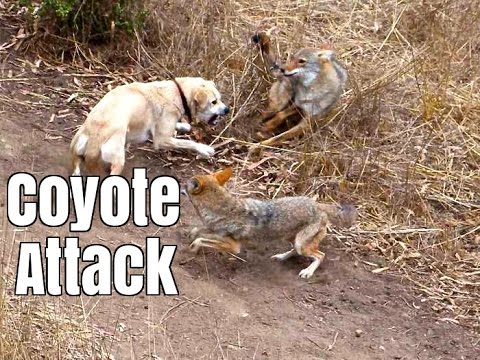
Coyotes do pose a threat to pets, especially cats and small dogs. If you know how often attacks happen, which pets are most at risk, and how coyotes hunt, you can keep your animals safer.
How Often Coyotes Attack Cats and Dogs
Coyotes attack cats and dogs, but it doesn’t happen every day. They mostly eat small animals like rodents, rabbits, and squirrels.
When food is tough to find—especially in cities or suburbs—they might hunt pets. Outdoor cats and small dogs face the most risk because they’re easy targets.
A lot of coyote attacks go unreported, so the real number might be higher than you think. Attacks happen more often in breeding season, which runs from January to March, when coyotes get hungrier and bolder.
Which Pets Are Most at Risk
Small dogs under 50 pounds and outdoor cats face the most danger. Cats that roam or feral cats hanging around your yard can attract coyotes.
Dogs left outside alone or tied up can’t defend themselves or get away quickly. Larger dogs usually scare off coyotes, but honestly, any pet alone outside—especially at night or early morning—could be in trouble.
If you keep cats indoors, walk dogs on a leash, and avoid leaving pet food outside, you’ll make your home less appealing to coyotes.
How Coyotes Hunt and Kill Cats and Dogs
Coyotes hunt with a lot of patience and cleverness. They’re most active at dawn, dusk, and during the night.
They creep up quietly, trying to surprise their prey. Coyotes stalk cats or small dogs slowly, then lunge in with quick bites.
They usually go after animals small enough to handle alone. Sometimes, a pair of coyotes will hunt together, especially if they’re raising pups.
Coyotes try to kill quickly so they don’t attract other predators. If a coyote attacks your pet, the injuries can be pretty serious.
You can scare off coyotes by making loud noises, shining lights, or spraying water if you see one too close. Keeping them afraid of people helps protect your pets.
For more about coyote behavior and keeping pets safe, check out this page on coyote attacks and pet protection.
How to Protect Your Pets from Coyotes

Coyotes can be a real problem for pet owners, especially if you have cats or small dogs. You can keep pets safer by controlling where they go, making your yard less attractive to coyotes, and working with your neighbors.
Keeping Cats and Dogs Indoors
Keeping cats and small dogs indoors is one of the best ways to protect them, especially at dawn, dusk, and nighttime when coyotes roam most.
If your cat loves to explore, you might want to build a secure outdoor enclosure—a “catio,” as some folks call it. This lets your cat get fresh air and exercise, but without the danger.
For dogs, don’t let them roam free in yards without fences. Be careful with dog doors, too—coyotes have been known to sneak in through them.
Your pets’ safety really starts with how much you control their time and space outside.
Outdoor Safety Tips for Pet Owners
When you walk your dog, stick to well-lit, open areas. Avoid wooded edges where coyotes might hide.
Always use a short leash and bring a flashlight if you’re out during low light. If your dog tries to chase a coyote, use a firm “stay” to stop them.
Never let your pet run loose where coyotes are common. Some owners install coyote rollers on fences—these spin and make it hard for coyotes to climb over.
Adding a barrier like this can help keep predators out of your yard.
Reducing Coyote Attractants on Your Property
Coyotes come closer to homes when they find easy food. Secure your garbage in cans with locking lids or keep them in a shed or garage.
Don’t leave pet food outside, and clean up fallen fruit or birdseed—these can attract coyotes, too. If you have chickens or small livestock, make sure you keep them safely enclosed.
Keep your yard tidy by removing brush piles and cutting the grass short. That way, coyotes and other wildlife have fewer places to hide.
Neighborhood and Wildlife Management Strategies
If you team up with your neighbors, you can actually cut down on coyote problems around your block. Swapping tips about keeping yards tidy or making sure pets stay safe? That goes a long way toward building a safer place for everyone.
Try reaching out to your local wildlife management or animal control folks. They usually know what’s going on with coyote activity and can give you some solid advice. Sometimes, they even run educational programs or have ideas for keeping coyotes at bay.
Some communities use hazing tricks—like making a racket or flashing lights—to chase coyotes off. That way, the animals don’t get too comfortable hanging out near people’s houses.


