
Ever wondered if coyotes really keep their distance from people? Well, it mostly depends on how much interaction they’ve had with humans.
Most of the time, coyotes act skittish and dart away when they spot someone. They see us as a threat and would rather not get too close.

But in cities or suburbs, some coyotes get used to people—especially when they find food near homes or someone feeds them. Those ones can get a bit too bold for comfort.
Understanding how coyotes typically behave can help you avoid unwanted run-ins. If you know what draws them in or pushes them away, you’ll be more prepared if one pops up nearby.
Do Coyotes Stay Away from Humans?

Coyotes usually steer clear of people. Still, sometimes you might spot them closer than you’d expect.
Their behavior around us depends on how they feel and what’s going on nearby.
Natural Wariness and Typical Coyote Behavior
Coyotes tend to be shy. If they see you, they’ll often bolt.
Out in rural areas, they hunt wild animals and avoid people. In cities, you might see them more, but they still try not to get too close.
Most coyotes won’t come near your home if they know you’re around. They like quiet spots where they can hunt without trouble.
If you’re outside with pets or making noise, that usually keeps them away.
When Coyotes Lose Their Fear of People
Sometimes, coyotes stop acting afraid of people. This mostly happens when folks feed them, even by accident.
When coyotes figure out that humans mean food, they can start acting bold. If you see one hanging around calmly, it’s probably used to people.
Those coyotes might not run and could even act aggressive. In that case, try yelling or making loud noises to scare it off.
If a coyote keeps coming back or acts too bold, report it to animal control.
Factors That Influence Coyote Proximity to Humans
Several things draw coyotes closer to homes and people:
- Food sources: Left out pet food or garbage attracts them.
- Time of day: Coyotes get active at night and use darkness to move around.
- Habitat: In cities and suburbs, less wild prey means they roam closer.
- Season: When they’re raising pups, they stick near dens and may defend their area more.
If you know what brings them around, you can make your place less inviting. Remove food and stay alert when they’re active to keep sightings down.
For more details, check out Will a Coyote Run Away from a Human?
How to Keep Coyotes Away and Respond Safely
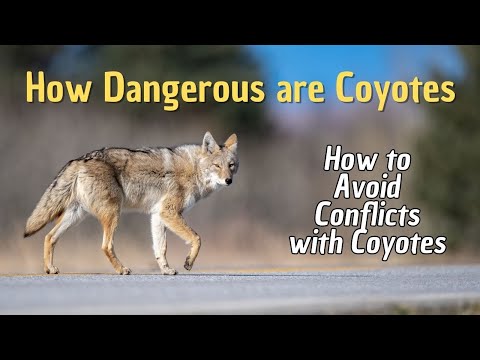
You can protect your home and pets by using a few simple tricks to keep coyotes away. It’s also good to know when to call animal control and how your neighbors can help out.
Proven Deterrence Techniques for Coyotes
Start with a fence at least 7 feet high, and bury it about a foot underground so coyotes can’t dig under. Use smooth materials so they can’t climb over.
Pick up pet food, garbage, and fallen fruit. Clean your yard often and make sure trash cans are sealed tight.
Trim shrubs and mow the grass to cut down on hiding spots.
Motion-activated sprinklers or lights can work wonders. They’ll surprise coyotes with water or a bright flash, which usually scares them off.
If you see a coyote nearby, bang pots, clap, or blow a whistle to make it think twice.
Role of Animal Control and Wildlife Authorities
If you spot a coyote acting aggressive or see them often, call animal control right away. In Illinois, the Department of Natural Resources can help or give advice.
Animal control officers handle dangerous coyotes and know local laws. They’ll remove a coyote if it’s a real threat.
Don’t try to deal with an aggressive coyote yourself. Let the pros handle it so everyone stays safe.
Community Efforts and Reporting Aggressive Coyotes
Talk with your neighbors. If you notice coyote activity, let folks know so everyone can keep an eye out.
If you see a coyote acting aggressive, call your local animal control or wildlife agency. They can track which coyotes cause trouble and decide what to do next.
Try to organize a community cleanup. Picking up food waste and clearing out places where coyotes might hide can really help.
When everyone pitches in, your neighborhood feels less inviting to coyotes—and honestly, it’s safer for people too.
Want more ideas? Check out this guide on effective methods to protect your property.


