
Coyotes do attack humans sometimes, but honestly, it doesn’t happen that often. Most run-ins don’t lead to much harm, though since the 1970s, people have reported over 400 attacks across North America.
Most attacks only cause minor injuries, but at least one fatality has been confirmed.
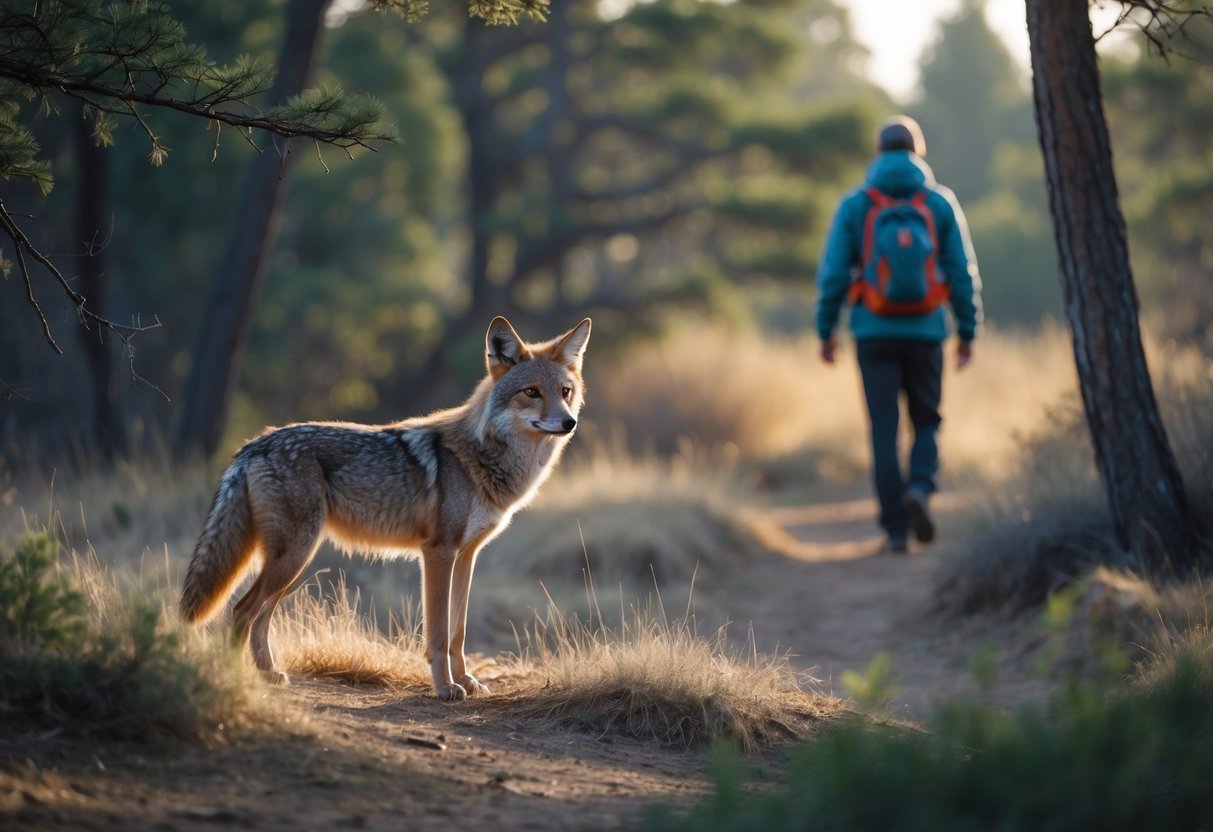
You might be surprised, but coyote attacks have actually become more common in cities as these animals get used to living around people. Kids and pets face higher risks, so it’s smart to know what to look out for and how to keep yourself safe.
Ever wondered if coyotes are truly dangerous or just another wild animal to steer clear of? This article lays out the facts.
You’ll get a sense of how often attacks really happen—and why—so you can feel a bit more confident when you’re outdoors.
Have Coyotes Ever Attacked Humans?

Coyotes have attacked people, but it’s rare. When attacks do occur, they differ in seriousness and motive.
Knowing what’s happened before and understanding why coyotes might act out helps you stay safer around them.
Documented Cases of Coyote Attacks
From 1977 to 2015, people reported 367 coyote attacks on humans in the US and Canada. These incidents involved 348 victims, including both adults and children.
Attacks happen more often where cities meet wild places, especially in California.
Coyotes often attack because they’ve gotten used to people or are just curious. Children get targeted more often during predatory attacks.
Coyotes usually don’t want to hurt people, but they might bite if they feel trapped or threatened.
Fatal Coyote Attacks on Humans
Fatal coyote attacks are almost unheard of. The first time a coyote killed an adult happened in 2009, when a hiker was attacked in North America.
This event was really unusual.
Most coyotes steer clear of people and don’t see us as prey. When deadly attacks occur, strange coyote behavior or territorial defense often play a part.
Understanding Coyote Aggression
Coyotes act cautious or defensive because they’re wild animals. Sometimes, aggression crops up when coyotes lose their fear of people—usually because someone fed them or left food out.
That’s called “habituation,” and it makes attacks more likely.
Aggression comes in two main types: predatory or investigative. Predatory attacks mean the coyote sees you as food.
Investigative attacks happen when a coyote bites to figure something out or to protect itself.
You can cut your risk by never feeding coyotes and keeping your distance.
Learning about how coyotes behave helps you decide what to do if you run into one and keeps your family safer.
If you want more details, check out coyote attacks on humans in the US and Canada.
What Causes Coyote Attacks and How to Stay Safe
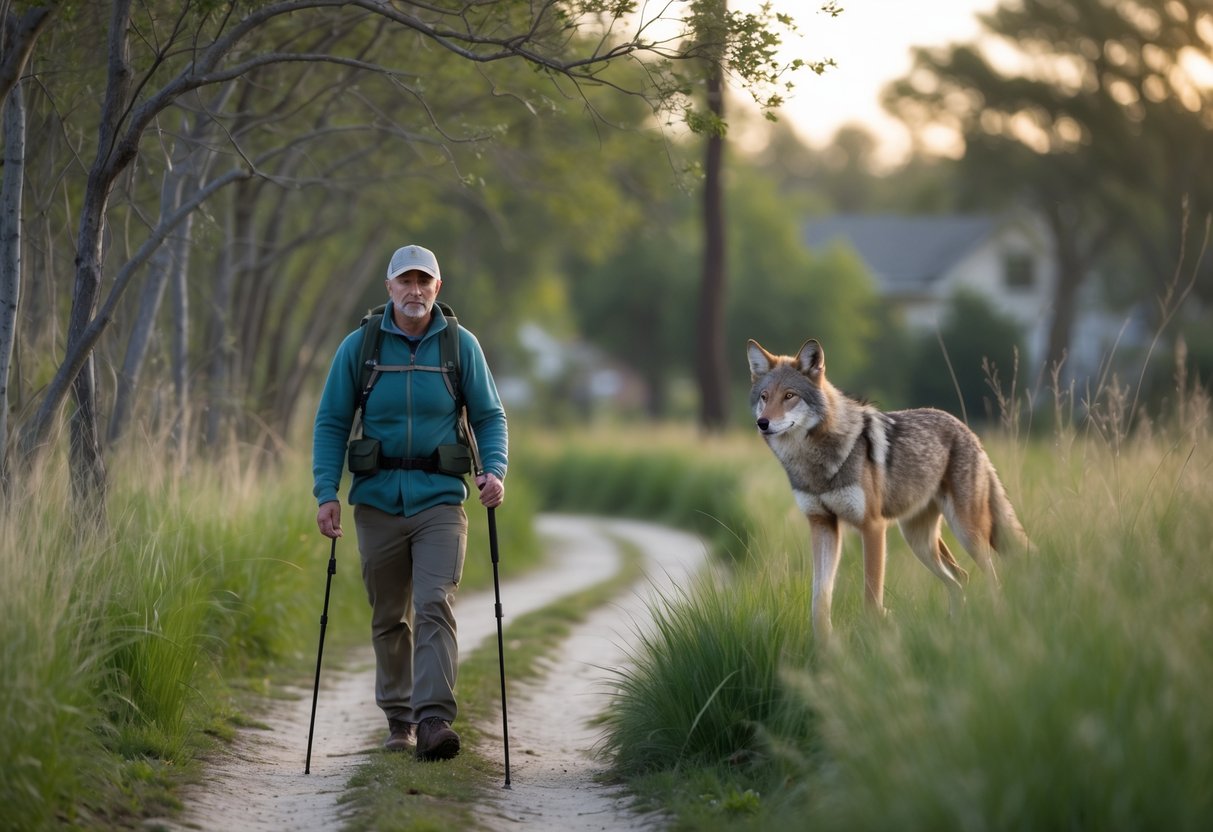
Coyotes usually stay away from people, but certain things can change their behavior. Understanding what triggers coyote aggression and how they adapt to living near humans can help you avoid trouble.
Habituation and Food Conditioning
When coyotes get used to people and start seeing humans as a source of food, they lose their natural fear. We call this habituation.
If you or your neighbors feed coyotes, leave pet food out, or don’t secure the trash, you’re basically inviting coyotes to come closer.
Feeding coyotes encourages them to hang around and even act pushy if they expect food and don’t get it. This food conditioning makes attacks more likely.
To stay safe, never feed coyotes and keep your trash tightly closed. Removing easy food options keeps coyotes wild and helps prevent run-ins.
Coyote Behavior in Urban and Wild Areas
Coyotes are clever and adapt well to both cities and rural places. In cities, they find food easily and use parks, golf courses, and green spaces to move around.
Urban coyotes might show up during the day because they adjust to human routines.
In wild areas, coyotes avoid people and mostly come out at dawn and dusk. If they feel threatened or sick, though, they can act aggressive.
Keep a safe distance and don’t run from a coyote if you see one. Knowing how coyotes act in your area helps you avoid surprises.
Coyote Territory and Human Encounters
Coyotes protect their territory, especially during breeding and when raising pups from April to July. If you accidentally get near a den, they might get defensive and try to scare you off.
Be extra careful near forests, parks, or greenbelts—those are prime coyote spots. Keep pets on a leash and avoid walking near thick brush or known den sites.
If you live close to coyote territory, secure your yard and don’t let pets roam free. That’s the best way to avoid unwanted encounters.
Responding to Coyote Sightings
Spotting a coyote nearby? Try not to panic. Don’t run, since that might just make them want to chase you.
Stand tall and wave your arms. Shout or make loud noises—really, don’t be shy about it. Carrying a whistle or noisemaker can work wonders, too.
If the coyote comes closer, back away slowly. Never turn your back on it.
Keep kids and pets close. Remind your family to act confidently around coyotes, and definitely don’t feed or approach them.
That way, you’ll lower the chances of any trouble and keep everyone safer.
Want more info? Check out what to do if you see a coyote.


