
Ever wondered just how powerful a coyote’s bite really is? You’re definitely not the only one.
Coyotes get a reputation for being clever and quick, but honestly, their bite strength might catch you off guard. A coyote’s bite force usually ranges from about 150 to 500 pounds per square inch (PSI)—that’s strong enough to break bones and take down prey.
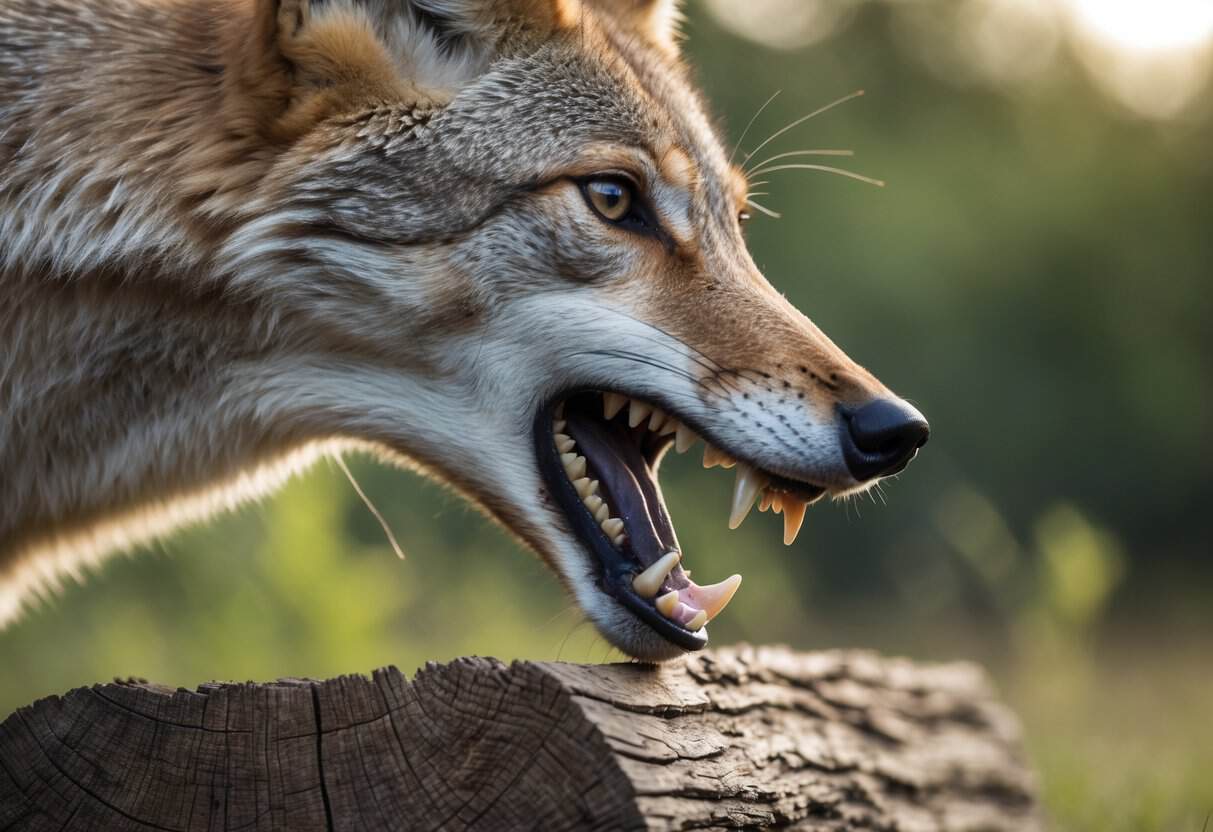
Sure, this bite isn’t as strong as what you’d find in bigger predators like wolves or mountain lions. Still, it’s pretty impressive for an animal their size.
If you live where coyotes roam, it’s good to know just how dangerous their bite can be. That knowledge might help you feel a bit more prepared.
Let’s dive into what makes a coyote’s bite so effective and see how it stacks up against other animals. There’s also the question of why their bite strength matters, especially if you’re thinking about safety for yourself or your pets.
Coyote Bite Force: How Strong Is It?
Coyotes bite hard enough to catch and kill prey, though their bite isn’t the strongest in the wild. Their bite force changes based on size, diet, and genetics.
Knowing these details can help you understand how dangerous a coyote really is. It also gives you a way to compare them to other animals out there.
Bite Pressure in Pounds Per Square Inch
Most coyotes bite with a force between 88 and 150 pounds per square inch (PSI). Some folks say it can go up to 200 PSI, but most studies stick with the lower numbers.
A human bite averages about 162 PSI, so coyotes aren’t far off. They’ve got jaws built to crush bones and rip flesh, which lets them hunt smaller mammals and birds.
Researchers measure bite force by putting pressure sensors between a coyote’s jaws and recording how hard they can bite down.
Comparison to Other Wild Animals
Coyotes bite hard, but bigger predators outclass them. For example:
- Gray wolves: Around 400 PSI or more.
- Mountain lions: About 350 PSI.
- Hyenas: Up to 1,100 PSI.
Domestic dogs average about 320 PSI, so coyotes bite a bit weaker. Still, their sharp teeth and quick moves make them great hunters.
Coyotes don’t top the food chain, but their speed and ability to work together let them thrive. Even with a moderate bite force, they do just fine.
Influencing Factors: Size, Diet, and Genetics
A coyote’s bite strength can really vary. Bigger, older coyotes bite harder because their jaw muscles are more developed.
Diet matters too. If a coyote regularly eats bones or tough food, its jaws get stronger. If not, their bite stays weaker.
Some coyotes are just born with bigger skulls or stronger jaws. Genetics definitely play a part.
Even where they live makes a difference. Coyotes in rougher terrain or with better access to food tend to build up stronger jaw muscles.
The Role of Coyote Bite in Wildlife and Ecosystems
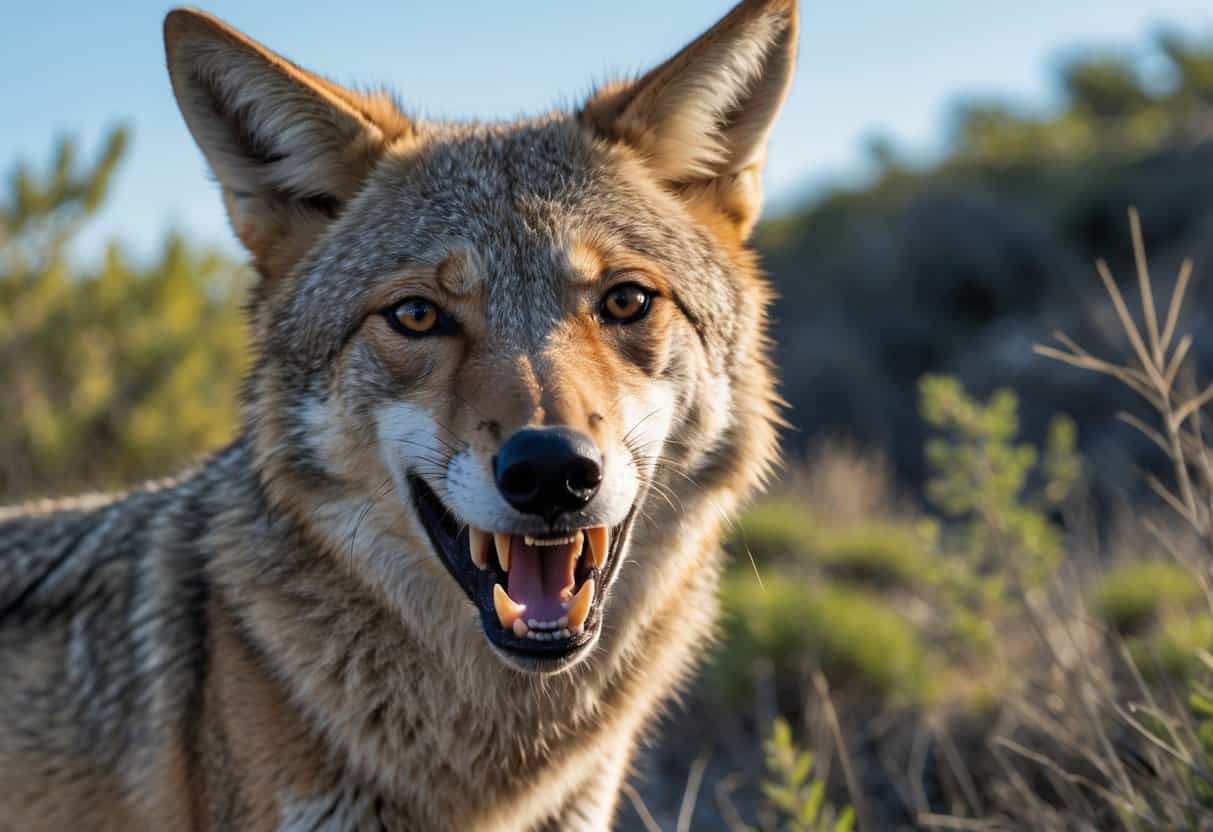
Coyotes use their bite in all sorts of ways that affect nature and the animals around them. Their jaws help them catch food, defend themselves, and shape the balance in their habitats.
Understanding how their bite works might help you see why coyotes matter so much in the wild.
How Coyotes Use Their Powerful Jaws
Coyotes rely on strong jaws and sharp teeth to catch and kill prey. Their bite force—about 88 PSI—lets them grab small animals like rabbits or birds and hold on tight.
They crush bones and rip flesh with their teeth, which means they can eat everything from rodents to insects, and even plants if they have to.
Their jaws also help them fight off other predators or threats. Sometimes you’ll spot a coyote using its teeth to carry food or fend off a rival.
Their bite is really their main survival tool out there.
Impacts on Prey and Predator Behavior
Coyote bite strength changes how other animals act around them. Small creatures like squirrels or rabbits stay on high alert to avoid getting caught.
Coyotes usually go for quick kills, which helps keep prey populations under control.
They’re hunters and scavengers, so their bite plays a part in cleaning up the wild. When they eat dead animals, it helps stop disease from spreading and keeps the ecosystem healthier.
Other predators pay attention to coyotes too. When coyotes defend their territory, their strong bite can scare off bigger animals, which changes how predators share the space.
Coyote Bite and Human-Wildlife Interactions
Coyotes usually steer clear of people, but if they feel threatened or cornered, they might bite—and that can be pretty dangerous. Their bite packs enough force to break bones, so it’s not something to brush off.
Don’t leave food out or feed coyotes if you want to keep risks low. It’s also smart to keep pets, especially smaller ones, close by. Coyotes often see them as easy targets.
If you ever run into a coyote, try making loud noises and back away slowly. That often scares them off.
Learning a bit about how coyotes behave and what their bite can do really helps you stay safe.
For more on coyote bite force and safety tips, check out coyote bite force: how strong are these wild canines?


