
Ever hear rustling in the bushes or spot a coyote not too far off? You might wonder if that wild animal feels nervous around your dog.
Coyotes usually act pretty cautious around dogs, especially the bigger ones, and they’ll avoid a fight if they can. Still, how they react really depends on your dog’s size and attitude, plus whether the coyote feels hungry or protective.
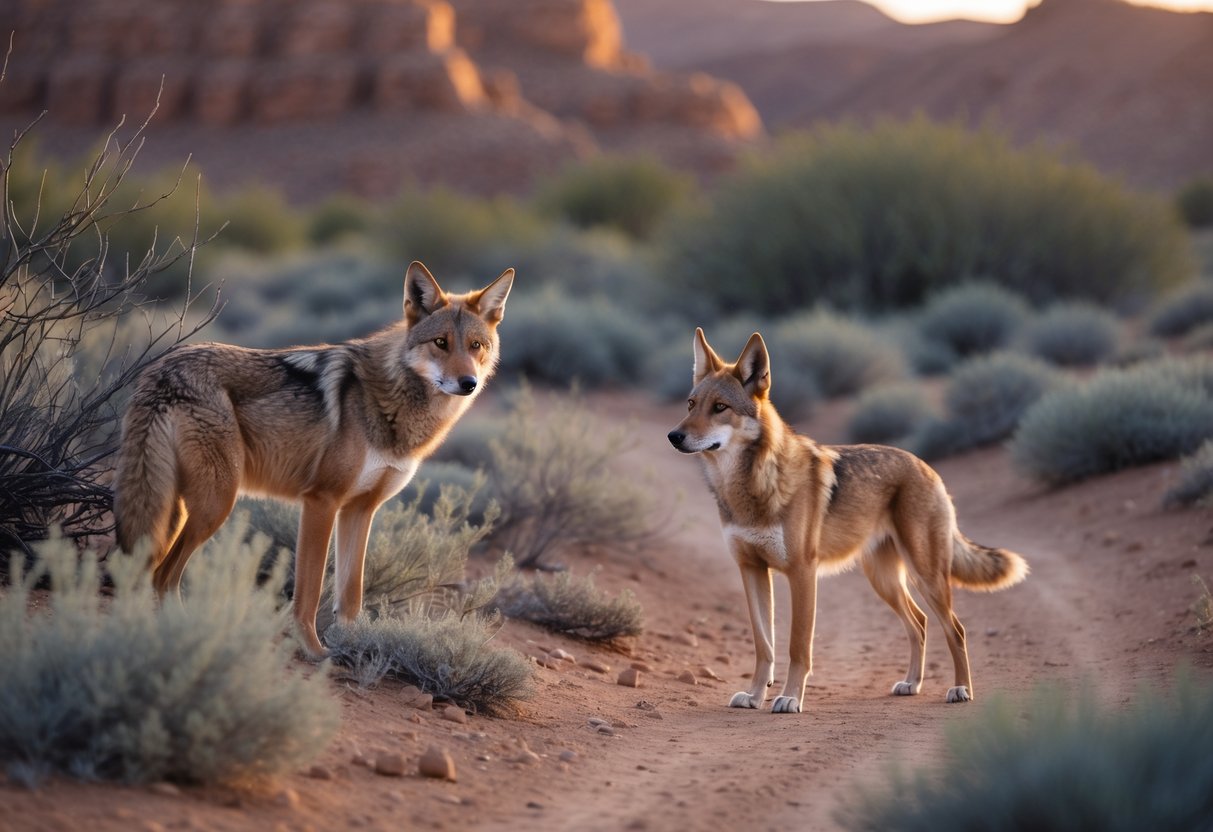
If you have a small dog, a coyote probably won’t see it as a threat and might get a little bold. Bigger dogs, though? Coyotes usually steer clear or just bolt.
Knowing these habits can help you keep your pet safe, especially if you live somewhere coyotes like to hang out.
Are Coyotes Afraid of Dogs?

Most of the time, coyotes try to avoid dogs. Their reaction shifts a lot depending on your dog’s size and how it behaves.
Sometimes, if they feel threatened or think their territory’s at risk, coyotes can get a little aggressive. It’s good to know this stuff so you can keep your dog out of trouble when coyotes are around.
How Coyotes React to Different Dog Sizes
Coyotes see small dogs—under 20 pounds—as easy targets. They’ll act bolder around these little guys, and honestly, small dogs are at higher risk since coyotes may treat them like prey, especially if the dog looks scared.
Medium dogs, in the 20-50 pound range, aren’t as likely to get attacked. Coyotes might see them as rivals, though, and try to scare them off with growls or bluff charges.
Big dogs—think over 50 pounds, like mastiffs—usually intimidate coyotes. The size difference makes coyotes back off or act defensive, since picking a fight wouldn’t end well for them.
When Coyotes May Become Aggressive
Coyotes can get aggressive if they feel threatened or trapped. This happens a lot when dogs wander too close to coyote dens or pups, especially during spring and summer breeding season.
Aggression also pops up if a dog gets into a coyote’s food territory. If a coyote has rabies, their behavior can get unpredictable and dangerous.
Sometimes, coyotes attack small dogs they see as prey or if they’ve gotten used to people and lost their usual fear.
Territorial Behavior and Encounters
Coyotes mark their turf and defend it, especially when they’re breeding or raising pups. If your dog wanders into this area, coyotes might warn it off with yips, growls, or aggressive stances.
Usually, coyotes avoid fighting by bluffing, barking, or just taking off. But if they feel cornered or really threatened, they’ll stand their ground.
If you know where coyotes hang out, it makes sense to steer clear with your dog and avoid risky run-ins.
Coyotes and Big Dog Breeds
Big breeds like mastiffs, German Shepherds, or Anatolian Shepherds tend to scare off coyotes by just being there.
Coyotes view these dogs as serious threats because of their size and presence. The big dogs usually don’t need to do much—just existing is enough to keep coyotes away.
If you walk a large dog in coyote territory, keeping it confident and on-leash helps a lot.
Coydogs (coyote-dog hybrids) can act more aggressive, but even then, most coyotes don’t mess with big, strong dogs.
Coyote Attacks on Dogs and Safety Tips

Coyotes usually steer clear of people, but they can pose a real danger to dogs, especially the little ones. It helps to know when the risks go up and how you can keep your dog safe at home.
Stuff like coyote-proof fencing or motion-sensor lights can lower the odds of an attack.
Situations That Increase Risk
Coyotes tend to be most active around dawn and dusk. Not great, since that’s when a lot of folks walk their dogs.
You’re more likely to spot coyotes near woods or places where wild animals and neighborhoods mix. Between April and August, coyotes hunt more to feed their pups, so encounters go up.
Small or unsupervised dogs are easier targets. If your dog is off-leash or left outside alone, coyotes might see it as prey.
Unspayed or unneutered dogs can attract coyotes, too, thanks to mating instincts. High coyote activity in your area just ups the risk even more.
Protecting Your Dog at Home
Keeping your yard secure is a big deal. A sturdy, coyote-proof fence about six feet tall, maybe with coyote rollers on top, can help a lot.
Seal up bushes or underbrush where coyotes might hide. Take away food sources by locking up garbage cans and not leaving pet food outside.
Motion-sensor lights can scare off coyotes after dark. Always keep an eye on your dog when it’s outside, even if your yard feels safe.
A coyote vest adds another layer of protection against bites, just in case.
Prevention Tools and Deterrents
When you walk your dog, keep them on a leash. Try to steer clear of spots with thick brush or dense cover—coyotes love to hide there.
If you’re out early or late, bring a flashlight or something bright. Sometimes, making loud noises like clapping or blasting an air horn can startle coyotes and send them running.
If you keep seeing coyotes near your home, call animal control. Don’t feed wildlife or leave pet waste around, since that stuff attracts coyotes fast.
Check your fences and yard pretty often. If you spot any gaps or holes, fix them before a coyote finds its way in.


