
Ever wondered what really threatens a coyote the most? You’re definitely not alone.
Coyotes—scientifically known as Canis latrans and sometimes called prairie wolves, brush wolves, or even American jackals—show an amazing knack for adapting across North and Central America.
But here’s the thing: their biggest enemy isn’t a wild animal out there in the brush.
Honestly, it’s us—human activity puts coyotes in far more danger than natural predators like mountain lions or wolves ever could.
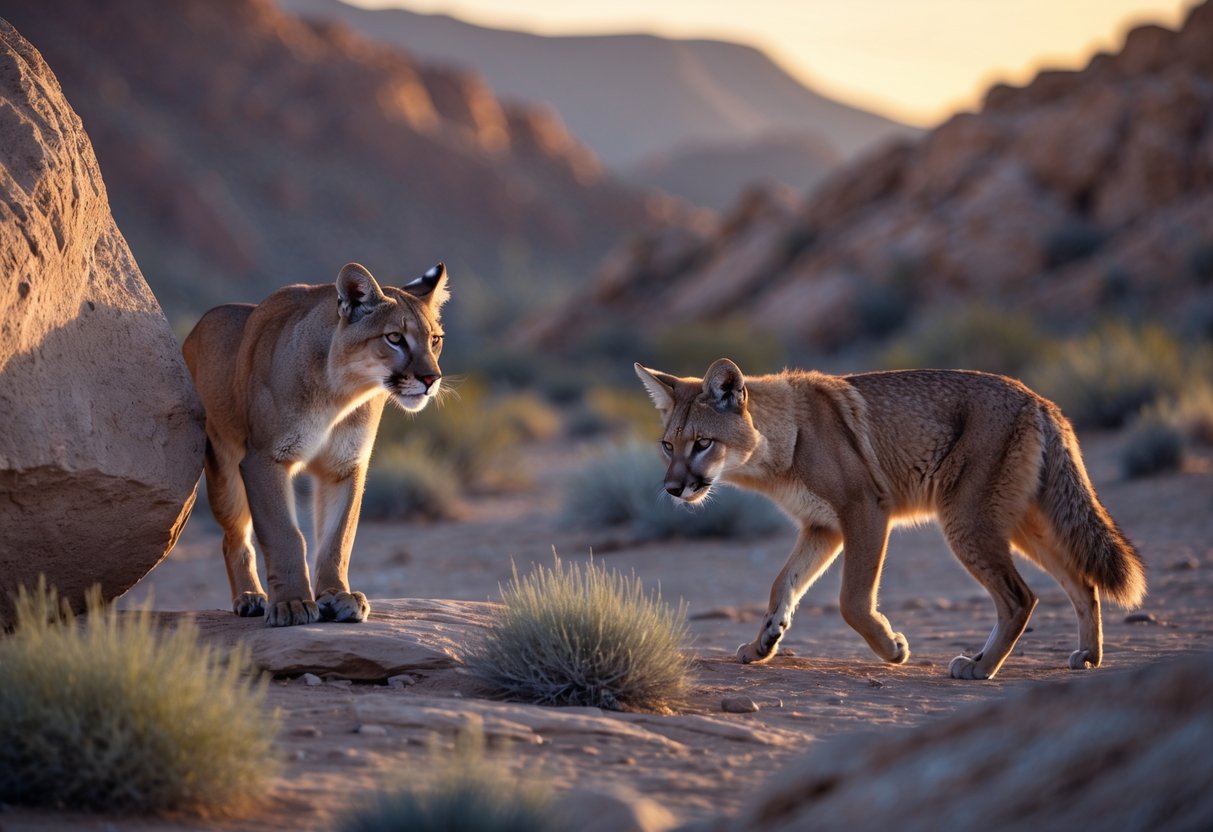
Coyotes don’t just dodge larger predators; they have to deal with habitat loss, hunting, and the constant risk of getting hit by cars.
These daily struggles shape how they survive.
It’s kind of eye-opening, right?
When you look at the way humans change the landscape, it’s clear why protecting wild spaces matters for animals like coyotes.
Who or What Is the Coyote’s Biggest Enemy?

Coyotes deal with dangers from both natural predators and people.
It’s worth thinking about how these threats shape their lives, and how coyotes keep finding new ways to survive.
Whether they live in cities or the wild, coyotes face a lot of different hurdles every single day.
Impact of Human Activities on Coyote Survival
People end up as coyotes’ biggest enemy, hands down.
Hunting, trapping, and poisoning can reduce their numbers fast.
Roads? Those are a huge hazard.
Coyotes get hit by cars all the time, especially near cities.
When cities and farms expand, they break up coyote habitats.
Coyotes then move into towns more often, searching for food.
That’s when you start seeing more conflicts—coyotes go after pets or dig through trash.
Sometimes, wildlife control teams try to cut down coyote numbers in cities.
Ironically, this can mess up coyote social groups and actually increase run-ins with people.
If we protect natural areas and use non-lethal ways to manage coyotes, we can avoid a lot of these problems.
Natural Predators and the Food Chain
Coyotes do have a few wild enemies.
Mountain lions are the main predators that hunt them, mostly going after the young or weak.
Wolves fight coyotes for food and space, which leads to some pretty intense clashes.
Bears can threaten coyotes too, but most of the time, coyotes steer clear of bears.
Sometimes, coyotes battle each other over territory or food.
Even though these wild predators matter, they don’t cause as much trouble as humans do.
Coyotes have figured out how to dodge or deal with most animal threats, but when it comes to habitat loss and hunting, they struggle a lot more.
If you’re curious, check out Unveiling the Coyote’s Arch-Nemesis for more on how humans impact coyote survival.
Coyote Predators in the Wild
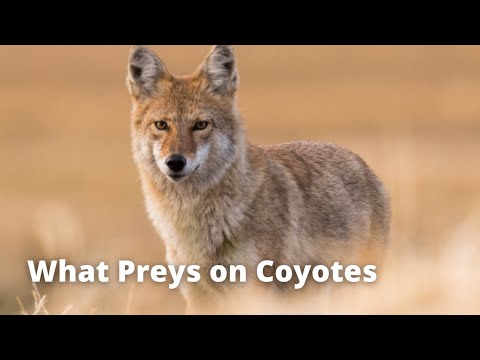
Coyotes have to watch out for several wild enemies.
Predators compete for food, territory, or sometimes just hunt coyotes as part of the food chain.
Depending on where you look, you’ll see big mammals, birds, and even reptiles putting pressure on coyote populations.
Gray Wolves: Fierce Competitors
Gray wolves stand out as one of the biggest threats.
Wolves hunt and live in packs, so they easily overpower a lone coyote.
When their territories overlap, wolves usually drive coyotes away to cut down food competition.
Wolves mainly chase large prey like elk and deer, but they’ll kill coyotes if they have to.
Coyotes have to stay sharp around wolf packs.
In some places, eastern wolves also compete with coyotes, making things even tougher.
Because wolves control so much territory, coyotes sometimes change their habits or move out to avoid them.
This rivalry really shapes how coyotes live in the wild.
Cougars and Mountain Lions: Apex Threats
Cougars, or mountain lions, are top-tier hunters and a real danger to coyotes.
They’re all about stealth and surprise, often sneaking up from behind.
When they strike, they go for a quick takedown.
These big cats don’t hunt coyotes all the time, but when food is scarce, they’ll go for it.
Coyotes are fast and clever, so they don’t make easy prey.
Mountain lions share a lot of the same territory as coyotes—think forests, mountains, and remote areas.
Because cougars are ambush experts, coyotes have to stay alert.
Unlike some other predators, cougars want fresh meat, so they rarely scavenge.
Bears, Bobcats, and Wolverines
Bears can be a serious threat, but it’s usually when they’re hungry or protecting food.
Both grizzly and black bears sometimes kill coyotes, and they’ll scavenge coyote carcasses if they find them.
Bobcats and wolverines don’t hunt coyotes often, but they can be dangerous—especially to young or injured ones.
Bobcats usually go after smaller prey but will attack a coyote if the opportunity comes up.
Wolverines, known for being tough, occasionally hunt coyotes in forests or tundra.
While these animals aren’t the main threat, they help keep coyote numbers in check and play their part in balancing the ecosystem.
Risks from Golden Eagles, American Alligators, and Other Coyotes
Some coyote predators honestly come from places you might not expect.
Golden eagles swoop down to snatch young or small coyotes, using those crazy-strong talons and sharp eyesight. Adult coyotes usually avoid them, but pups? They’re easy pickings.
American alligators lurk in southern U.S. wetlands, waiting for coyotes that wander too close to the water. They grab coyotes with those massive jaws and pull them under—there’s really no way out once that happens.
Even other coyotes can turn into threats. Sometimes, coyotes fight over territory or mates. These battles can get rough, and some coyotes end up injured or worse.
Coydogs, which are part coyote and part dog, also pop up in some areas. They mix things up by changing coyote behavior and populations.
So, it’s clear coyotes have to deal with a lot out there.
For more on coyote predators, check out what eats coyotes at Ranger Planet.


