
Ever wonder if a human could really beat a coyote in a fight? You’re definitely not the only one who’s thought about it.
Coyotes aren’t huge, but they’re quick, and those teeth and claws? Nasty business. Still, if you’re a healthy adult and it’s just you and one coyote, you’ve got a solid shot at fending it off or even winning.

Most coyotes want nothing to do with fighting humans. They’d rather bail out than stick around.
Your size and strength, plus the fact you can grab a stick or rock, can really tip things in your favor. Knowing what to do matters a lot if you ever end up facing one.
If you understand when you’re at risk and how coyotes act, you can keep yourself safer. So, what do you actually do if a coyote gets aggressive? Let’s get into it.
Can a Human Win Against a Coyote?

Humans and coyotes have totally different strengths. Your chances really depend on your size, the situation, and how you both behave.
Getting a handle on these details can help you stay out of trouble.
Physical Capabilities: Human vs. Coyote
Most adults have a size advantage over coyotes. If you weigh 150 to 200 pounds, you’re a lot heavier than a typical coyote, which usually weighs just 25 to 45 pounds.
That’s a big difference in strength.
Coyotes have speed and agility on their side. They can hit over 40 mph in a sprint, while the fastest humans top out at about 28 mph.
Coyotes bite hard enough to break bone, and their claws aren’t just for show. Your hands aren’t really built for fighting, but you can still defend yourself.
If you use your reach and strength, you’ve got a chance. Go for the coyote’s eyes, nose, or throat if you have to fight. If you don’t have any tools, stand tall and make a lot of noise to scare it off.
Real-Life Encounters and Outcomes
People rarely get seriously hurt by coyotes. Most of the time, if you act big and loud, the coyote bolts.
When people have fought off coyotes, it’s almost always just one animal. Adults have scared them away by yelling, waving their arms, or tossing something nearby.
Kids and elderly folks don’t have the same size advantage, so they’re more at risk.
Facing a pack? That’s a different story. A group of coyotes can surround a person fast, so don’t get close to several at once.
Coyote Behavior During Confrontations
Coyotes don’t really want to mess with people. They attack only if they feel trapped, threatened, or if they’re sick.
If a coyote gets aggressive, it’ll usually try to scare you with growls, bared teeth, and stiff body language.
Sometimes, if you startle or trap one, it just panics and runs for it. But if it feels like there’s no way out, it might go all in and fight.
You can usually stop a coyote from getting bolder by standing up straight, shouting, or chucking something its way. That tells the coyote you’re not easy prey.
If you want more details on coyote confrontations, check out this guide on surviving a coyote attack.
Understanding Coyote Attacks and Safety
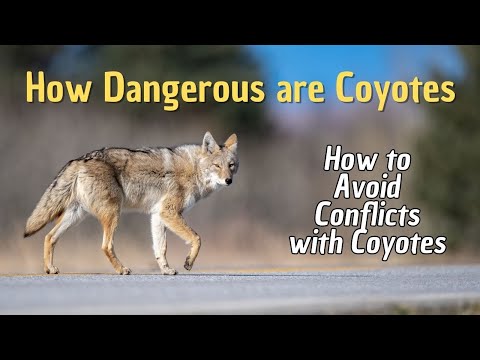
Coyotes hardly ever attack people, but it’s still smart to know when and why it might happen. You should also know what to do if things go sideways.
Frequency and Nature of Coyote Attacks
Coyote attacks on humans barely happen. In the U.S., people report fewer than 10 attacks a year.
Most of those attacks involve coyotes that people fed, so they lost their fear of us.
Kids and small pets get targeted more often. Adults almost never get attacked unless a coyote feels trapped or it’s part of a group.
You might spot coyotes in neighborhoods or parks, especially at dawn or dusk when they’re most active.
Most attacks are quick and meant to scare, not kill. Fatal attacks are extremely rare and usually involve more than one coyote.
Why Coyotes Attack Humans
Coyotes really just want to avoid people. When they do attack, it’s often because:
- They’re hungry and see small pets or kids as food
- They’ve been fed by people before and expect more
- They feel threatened or cornered
- They’re protecting their pups or den
If you surprise a coyote or get close to its territory, it might get defensive. That’s why you should never feed or try to pet one.
Coyotes that get used to people feeding them start acting bolder, and that’s when things get risky.
How to Respond If Attacked
So, a coyote comes at you? Try not to panic, but you’ll need to react quickly. Here’s what you should do:
- Make yourself look big: Throw your arms up, wave them around, open your jacket—whatever works. Yell as loud as you can.
- Fight back: Grab a stick, a rock, or anything handy and get ready to defend yourself.
- Target sensitive areas: Go for the eyes, nose, or throat. That’s usually enough to make most coyotes think twice.
- Don’t run or turn your back: If you do, you’ll probably trigger its chase instinct. Not good.
- Slowly back away: Keep facing the coyote and inch away toward safety.
- Call for help: Shout or make noise—someone nearby might hear and come help out.
Honestly, acting bold and standing your ground makes a huge difference. Coyotes generally don’t want a real fight, and if you look like trouble, they’ll usually back off.


