
Coyotes pop up in all sorts of neighborhoods and parks these days. It’s totally normal to wonder if being around them is safe. Here’s the thing: coyotes almost never attack people, but you’ve still gotta be careful, especially if you’ve got kids or pets. Knowing what to do and what to watch for really makes a difference if you’re sharing space with these wild neighbors.

You don’t need to panic, but respecting coyotes as wild animals just makes sense. If you get familiar with their habits and keep your distance, things usually work out fine.
Learning a few easy tips can help you chill out and keep your family safer when coyotes are nearby. Coyotes sometimes get curious and a bit too bold if people feed them or make them feel at home.
That’s why it’s smart to lock up food and always keep an eye on your pets. Paying attention and using these ideas helps you live safely alongside the wildlife in your area. For more, check out some tips on how to be safe around coyotes.
Risks and Safety When You Encounter Coyotes
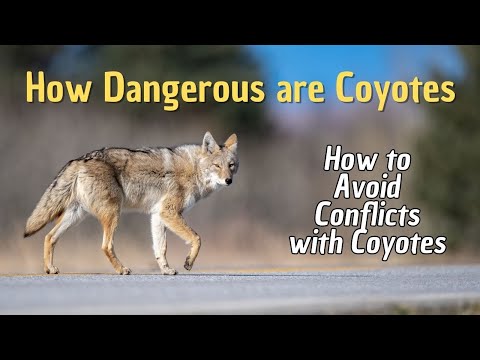
Coyotes usually keep away from people. Still, it’s good to know how to handle things if you spot one.
Watching for anything odd and knowing what to do protects you, your pets, and your family.
How Dangerous Are Coyotes to People
Coyotes almost never attack people. They’d rather avoid humans if they can.
Most attacks happen only if a coyote feels trapped or is trying to protect its pups. But for small pets like cats and little dogs? Coyotes see them as prey.
Keep your pets leashed or indoors, especially at dawn and dusk when coyotes like to roam. If you live in a city, coyotes might come closer if they find food like trash or pet bowls outside.
Don’t feed them or leave food out—coyotes can lose their fear of people pretty fast if they get easy meals.
How to React if You See a Coyote
Stay calm. Don’t run—running just triggers their chase instinct.
Stand tall and make yourself look bigger by raising your arms or opening your jacket. Make noise—yell, clap, bang things together.
Most of the time, that’s enough to send the coyote packing. If it gets too close, toss small objects near it (not at it) to nudge it away.
Keep your pets close and on a short leash. If your pet’s small, pick it up if you can.
Don’t turn your back or crouch down. Instead, back away slowly while facing the coyote. That shows you’re alert and not easy prey.
Signs of Aggressive and Unusual Coyote Behavior
Normally, coyotes avoid people and just walk off if they see you. But if you spot a coyote standing its ground, growling, or snarling, it probably feels threatened or is protecting its space or pups.
Sometimes coyotes “escort” you—following at a distance. That isn’t always aggressive, but it means they’re watching you.
If the coyote comes closer and acts stiff or tense, raise your arms and get loud. If you keep seeing coyotes up close or one shows up in your yard during the day, that’s a red flag.
It might be getting too comfortable around people, which raises the risk. Let local wildlife officials know and lock down any food sources. For more advice, check out staying safe around coyotes.
Practical Tips for Staying Safe Near Coyotes

If you’ve got urban coyotes around, it pays to take a few steps to protect yourself, your pets, and your home.
Knowing how to avoid attracting them—and what to do if you cross paths—makes everyone safer.
Protecting Pets and Property
Your pets, especially small dogs and cats, are most at risk. Always watch your pets outside, particularly at dawn and dusk.
Don’t let them out alone or tie them up—coyotes notice easy targets. Put up a fence at least 6 feet tall, with a foot buried underground to block digging.
Walk your dogs with a collar or harness and leash. Carry a whistle or stick to scare off any coyote that gets too close.
Clear away dense brush or wood piles where coyotes could hide. A tidy yard gives them fewer places to lurk.
Best Practices for Urban Coyote Encounters
If you see a coyote nearby, don’t run or turn your back. Running can trigger their prey drive.
Instead, stand tall, get loud, wave your arms, or toss small stones near them to show you’re not an easy target. Never feed or approach coyotes.
Feeding them just teaches them to come closer, which nobody wants. Report aggressive or bold coyote behavior to local wildlife authorities.
Stay sharp, especially in parks or open areas where coyotes hang out. Keep kids close and don’t let them wander—curiosity can get them into trouble with wildlife.
Reducing Food Sources and Attractants
Coyotes love easy meals, especially in cities and suburbs. You can keep them away by making sure your trash cans have tight lids. Don’t leave pet food sitting outside overnight.
Pick up any fruit that’s fallen from your trees. If you feed birds, try not to do it in spots where seeds and crumbs pile up on the ground. That just brings in rodents, and coyotes are always on the lookout for a snack.
Skip composting meat scraps or dairy—trust me, coyotes will sniff that out fast. Feed your outdoor pets, then bring their bowls inside and wipe up any leftovers.
These habits make your yard way less tempting for wild animals. Your neighbors will probably thank you, too.
If you want more info about coyote safety, check out this urban coyote safety guide.


