
When a coyote stares at you, it’s usually sizing you up—trying to decide if you’re a threat or just something odd in its space.
Coyotes use eye contact to communicate, so if one’s staring straight at you, it’s definitely paying close attention and figuring out its next move.
This doesn’t always spell danger, but it’s a cue to stay calm and keep your wits about you.

You might start to wonder if there’s some deeper meaning behind that piercing look.
Some folks believe a coyote’s stare nudges you to notice the little things in your life, or maybe it’s a hint that something big is coming up.
Whether you take it as a warning or a message, that look is hard to ignore.
It’s pretty normal to feel a bit rattled when a wild animal locks eyes with you.
But if you know why a coyote stares, you can keep your cool and maybe even appreciate the moment.
You’ll pick up on their behavior and figure out what to do next—whether you want to steer clear or just understand what’s happening.
If you want more tips, check out what to do if a coyote stares at you.
Interpreting a Coyote’s Gaze: Meaning and Symbolism

When a coyote locks eyes with you, it can feel a bit intense—and honestly, kind of personal.
That stare often hints at honesty, awareness, and sometimes self-reflection.
If you pay attention to your own reactions, and maybe think about the spiritual side or how this compares to other run-ins with coyotes, you might get a sense of what the animal’s trying to say.
Common Reactions to a Coyote Staring at You
If a coyote stares you down, you might feel uneasy or just plain curious.
Maybe it feels like a warning, or maybe you sense it’s challenging you to face something in your life.
Most people feel a mix of fascination and nerves when they get that wild, alert look.
Your gut might tell you to look away or freeze.
That’s pretty natural—the coyote’s gaze can feel sharp, almost like it’s asking you not to dodge the truth.
Some folks even say they get this weird urge to be more honest with themselves, like the coyote’s holding up a mirror to something they’ve been avoiding.
Spiritual Interpretations and Deeper Messages
Spiritually, a coyote’s stare can invite you to face your truths, even the uncomfortable ones.
This look often signals that it’s time to stop running from stuff you’ve been avoiding—inside or out.
Coyote energy is all about cleverness, adapting, and transformation.
Their stare might nudge you to trust your instincts and roll with change.
It’s a reminder that facing things head-on is usually how you get stronger and wiser.
Sometimes, the coyote’s gaze asks you to spot illusions or false beliefs you’re holding onto.
It’s a prompt to look past surface stuff and pay attention to deeper lessons you might be missing.
Comparison to Other Coyote Encounters
A coyote’s direct stare isn’t quite the same as just spotting one or hearing it howl at night.
When a coyote crosses your path or just pops up for a moment, that usually means new opportunities or changes are around the corner.
But a stare? That feels a lot more personal and urgent.
It’s like the difference between overhearing a conversation and someone speaking directly to you.
If you see a group of coyotes, the message could be about relationships or how you fit in with others.
But if just one coyote stares at you, it’s probably about self-reflection and what you need to pay attention to in your own life.
That makes the gaze a pretty powerful symbol in coyote lore.
For more on this, check out the spiritual interpretations of seeing a coyote during the day.
Cultural, Spiritual, and Practical Contexts of Coyote Encounters
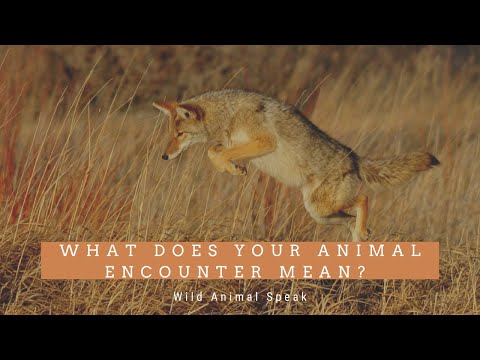
When a coyote looks at you, there’s more going on than just an animal’s stare.
This moment taps into cultural stories, practical safety tips, and sometimes even signs about your own choices.
If you dig into these layers, you’ll probably feel a bit more grounded and aware.
Coyote Symbolism in Different Cultures
Coyotes play special roles in a lot of cultures, especially in Native American traditions.
They often show up as tricksters—clever, mischievous, but also surprisingly wise.
That’s a reminder to balance smart choices with a bit of humility and humor.
In Mexican folklore, people see the coyote as a symbol of survival and resourcefulness.
It’s a nudge to keep pushing forward, even when things get rough.
Some East Asian beliefs connect coyotes with cunning and caution.
If one stares at you, maybe it’s a sign to stay sharp in your everyday life.
You could see the coyote as a sign of change, creativity, or just trusting your gut.
It’s an invitation to stay flexible and open to whatever comes next.
Practical Considerations and Safety When Seeing a Coyote
Coyotes are wild, so your safety comes first if you run into one.
If a coyote stares at you, don’t turn your back or take off running.
Instead, stay calm and make yourself look bigger—raise your arms or open your jacket if you have to.
Don’t feed coyotes or leave food outside, since that just encourages them to come closer to people.
If a coyote crosses your path, give it space.
Watch how it acts to figure out if it’s just wandering by or feeling threatened.
Coyotes usually steer clear of humans, but sometimes their curiosity gets the better of them.
Knowing how to respond helps keep both you and the coyote safe.
Coyote Crossing Your Path: Broader Meanings
When a coyote crosses your path or locks eyes with you, it usually means you’re standing at a turning point in life.
Honestly, this kind of crossing feels like a message—maybe it’s time to look at things differently or get ready to learn something new.
Coyotes really show us how to adapt. Spotting one might push you to tweak your plans and just trust your gut, especially when things get tough.
Their trickster vibe almost dares you to think outside the box and challenge old beliefs. It’s a little reminder to keep things playful, but don’t let your guard down.
Try to notice what’s happening around you and how you feel in that moment. That can clue you in on what kind of change or insight might be headed your way.
If you’re curious about the deeper meanings behind coyotes and their symbolism, you can check out more here.


