
Ever heard someone call another person a coyote? You might wonder if that’s actually meant as an insult. Honestly, it depends. The word can mean a few different things depending on who’s saying it and where.
Sometimes, calling someone a coyote is definitely an insult. People use it to say someone’s being sneaky or dishonest.
But there’s more to it than just being rude. In some places, “coyote” refers to someone who helps immigrants cross borders. That role brings a weird mix of respect, fear, and controversy.
It can be tricky to know if the word’s meant as a compliment or a put-down. Context really matters.
If you’re curious about why people use “coyote” and what it actually means, you’re in the right place. This word has changed a lot, and honestly, it’s not always easy to tell what someone means by it.
Is ‘Coyote’ Used as an Insult?

People use “coyote” in all kinds of ways, and the feeling behind it can shift a lot. Sometimes it’s just slang. Other times, it’s got a negative vibe.
The slang covers everything from describing smugglers to tossing out random insults.
Slang Meanings and Negative Connotations
In slang, “coyote” usually points to someone smuggling people across borders. That job’s tied to danger, crime, and sometimes exploitation.
When folks use “coyote” this way, it’s not really neutral. It hints at risky, maybe even harmful, behavior.
People often throw around “coyote” in a negative way because it’s connected to illegal stuff and the dangers migrants face. So, if you notice it in conversation or media, it’s probably carrying some negative baggage.
Coyote in Terms Like ‘Coyote Ugly’
Maybe you’ve heard the phrase “coyote ugly.” That’s a whole different thing from the smuggler meaning.
This insult usually gets tossed around to describe someone who isn’t attractive, especially after a wild night out. The idea comes from waking up next to someone you wish you hadn’t.
It’s more about awkward or funny social moments than anything criminal or racial. Still, it’s an insult—just a different flavor.
Online and Niche Insult Usages
Online, or in certain groups, “coyote” sometimes pops up as an insult in weird or specific ways. Some people twist the word to jab at others over their background or because of the smuggler connection.
It’s not super common, but the link to smuggling and danger means some folks use it to be hurtful. So, always check the context. The word can shift from friendly to offensive fast, depending on who’s talking.
If you want to dig deeper, you can check out articles about coyote slang and how it shows up in border conversations.
Coyote in Migration and Smuggling Contexts

When people talk about migration between Mexico and the U.S., “coyote” has a pretty specific meaning. It refers to people who help migrants cross the border, usually in secret.
If you look at the history, the roles, and the risks, you’ll get a better sense of how complicated this all is.
Origins of Coyote Slang in Border Contexts
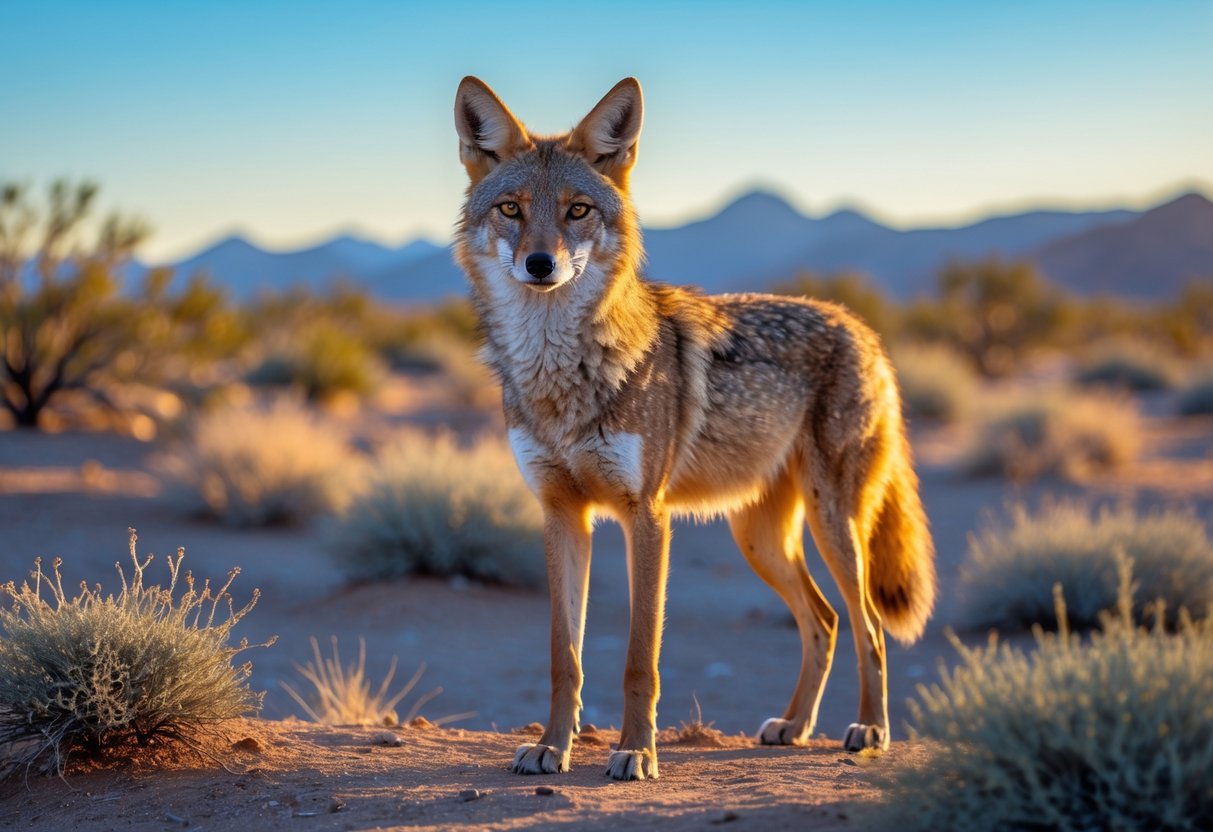
The word “coyote” started out in Mexican Spanish as just the name for a wild dog. Over time, people began using it for those who guided migrants across the U.S.-Mexico border.
This shift kicked off in the late 1800s. Back then, the U.S. needed more workers, but new immigration laws made crossing harder.
Coyotes started out as middlemen, helping folks find jobs and sneak across quietly. Eventually, the word grew to mean anyone smuggling people.
Today, “coyote” describes guides who charge migrants to lead them through tough, sometimes dangerous, routes. If you’re curious, you can check out more about this at coyote (person).
Role in Migrant Experiences and Safety
Coyotes play a big part in the journeys of many migrants trying to reach the U.S. They claim to know safe routes and ways to dodge border patrols.
But trusting a coyote comes with risks. Some use sketchy methods—like sending people through the desert or hiding them in vehicles.
Migrants usually pay coyotes after they arrive safely. There’s a whole system, too, with recruiters, guides, and bosses running the show.
Some coyotes actually try to keep migrants safe, but others just want the money and don’t care about the risks. If you want to know more about how these groups work, there’s a good outline of different coyote roles.
Human Rights Issues and Ethical Implications
Coyotes play a big role in ongoing human rights debates. When migrants cross borders illegally, they often face serious danger and exploitation.
Some coyotes charge outrageous fees. Others just abandon people in risky situations.
Governments on both sides try to crack down on illegal crossings. But honestly, these efforts usually make things even more dangerous for migrants.
Smugglers sometimes use violence or trick people. Since legal entry options are so limited, desperate folks end up taking scary risks.
People argue about calling these guides “coyotes.” Is it fair? The nickname can feel loaded and ignores just how complicated these journeys really are.
Migrants face tough consequences. Legal trouble, separation from family, and even loss of life are all too common.
If you want more details, check out reports like CBP warnings to migrants.


