
If you ever find yourself face-to-face with a coyote, your best move is to look big, loud, and confident. Most coyotes steer clear of people, so showing some strength—without running—really helps keep you safe.

Keep your eyes on the animal and wave your arms or shout in a firm voice. Try grabbing a stick, tossing a rock, or just making a bunch of noise to push it back.
If the coyote gets too close, protect your throat and stay as calm as you can. Back away slowly—no sudden moves.
Knowing what to do ahead of time can really make a difference if a coyote approaches. Picking up a few simple steps now means you’ll feel a lot more confident when you’re outside or walking around your neighborhood.
How to Fight Off a Coyote During an Encounter

When you face a coyote, your safety depends on what you do next. Staying calm and making yourself look bigger can stop a lot of problems before they even start.
If you need to, grab something or make some noise to scare the coyote away. Sometimes, you just have to know how to defend yourself physically.
Staying Calm and Assessing the Situation
Try not to panic if you spot a coyote nearby. Take a second and watch what it’s doing.
If it keeps its distance and seems wary, don’t turn your back or run. Move away slowly, always keeping your eyes on the coyote.
Running just makes things worse—it can trigger a chase. Stand up tall and act confident.
If the coyote comes closer or acts bold, get ready to react. Look around for escape routes or places where you can get help.
Keep your pets and kids close to you.
Making Yourself Look Bigger and More Threatening
Scaring off a coyote is mostly about looking bigger and tougher. Stand straight and throw your arms up over your head.
Wave your arms slowly to make yourself look even more imposing. Open your jacket or hold your backpack above you for extra effect.
Take a step forward, but don’t get too close. Keep eye contact, but don’t glare.
Shout things like “Go away!” or “Back off!” in a strong, steady voice. Coyotes usually don’t want anything to do with loud, assertive people.
Using Noise and Objects to Deter Coyotes
Coyotes really don’t like loud noises. Carry a whistle or an air horn if you’re hiking where they hang out.
If you don’t have anything fancy, clap your hands, stomp your feet, or bang two objects together. Toss a stick or a small rock near the coyote—just don’t aim to hit it.
You can use water sprays or pepper spray to keep the animal at bay. The idea is to make the coyote uncomfortable enough that it decides to leave.
Physical Defense and Last Resort Actions
If a coyote attacks, cover your face, neck, and throat right away. These spots are the most vulnerable.
Grab whatever’s handy—sticks, umbrellas, anything—and aim for its eyes or nose. That usually gets the animal to back off.
Kick or punch if you have to, especially at sensitive areas. Try to stay on your feet.
If you fall, curl into a ball and shield your head and neck with your arms. Fight back with everything you’ve got so the coyote sees you’re not an easy target.
Actual coyote attacks on people are pretty rare, but it never hurts to be ready.
Preventing Coyote Encounters Near Your Home
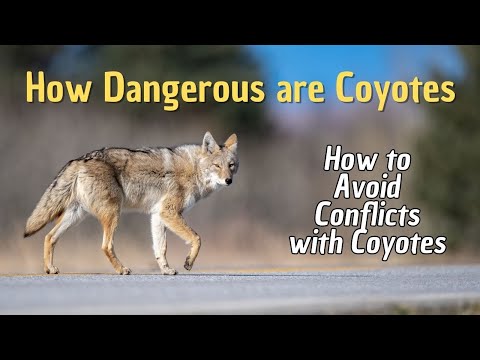
Keeping coyotes away starts with making your place less appealing. You can control what draws them in by being careful with food, trash, and your outdoor spaces.
Don’t give coyotes a reason to hang around.
Securing Food Sources and Trash
Coyotes love easy meals, and unsecured trash is like a buffet for them. Always use garbage bins with tight-fitting lids.
If you can, keep your trash inside until the day it gets picked up. Never leave pet food or birdseed outside overnight.
Pick up fallen fruit or birdseed under feeders. These attract smaller animals, which then attract coyotes.
Metal or heavy plastic bins with locking lids work best to keep scavengers out.
Managing Compost Piles and Outdoor Areas
If you compost, skip meat, dairy, and oily foods. Those smells bring coyotes (and other critters) right to your yard.
Put your compost bin somewhere secure and covered, away from your house. Turn it often to keep odors down.
Keep your yard tidy—no dense brush, tall grass, or wood piles. Coyotes use those spots for hiding or resting.
Trim bushes and trees near your house so there are fewer places for coyotes to lurk. Motion-activated lights around your yard can also help keep them away at night.
Avoiding Feeding Coyotes and Reducing Attractants
Don’t feed coyotes or leave food out where they can get it. When you feed them, they start to lose their natural fear of people.
If a coyote thinks your home offers an easy meal, it’ll probably hang around and act bolder.
Feed your pets inside, and skip leaving water bowls out overnight. That way, coyotes looking for food or water are less likely to stop by.
When you get rid of food sources and other attractants, you’re teaching coyotes to stay wild and keep away from your place. It’s just one more way to help protect your family and pets.
You can find more tips on how to secure your property from coyotes at safe coyote control tips.


