
Ever found yourself asking, will a coyote harm a human? The quick answer is that coyote attacks on people are super rare and almost never deadly. Coyotes are wild, sure, and they can threaten small pets or kids, but honestly, they’d rather steer clear of people and don’t go looking for trouble.
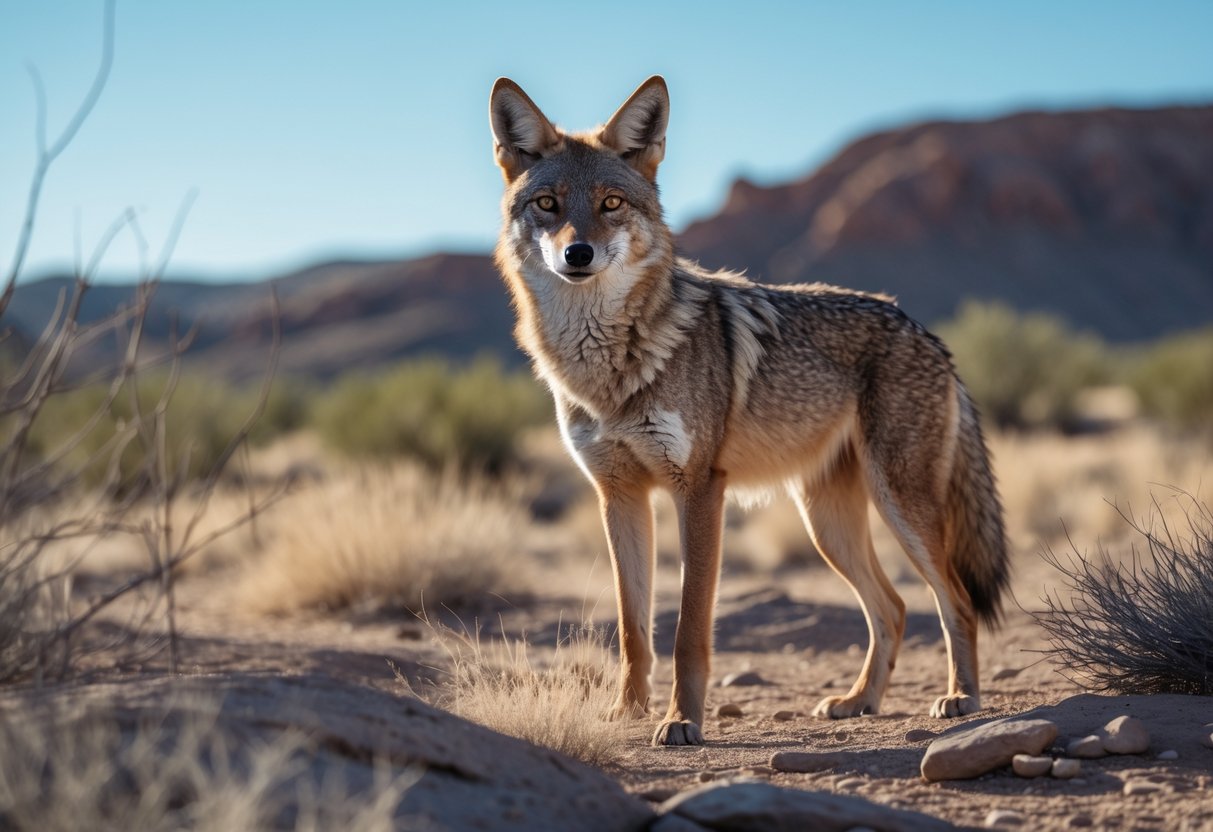
You might spot coyotes hanging around neighborhoods, especially after dark. Most of the time, they keep their distance if you do the same and don’t leave out food.
If you know what to do when you see a coyote, you’ll feel a lot safer. It’s worth learning how to keep yourself and your pets out of harm’s way with these curious animals.
Are Coyotes Dangerous to Humans?

Coyotes can cause problems sometimes, but attacks on people almost never happen. They mostly keep to themselves in wild or suburban spots.
Sometimes, though, they can become a risk, especially if kids or pets are involved.
How Often Do Coyotes Attack Humans?
Coyotes almost never attack people. In North America, only a few serious cases have happened.
Most attacks happen when someone tries to protect a pet or gets too close. Usually, if you hold eye contact and back away, the coyote will take off.
You’re more likely to see a coyote roaming at night since that’s when they’re most active. Coyotes naturally fear people, so attacks stay rare.
When people feed them or leave food out, though, coyotes can get bold and start coming closer.
Severity and Circumstances of Coyote Attacks
When coyotes attack, it’s usually because they feel threatened or want food. They might get aggressive if they’re cornered or trying to protect their pups.
Sometimes, people feed coyotes or leave food in their yards, and the animals lose their fear of humans. That’s when trouble can start.
Serious injuries from coyotes are almost unheard of. Most bites are minor and happen when someone tries to pull a pet away from a coyote.
To keep safe, don’t feed coyotes and don’t let small kids play outside alone at night.
Coyote Attacks on Pets and Indirect Human Harm
Pets face way more danger from coyotes than people do. Coyotes see small dogs and cats as easy prey.
A lot of attacks happen because pets are left outside alone or allowed to wander. Losing a pet this way can be heartbreaking and expensive.
Keep your pets on a leash and bring them in at dawn or dusk, when coyotes are out the most. Fences and repellents can help keep them away from your yard.
These steps really cut down on the risk of a scary run-in.
For more tips, check out ways to keep your family safe from coyotes.
Coyote Encounters, Behavior, and Prevention
Coyotes act differently depending on where they live and what’s going on around them. Sometimes they get more aggressive, and other times they act pretty normal.
Knowing these things helps you avoid problems and stay safe.
Coyote Behavior in Urban and Rural Areas
Coyotes mostly avoid people, but their behavior shifts with their surroundings. In the country, they act wild and keep their distance.
In cities and suburbs, some coyotes have gotten used to people because food is easier to find. Urban coyotes might even show up during the day if they lose their fear of humans.
Feeding coyotes or leaving out pet food can make them bold. When they get too comfortable, they might approach pets or even people, which can be a problem.
It’s smart to keep your distance. Don’t feed coyotes or let your trash pile up.
If you spot a coyote acting casual in daylight, make some noise and try to scare it off.
Factors That Increase Risk of Aggression
Certain things can make a coyote more likely to act aggressive. If they’re protecting pups—especially in spring or early summer—they can get defensive if you get too close.
Feeding coyotes makes them lose their fear, and that’s when they might go after kids or pets. Running from a coyote can actually make them chase, so stand your ground, wave your arms, and make loud noises.
If you see a coyote growling, lunging, or barking aggressively, don’t ignore it. Report it to animal control so they can help keep everyone safe.
Rabies and Unusual Coyote Behavior
Rabies doesn’t show up in coyotes very often, but when it does, things can get weird—and honestly, dangerous. You might see a rabid coyote looking lost, acting way too aggressive, or even strangely friendly.
Sometimes they’ll wander right up to people or pets, like they don’t care at all, and their behavior just feels off. Maybe they’re staggering around, drooling, or not scared of anything.
If you spot a coyote doing any of that, keep your distance and let wildlife officials know right away. Seriously, don’t try to chase it off or get close—rabies spreads fast through bites.


