
If a coyote bites you, take it seriously and get medical help right away. Coyotes sometimes carry diseases like rabies, so quick treatment matters a lot. Even if that coyote looks totally healthy, you can’t really know for sure.

Coyotes usually steer clear of people and only bite if they feel scared or trapped. Their bites can cause wounds that easily get infected, so cleaning up and seeing a doctor is super important.
Knowing what to do right after a bite can protect your health. It might not be a situation you ever expect, but it’s good to be prepared.
Immediate Actions After a Coyote Bite
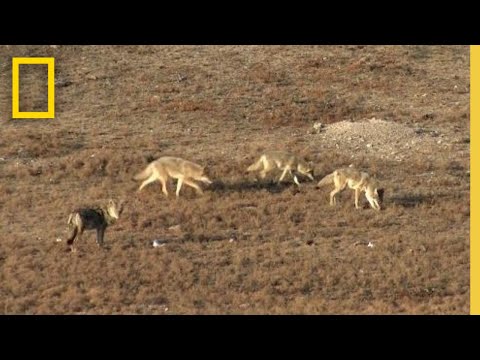
If a coyote bites you, act fast to protect yourself and lower the risk of infection. Check the bite, clean it well, and know when to see a doctor—especially to avoid rabies or other nasty infections.
Assessing the Severity of the Bite
Start by looking closely at the bite. Do you see deep punctures, torn skin, or heavy bleeding? Coyotes have sharp teeth, and those can do some real damage, sometimes even to muscles or nerves.
If blood is gushing, press down with a clean cloth or bandage to slow it. Lots of pain, swelling, or a really weird-looking wound means you need to take it seriously.
Even a small bite from a wild animal can be risky. Don’t brush it off just because it doesn’t look bad.
Wound Care and Infection Prevention
Wash the bite with warm water and mild soap for at least five minutes. This step helps get rid of dirt and bacteria.
Be gentle—no need to scrub hard. After it’s clean, put on some antibiotic ointment and cover it with a sterile bandage.
Change the bandage every day or if it gets wet or dirty. Watch for signs like redness, warmth, pus, or more pain—those are warning signs.
If you notice any of that, get medical help fast. Try not to touch the bite with dirty hands, and if the area swells, keep it raised.
When to Seek Medical Help
Go see a doctor right away if the bite breaks your skin. The doctor can clean it better, maybe give you a tetanus shot, and decide if you need antibiotics.
Rabies is a big concern here. If they can’t catch and test the coyote, doctors will probably start rabies treatment just in case.
Rabies is deadly if you don’t treat it, so never skip seeing a doctor after a bite. If your pet gets bitten, take it to the vet right away.
Pets might need vaccines or even quarantine to stop the spread of rabies or other diseases. Getting professional care really does make a difference.
If you want more details, check out this article on what to do if a coyote bites you.
Coyote Bite Risks and Prevention in Human and Pet Encounters
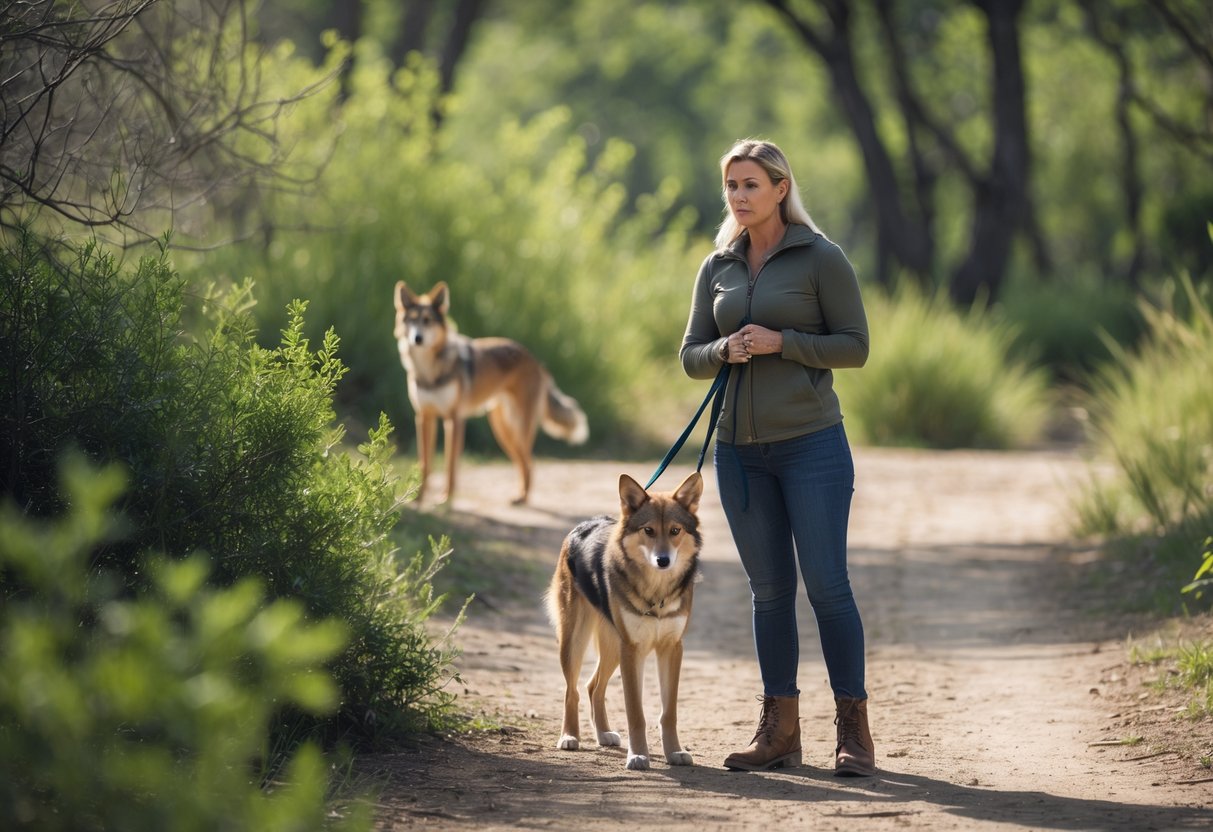
Coyotes can injure you and spread diseases if they bite. If you know how to spot risky behavior and protect your pets, you’ll be in much better shape.
Rabies and Disease Transmission
Coyotes can carry rabies, but honestly, it’s not super common. Still, if a coyote bites you or your pet, treat it like a big deal.
Rabies messes with the brain and can make animals act aggressive or clumsy. If you get bitten, wash the wound with soap and water right away and see a doctor.
If your pet gets bitten, go to the vet—especially if your pet isn’t vaccinated. They might need a booster or even quarantine.
Coyotes can pass on other diseases too, so acting quickly helps stop infections.
Recognizing Abnormal Coyote Behavior
Most coyotes stay away from people and act shy. If you spot one acting weird—like being too friendly, aggressive, or just off—it could be sick or have rabies.
Look for signs like staggering, wobbling, or drooling. Those aren’t normal for coyotes.
If you see a coyote doing any of that, keep your distance and let local authorities know. Sometimes coyotes are active during the day, but strange behavior is always a red flag.
Protecting Pets From Coyote Attacks
Coyotes sometimes go after small pets, especially cats and little dogs. To keep your pets safe:
- Watch your pets closely when they’re outside, especially at dawn, dusk, or nighttime.
- Keep cats indoors or only let them out in secure enclosures.
- Don’t leave pet food outside or feed coyotes.
If a coyote comes near, make noise or wave your arms to scare it away. Fencing can help keep coyotes off your property.
If your pet gets bitten, head to the vet right away for treatment and possible rabies care.
Reducing the Risk of Future Coyote Encounters
Want to keep coyotes away? Here are a few things you can do:
-
Don’t feed coyotes. Giving them food just makes them bolder and more likely to approach.
-
Lock up your garbage cans and compost piles, so nothing tempts them.
-
Cut back brush and long grass around your place. That way, coyotes won’t have spots to hide.
-
Talk to your neighbors about these tips. If everyone’s on board, it works better.
You might also try setting up bright lights or motion-activated sprinklers. Coyotes usually don’t like surprises.
If your yard feels less inviting, coyotes are much less likely to hang around or bother your pets.
Curious for more info? Check out how to prevent coyote attacks.


