
Coyotes sometimes eat dogs, especially smaller ones, but honestly, these attacks aren’t super common. Small dogs left alone outside face the most danger because coyotes see them as easy prey.
Larger dogs usually don’t have much to worry about, though a coyote might try to scare them off if it feels threatened.

If you live near wild areas or see coyotes around, it’s smart to learn when and why these attacks happen.
Knowing this stuff can help you keep your dog safe and avoid scary run-ins.
Do Coyotes Eat Dogs?

Coyotes do attack dogs sometimes, especially if food is scarce or dogs are left alone outside.
Small dogs get targeted more often because they look like natural prey.
If you know when these attacks happen, you can keep your pets safer.
How Often Coyotes Attack Dogs
Coyote attacks on dogs aren’t super common, but they do happen more in places where coyotes live near people.
Most attacks happen at dawn, dusk, or during the night when coyotes are out and about.
If your dog’s outside alone during those times, the risk definitely goes up.
Coyotes usually hunt alone and try to avoid people.
If you watch your dog, especially early or late in the day, you’re less likely to run into trouble.
Why Coyotes Target Domestic Dogs
Coyotes mostly hunt small animals like rabbits and rodents.
But when wild spaces shrink and food gets harder to find, they wander closer to neighborhoods.
Small dogs outside, especially if nobody’s watching, look like easy meals.
Food left outside—pet food, trash, or even dog poop—can attract coyotes, too.
They’re opportunistic, so if your dog’s alone or tied up, it’s just an easier target.
If you bring in food and keep an eye on your dog, you lower the risk a lot.
Which Dog Sizes Are at Most Risk
Dogs under 50 pounds face the most danger from coyotes.
Small breeds, because of their size and shape, just look like prey.
Medium dogs have some risk, but big dogs usually scare coyotes off.
Some small breeds that are quiet or dart around might get more attention.
If your dog likes to wander or chase wildlife, coyotes might notice.
A leash under 6 feet and keeping small dogs close really helps.
Common Misconceptions About Coyote Attacks
A lot of people think coyotes hunt dogs in packs or try to lure them away, but that’s really not true.
Coyotes almost never team up to trap dogs and usually run from people.
Some folks believe coyotes love dog food, but they actually avoid places where dogs hang out unless there’s loose food or trash.
If you scare a coyote off quickly, it’ll usually leave instead of fighting.
Knowing how coyotes act and watching your dog closely makes a real difference.
For more on why coyotes attack pets, check out Why Do Coyotes Eat Dogs? Understanding Risks & Prevention.
Coyote Diet and Behavior
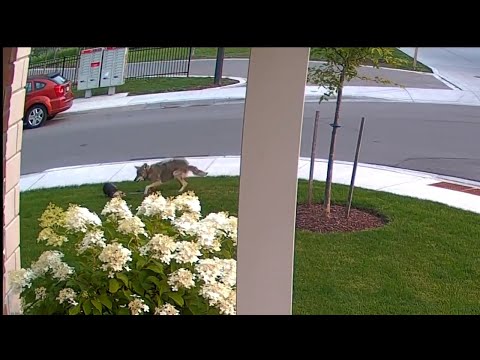
Coyotes eat all sorts of things and they’re clever hunters.
What they eat depends on where they live and what’s around.
How they act with other animals, especially pets, depends a lot on food and space.
Main Prey: Rodents, Rabbits, and Deer
Coyotes mostly go after small animals like rodents and rabbits.
Rodents can make up a huge part of their meals—sometimes up to 60%.
Rabbits are another favorite since they’re easy to catch and pretty nutritious.
In some places, coyotes hunt deer, especially ones that are young or weak.
Deer aren’t a daily meal for most coyotes though, since hunting them takes more work.
You might even spot coyotes eating insects, birds, or fish now and then.
When meat’s harder to find, they’ll eat plants like berries.
Differences Between Eastern and Western Coyotes
Eastern coyotes are bigger and heavier than western ones.
That extra size lets them hunt bigger prey, like deer, more often.
They live in all sorts of places—from forests to suburbs—which changes what they eat.
Western coyotes mostly stick with small animals like rabbits and rodents.
They usually live in rural or wild areas and don’t see people as much.
Both types adapt quickly to whatever food is around, but eastern coyotes might act a bit bolder near people because of their size and where they live.
Interactions With Domestic Animals
Coyotes sometimes see small pets like dogs and cats as easy food, especially if wild prey is hard to find.
Small dog breeds like Chihuahuas and Yorkies face higher risk because of their size.
Coyotes usually avoid big dogs since fighting them can be risky.
Still, they might chase or bother bigger dogs if they feel threatened.
Coyotes are most active at dawn, dusk, and during the night.
Keeping pets inside or watching them closely during those times can really help.
Coyotes also protect their territory, especially near their dens, so that’s worth keeping in mind.
Adaptation to Urban Environments
Coyotes pick things up quickly. When people move into their territory, these animals start eating pet food, garbage, and whatever’s easy to find.
You’ll probably spot coyotes acting bolder around humans in cities and towns. They usually hunt at night or just before sunrise to steer clear of people.
Want to keep coyotes away? Try getting rid of food sources outside your place. Pick up any fallen fruit, cover your garbage bins, and don’t leave pet food out overnight.
Even small changes like these can keep coyotes from hanging around your block.
For more about how coyotes eat dogs and why they do it, check out Are Coyotes Eating Dogs? Risks, Reasons, and How to Protect Pets.


