
When a coyote spots you, what it does really depends on where it lives and how used it is to people.
Most coyotes just want nothing to do with humans—they usually bolt as soon as they realize you’re there. In rural places, they keep their distance and vanish fast.
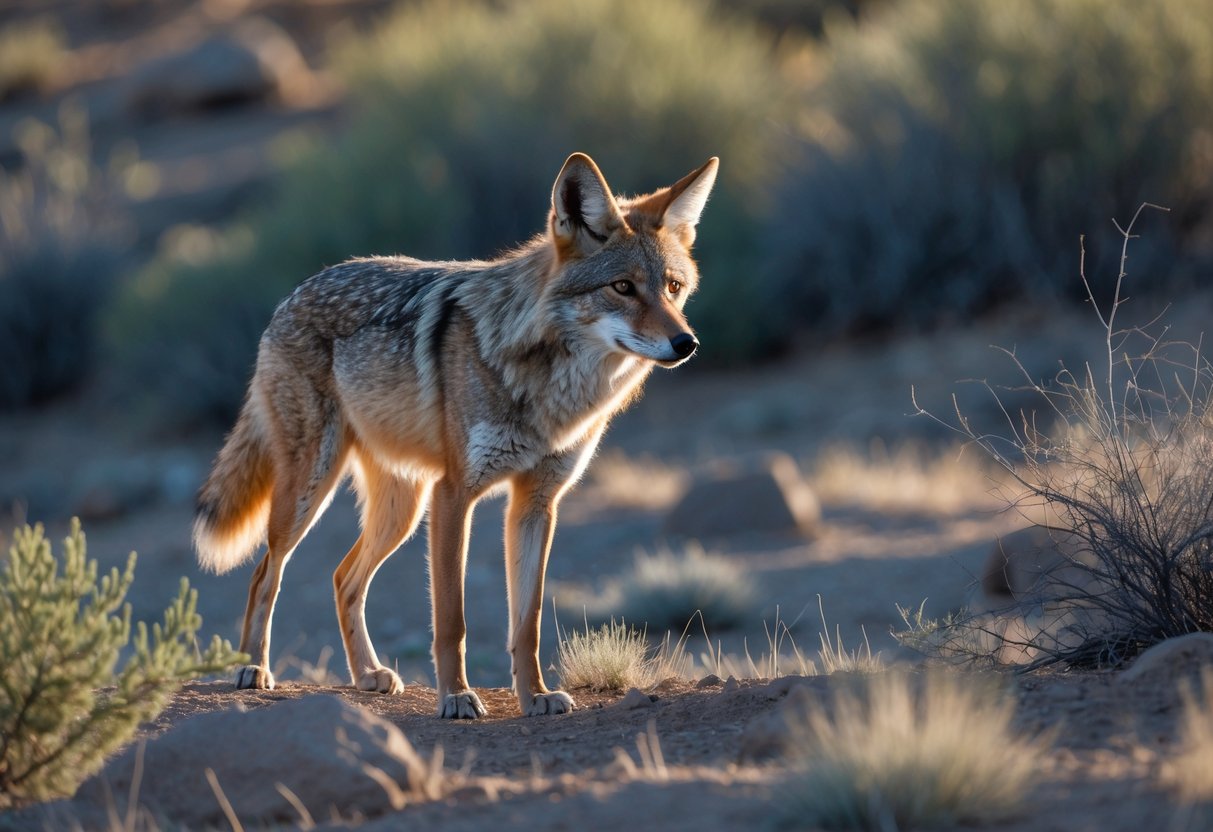
In cities or the suburbs, coyotes sometimes act bolder if they’ve gotten used to humans or found easy snacks near homes.
Sometimes they’ll pause, maybe even edge a little closer, but acting aggressive? That’s pretty rare unless something’s really off.
Understanding how coyotes behave can make running into one a whole lot less nerve-wracking.
Understanding Coyote Behavior Towards Humans

How a coyote reacts when it sees you depends a lot on where it lives and what it’s experienced with people.
Some are super shy and take off fast, while others act a bit bolder. What you do—and the setting—can totally change the vibe.
Coyote Reactions to Human Encounters
Most coyotes treat humans like a threat and keep their distance.
When they spot you, they usually dash away. Coyotes use their sharp noses and ears to decide if they should stick around or split.
Sometimes, a coyote will stop and stare from a distance. It’s usually just curious or not sure what you’ll do.
If you surprise a coyote or get too close, it almost always chooses to run for safety.
If you hear a coyote howling or see one moving quickly at night, that’s just normal coyote stuff.
They’re most active after dark and actually avoid people during the day.
Situations That Increase Coyote Boldness
Coyotes can lose their fear of people if they find easy food near houses—like pet food, garbage, or even bird seed.
When people feed coyotes, they get used to humans and may act a lot bolder.
During breeding season in early spring, coyotes—especially mothers—get more protective. If you’re near a den, a mom might growl or charge to warn you off.
You can help by locking up trash cans, bringing pet food inside, and never feeding coyotes.
These simple things keep coyotes wary and help prevent problems.
Differences Between Urban and Rural Coyotes
Urban coyotes don’t act the same as rural ones.
Living near people all the time makes city coyotes seem less afraid. You might even spot them in daylight or see them come closer to people or pets.
Rural coyotes stick to wild food and run off quickly if they see you. Urban coyotes have learned to find food in trash or pet bowls, which makes them braver around people.
Researchers studying city coyotes say that knowing these differences helps you stay safe if you run into one.
Keep pets close and don’t feed wildlife—it really does make a difference.
For more details on coyote reactions and safe behavior, see Understanding Coyote Behavior Towards Humans.
What to Do If You See a Coyote

Seeing a coyote can startle you, but staying calm and knowing what to do keeps everyone safe.
Your reaction can prevent problems and remind coyotes to keep their distance.
Immediate Safety Steps During an Encounter
If you spot a coyote, stand tall and try to stay calm.
Don’t run—running might just make the coyote want to chase you. Instead, make loud noises, like shouting or clapping, to show you’re not prey.
Keep eye contact and slowly back away, always facing the coyote.
Don’t turn your back or look away. If the coyote comes closer, make yourself look bigger by raising your arms or waving your jacket.
Keep your pets close and don’t let them run loose. If you have a small pet, pick it up to keep it safe.
Effective Hazing Techniques to Deter Coyotes
Hazing teaches coyotes to stay away from people.
Start by shouting firmly and waving your arms if a coyote comes too close.
If it doesn’t move, stomp your feet or clap loudly. Toss a small stick or spray water toward the coyote—but never throw things directly at it.
The idea is to make coyotes think people are not safe to approach.
Don’t run or act scared while hazing, since that can actually encourage the coyote.
Preventing Coyote Attacks on Pets and People
To keep pets safe, bring them inside at night. Small dogs and cats are most at risk, so don’t leave them out alone.
Remove food sources like garbage, pet food, and birdseed that might attract coyotes. Secure compost bins and cover pools or water sources.
Teach your family—especially kids—not to approach or feed coyotes.
If a coyote keeps acting bold or aggressive, report it to local animal control.
Coexistence and Community Safety Strategies
Living near coyotes means we all have to pitch in to keep our neighborhoods safe. Honestly, just picking up food scraps and making sure pets stay indoors goes a long way.
Some neighborhoods actually set up educational programs. These programs help people learn practical coyote safety tips and show how to haze coyotes without causing harm.
When folks follow local rules and work with animal control, it really cuts down on risky coyote encounters. Let’s keep coyotes wild—it’s better for them and for us. If you want more info on staying safe, check out this page on coyote safety.


