
Coyotes get a bad reputation for being dangerous, but honestly, most coyotes are pretty shy and just want to stay away from people. You might spot them at night or catch their howls echoing in the distance, but they usually aren’t looking for trouble.
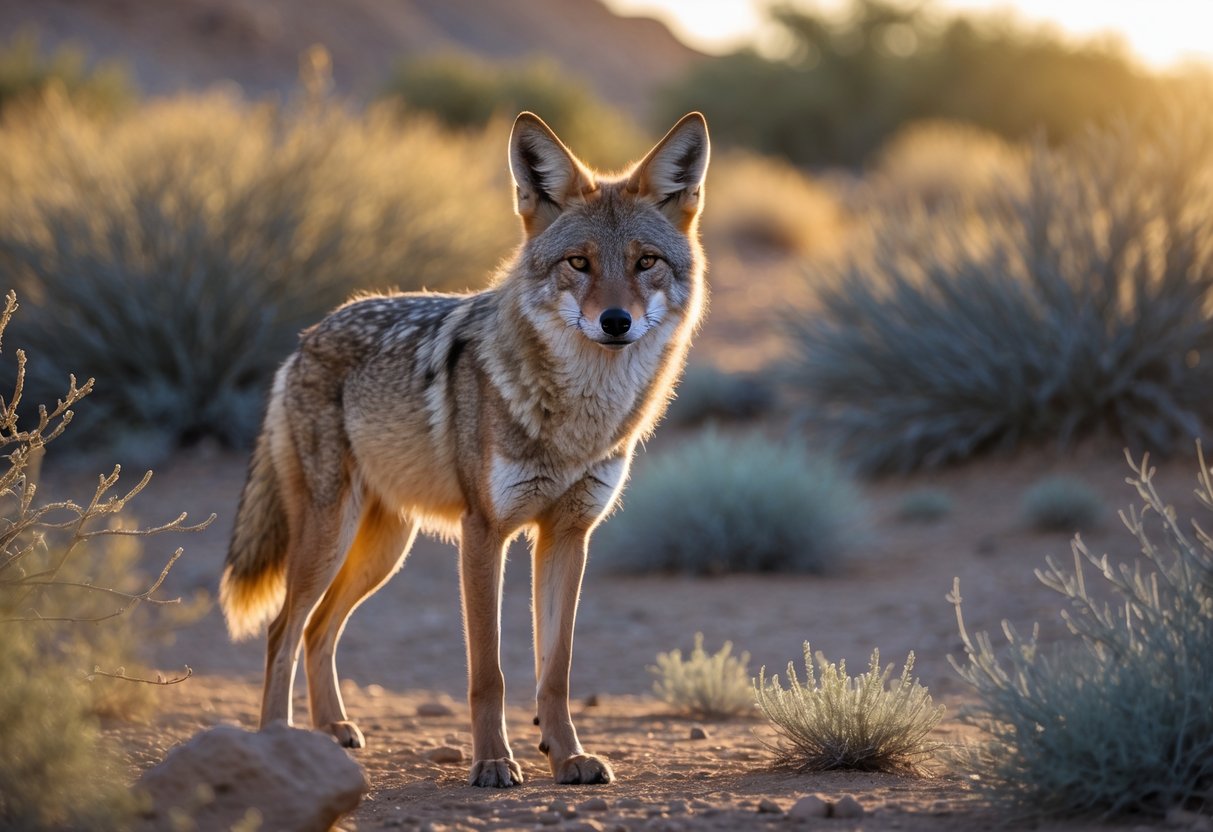
Still, you should know when coyotes might act differently. Sometimes, they get bold or even aggressive if they feel threatened, are protecting their pups, or have figured out how to get food near people’s homes.
If you want to know why coyotes act the way they do or what to do if you see one, let’s dig into coyote behavior.
How Aggressive Are Coyotes?

Coyotes usually keep to themselves and avoid people. But their behavior can shift, especially if food is easy to find or if people treat them in certain ways.
Learning their habits and knowing when they might act up can help you stay safe.
Typical Coyote Behavior
Most coyotes avoid humans and stick to being active at dawn, dusk, and nighttime. They use howls, yips, and barks to talk to their family or warn other coyotes to stay out of their space.
You’ll probably see them hunting small animals or scavenging for snacks. If you leave them alone and don’t feed them, they rarely get aggressive.
Coyotes don’t really threaten adults, but they can be risky around pets or small kids.
Keeping your trash locked up and your distance can help stop coyotes from getting too comfortable near your home.
When Coyotes Become Aggressive
Coyotes sometimes get bold or aggressive if people feed them or if they find easy meals. You might see them coming closer to people, chasing pets, or acting like they’re not afraid—even during the day.
Usually, it starts with coyotes showing up in neighborhoods at night. Then, they get braver and come out during the day.
Aggression can get worse, with coyotes chasing joggers, pets on leashes, or even acting nasty toward adults.
If you spot coyotes near playgrounds or acting bold in daylight, that’s a red flag. It’s smart to make loud noises to scare them off or call local wildlife control. The full 7 steps that explain this pattern show up at Urban Wildlife Management.
Understanding Coyote Attacks on Humans
Coyote attacks on people are rare, but they do happen, mostly if a coyote feels threatened or has lost its fear of humans. Most of the time, small kids or pets are involved.
Coyotes that people have fed are more likely to come close, which raises the risk. Usually, these attacks are defensive or just accidents, not because the coyote is hunting you.
If you run into a coyote, don’t run away or turn your back. Stand tall, wave your arms, and yell to scare it off. Doing this lowers the chance of getting attacked.
Rabid Coyotes and Unusual Aggression
Rabies in coyotes doesn’t happen often, but it’s possible. A rabid coyote acts weird and way more aggressive than normal.
It might not show any fear, could stagger around, or even bite without warning.
If you see a coyote acting strange or aggressive, stay away and call animal control. Rabies can spread to pets and people, so it’s important not to get close.
Normal coyote aggression doesn’t look this extreme. If you notice really odd behavior, always be extra careful.
Factors Influencing Coyote Aggression
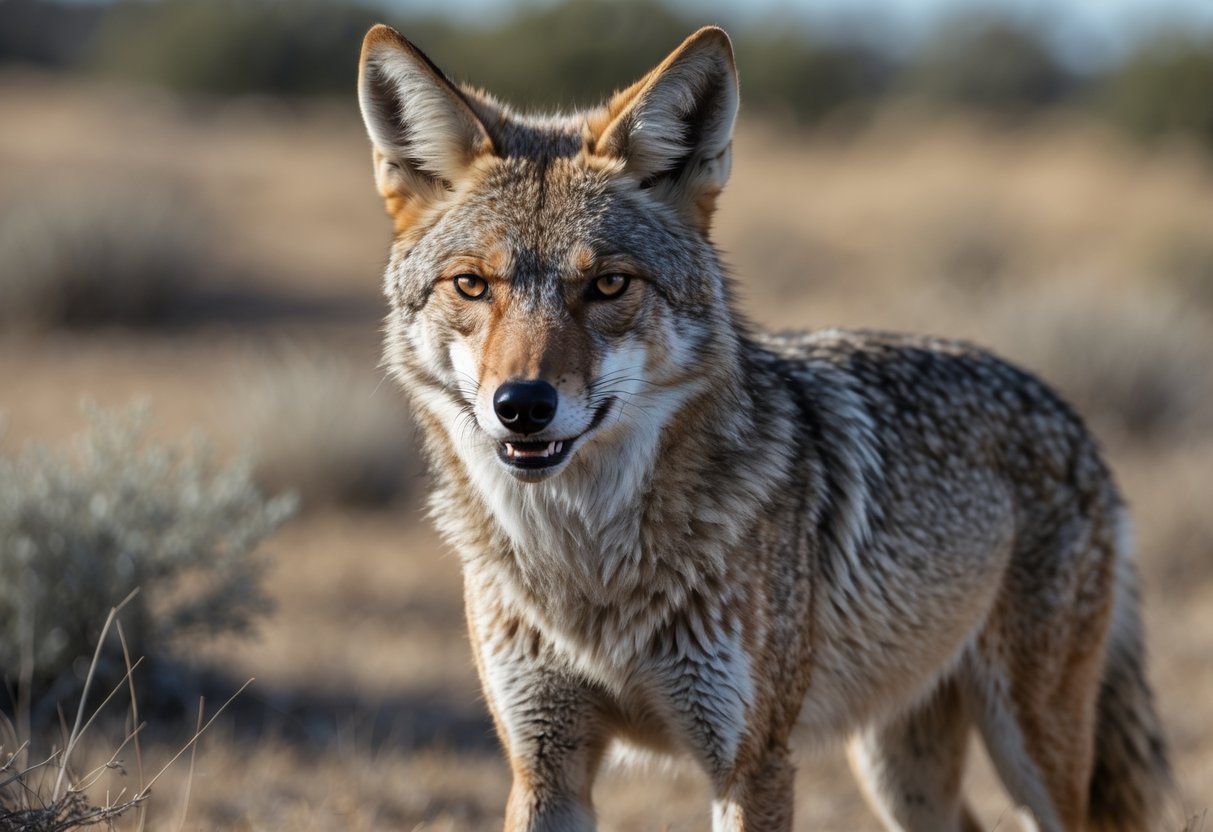
Lots of things can change how coyotes act. Some coyotes live close to people and get used to them, while others just find food easily or deal with city life.
How animal control handles aggressive coyotes also shapes how these animals behave around you.
Habituation to Humans
Coyotes that get used to people sometimes lose their natural fear. Usually, this happens when folks feed them or they see people all the time.
A coyote hanging around your house and not running away might already be habituated. When this happens, coyotes can get bolder or even aggressive because they expect food.
Don’t feed coyotes or leave pet food outside. That’s the best way to keep this from turning into a problem.
Food Sources and Human Interaction
When coyotes look for easy food near people, they get more confident or even aggressive. Open trash bins, pet food left outside, or fallen fruit in yards all bring coyotes closer.
If coyotes keep finding food this way, they might start acting strange or bold. This is one of the main reasons city coyotes get more aggressive.
Feeding coyotes makes it much more likely you’ll have a bad encounter.
Urban Coyotes: City Versus Rural Behavior
Coyotes living in cities act differently than rural ones. Urban coyotes adapt by sticking closer to people and using food sources people leave behind.
You’ll see more coyotes in smaller spaces in the city.
City coyotes sometimes seem less afraid and more active during the day. They might show up near parks, playgrounds, or yards more often.
These urban habits make run-ins with coyotes more likely, especially if they feel threatened or want to protect their pups.
Role of Animal Control in Managing Aggression
When coyotes act dangerously, animal control steps in and takes charge. They don’t just wait around—they actually follow a set process to figure out when to get involved with aggressive coyotes.
Usually, they keep an eye on reports of nighttime sightings, coyotes chasing after pets, or any bold moves toward people. If a coyote attacks a pet or starts getting way too close to people, animal control might decide to remove it or try other ways to lower the risk.
If you spot a coyote acting oddly or showing signs of aggression near your place, it’s smart to reach out to local authorities right away. Taking action early can help protect you and your family.
Want to dig deeper? Check out this resource on urban coyote behavior and safety.


