
Coyotes sometimes eat dogs because their habitats keep shrinking, and finding food gets tougher. As they move closer to neighborhoods, they see smaller dogs as easy targets.
Coyotes usually go after small dogs since they look like prey, especially if the dog is alone or outside without supervision.
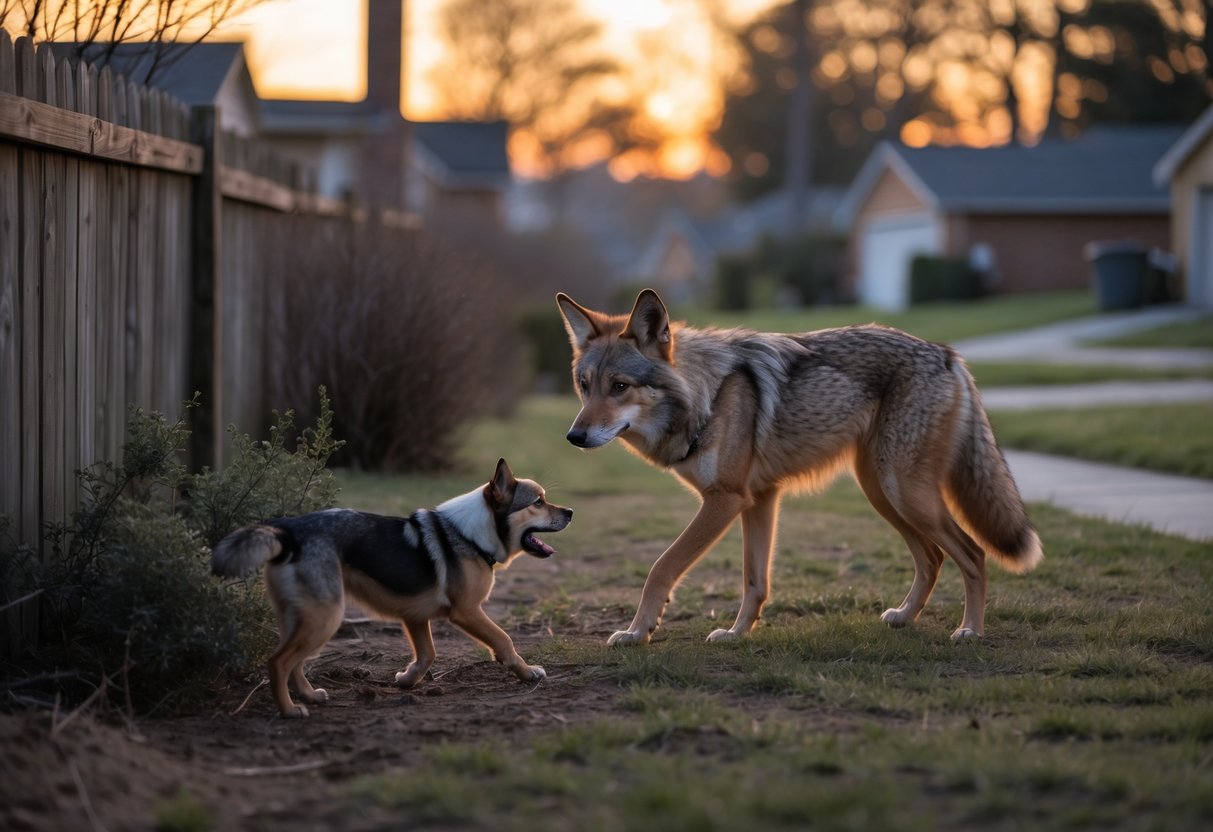
You might wonder why coyotes would bother with dogs when other food is around. Coyotes act as opportunistic hunters, so they’ll grab any easy meal they spot.
This includes small pets, especially if natural food is running low or if they’re drawn in by leftover food or pet waste.
Why Do Coyotes Eat Dogs?
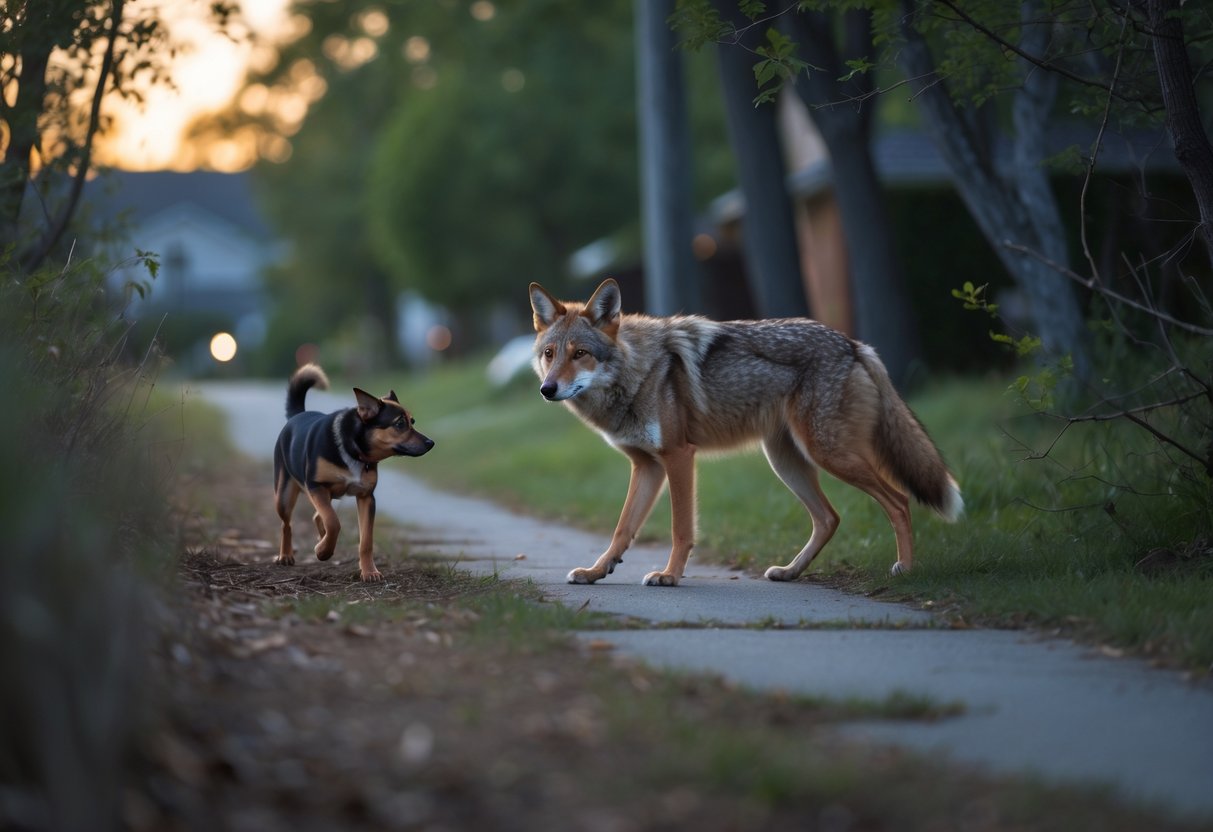
Coyotes attack or eat dogs when food gets scarce or if dogs wander into their territory. Your dog’s size, behavior, and where you live all play a part in the risk.
Knowing more about how coyotes act and the myths surrounding them can help you keep your pets safe.
Coyote Predatory Behavior Explained
Coyotes hunt what’s easiest to catch, depending on what’s around. They usually go for small mammals like rabbits, rodents, and birds.
If wild food is hard to find or if a small dog is left alone, a coyote might decide to go after it.
Coyotes do most of their hunting at dawn, dusk, and nighttime, when people aren’t out as much. They avoid humans but will take advantage of easy meals, like unattended pets.
So, it’s smart to keep your dog supervised, especially during those hours.
Factors That Increase the Risk to Dogs
A few things make coyote attacks on dogs more likely. Small dogs under 50 pounds are at higher risk, especially if left outside alone or tied up.
Some breeds that act more like prey—small, fast, or quiet—can attract coyotes.
Leaving pet food outside, open trash, or compost piles can pull coyotes closer since these are easy snacks. If you live near parks or wild areas, you’ll probably see more coyote activity, so stay extra alert.
Coyote Territoriality and Aggression
Coyotes fiercely defend their territory. They mark and protect areas where they live and raise pups, especially from January to March.
During breeding season, coyotes get more aggressive and protective, so attacks might happen if a dog gets too close.
They might see your dog as a threat to their space or their pups. Larger dogs can also set off defensive behavior, but most attacks still happen to small or medium dogs.
If you know when coyotes are most aggressive, you can keep a closer eye on your pets.
Coyote-Dog Interactions: Myths and Realities
Some people say coyotes lure dogs away to attack, but research doesn’t back that up. Coyotes don’t set traps or hunt your dog in teams.
Most of the time, a coyote will avoid strong threats and take off if you chase or scare it.
You might hear about “coydogs”—a coyote and dog mix—but wild coyotes and domestic dogs almost never breed. Coyotes are clever and prefer to stay away from people.
If you keep your dog close, use a leash, and supervise outdoor time, you’ll cut down on risks and confusion.
For more advice on staying safe and understanding coyotes, check out Will a Coyote Kill My Dog or Cat?.
How to Keep Dogs Safe from Coyotes

Keeping your dog safe from coyotes means you need to stay alert and take action at home and on walks. Even simple things—like watching for coyote signs or using the right deterrents—can make a real difference.
Recognizing and Responding to Coyote Sightings
If you spot a coyote near your home or while walking, try to stay calm but act quickly. Coyotes usually avoid people, but you should keep your dog close and on a leash.
Look for signs like tracks, scat, or howling. If you see a coyote, make loud noises—clap or use a whistle—to scare it away.
Carrying a whistle or noisemaker on walks can help. If coyotes show up often in your area, let your neighbors know or join a local Facebook group to share sightings.
That way, everyone can stay informed and look out for each other’s pets.
Effective Coyote Deterrents for Yards and Walks
Protect your yard with a fence at least 6 feet tall, and bury it about 18 inches underground to stop digging. Adding an overhang or coyote rollers on top makes it harder for them to climb.
Motion sensor lights outside your fence can startle coyotes and keep them out at night. Always pick up your dog’s poop and lock down trash cans to cut down on tempting smells.
On walks, keep your dog on a leash no longer than 6 feet. You might want to use a coyote vest for small dogs.
Bring something loud, like a bell or horn, in case you run into a coyote.
Best Practices for Urban and Suburban Pet Owners
Don’t leave your dog outside alone, especially at dawn, dusk, or night. Coyotes tend to roam more during those hours, so it’s just not worth the risk.
If you can’t keep an eye on your dog, bring them indoors. It’s better to be safe.
Teach your dog to come when you call—every single time. That recall skill might actually save your dog’s life if a coyote pops up out of nowhere.
Grab some high-value treats or your dog’s favorite toy to keep them focused when coyotes are around. You might also want to work on commands like “stay” or “heel” to stop your dog from chasing after other animals.
Coyotes keep showing up closer to cities these days. So, it makes sense to pay attention and pick safer times and spots for walks.


