
Ever wondered if dogs actually fight coyotes? You’re definitely not alone there. Lots of pet owners worry about what might happen if their dog runs into one of these wild animals.
Some dogs will fight coyotes, but whether they come out on top really depends on the dog’s size, breed, and experience.

Coyotes act as wild predators, so you can’t always predict what’ll happen. Protective dog breeds might have the guts and strength to stand up to them. Smaller or nervous dogs? They’re at bigger risk.
Knowing which dogs can defend themselves gives you a better shot at keeping your pets safe. Understanding what actually happens in these encounters might help you worry less—or at least prepare better.
Do Dogs Fight Coyotes?
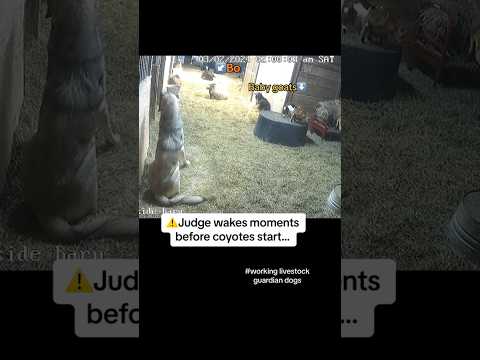
Dogs and coyotes sometimes fight, but it’s tough to predict how things end up. Coyotes tend to avoid big dogs, but they’ll go after smaller or weaker ones if they get the chance.
A coyote’s actions depend a lot on whether it’s hungry, feels threatened, or has pups nearby.
Typical Outcomes of Dog and Coyote Encounters
Most of the time, when dogs meet coyotes, nothing happens. Coyotes usually back off if your dog’s medium or large.
Small dogs? They’re at higher risk because coyotes see them as prey. If there’s a fight, big, strong dogs can sometimes defend themselves and scare off coyotes.
You’ll hear stories where a dog even injures or kills a coyote, but that’s not always the case. Smaller dogs can get seriously hurt or worse if things go bad.
Coyotes attack alone or with one other, not really in packs. So, if you have a well-trained, large dog, it might stand a decent chance against one or two coyotes.
Coyote Behavior and Triggers for Attacks
Coyotes usually act pretty cautious and don’t want to mess with dogs or people. They might attack if they feel cornered, are desperate for food, or if your dog gets too close to their den or pups.
You’ll see more coyote activity at dawn, dusk, and nighttime. That’s when most risky encounters happen.
If a coyote comes near, make noise or shine a flashlight in its eyes to scare it off. Never run—seriously, that just makes them want to chase.
Stand tall, keep your dog close, and slowly back away without turning around.
Most Vulnerable Dog Breeds and Sizes
Small and medium dogs face the most danger from coyotes. If your dog weighs less than 30 pounds or has thin fur, it’s pretty vulnerable—coyotes can bite through easily.
Dogs without much guarding instinct or confidence are also easy targets. Breeds like Chihuahuas, Dachshunds, and Pomeranians? They need extra protection if you live near coyotes.
Big guardian breeds—think Great Pyrenees, Anatolian Shepherds, or Maremmas—do a lot better. These dogs are bigger, braver, and sometimes even trained to protect livestock, which helps keep coyotes away.
If your dog’s on the smaller side, you might want to try a protective coyote vest. These vests have spikes and tough fabric to stop bites if things get rough.
Protecting Dogs from Coyotes

Keeping your dog safe from coyotes takes some planning, both at home and when you’re out. You can use special gear, know which breeds handle coyotes better, and train your dog for wild encounters.
Best Practices for Preventing Attacks
Always walk your dog on a leash near coyote territory. Coyotes usually steer clear of humans, so keeping your dog close lowers the risk.
For small dogs, try a coyote vest. These vests use spikes and tough material like Kevlar to make biting harder.
Don’t leave your dog outside alone, especially at dawn, dusk, or night when coyotes are active. Put up a fence at least 6 feet high and bury it 18 inches deep to stop digging.
You can add coyote rollers or PVC pipe to the top to keep them from climbing over. Motion-activated lights help scare coyotes off before they get too close.
Keep your yard clean—no food scraps, dog poop, or fallen fruit. That just attracts coyotes.
Breeds That Can Deter or Face Coyotes
Some breeds are just better at guarding against coyotes. Large, strong dogs like Great Pyrenees often protect livestock and can stand up to coyotes.
Medium and large dogs with a protective streak sometimes scare coyotes off just by being there. But even the toughest dogs can get injured if a coyote attacks.
Small dogs really need extra protection. Use gear or keep them inside during risky times to keep them safe.
Essential Training and Safety Measures
When you train your dog to come when called, you give them one of the best tools for staying safe if you spot a coyote. If your dog has a strong recall, you can grab their attention and pull them away fast in an emergency.
Teach your dog to stay calm instead of chasing wild animals. Commands like stay, heel, or even a quick emergency U-turn can keep your dog from running straight into trouble.
Try using positive reinforcement on your walks. Carry some high-value treats or a favorite toy—anything that helps keep your dog’s attention on you, especially if something stressful pops up like a coyote nearby.
Practice these steps often. You’ll help your dog handle those rare, risky coyote encounters with a bit more confidence.
If you want more tips, check out how to protect pets from coyote attacks or look into some effective backyard safety strategies.


