
Ever worry about your dog’s safety outside? You’re definitely not alone. Coyotes do sometimes eat dogs, especially small ones left out on their own. Coyotes often see small dogs as easy prey, especially when their usual food runs low or their habitat gets squeezed.
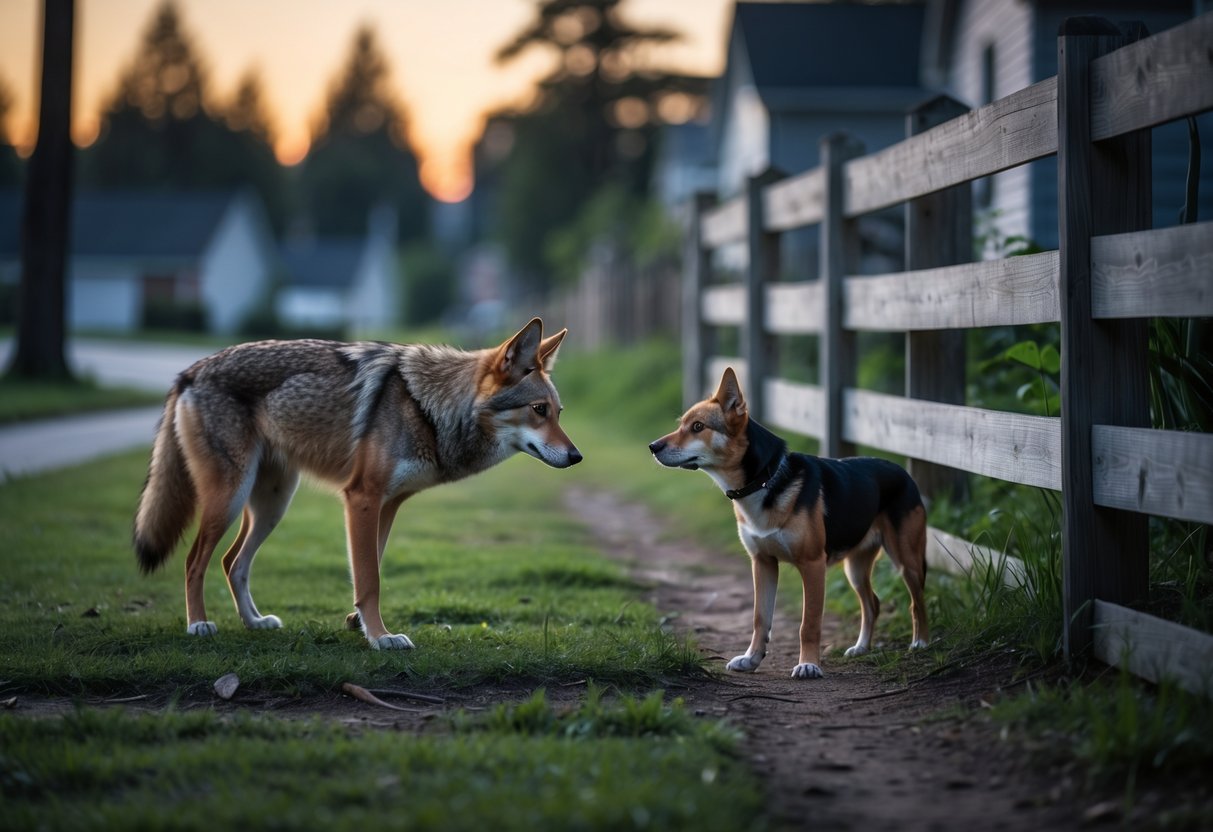
These wild animals usually act shy, but they can get pretty bold around neighborhoods where food’s easy to find.
If you know when and why coyotes might attack, you can do a lot to keep your furry friend safe. So, what can you actually do to protect your dog and lower the odds of a run-in with a coyote?
Are Coyotes Eating Dogs and Why It Happens
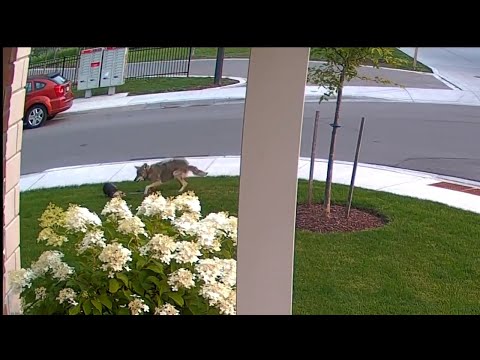
Coyotes do attack and eat dogs sometimes, but it usually happens under certain conditions.
If you understand how often these attacks happen, which dogs get targeted, and what drives coyote behavior, you’ll have a better shot at keeping your pet safe.
How Common Are Coyote Attacks on Dogs
Coyote attacks on dogs aren’t super common, but they do happen. Most of the time, coyotes go after small dogs, especially if the coyote feels hungry or if a dog wanders into their territory.
These attacks usually happen at dawn, dusk, or at night. That’s when coyotes like to roam.
Coyotes typically avoid people, so attacks tend to involve pets left outside alone or dogs without supervision.
If you walk your dog on a leash and keep an eye out, the risk drops a lot. But in neighborhoods near wild spaces, people do see more coyotes and, sadly, more attacks.
Which Dogs Are Most at Risk
Small dogs face the highest risk from coyotes. They’re just easier for coyotes to grab and carry off.
Breeds like Chihuahuas, Yorkies, and Dachshunds are especially vulnerable.
Dogs running loose in yards without fences also face more danger. Coyotes might see small dogs as prey or even as rivals.
Puppies and older dogs who aren’t as quick or alert have a tougher time escaping if a coyote shows up.
If you keep your small dog close and don’t let them wander, you’ll cut down the chance of a surprise encounter.
Can Large Dogs Be Preyed Upon
Large dogs usually don’t get killed by coyotes. Coyotes are smaller and tend to avoid risky fights.
Still, coyotes might attack big dogs to chase them away. They don’t have the strength to take down medium or large dogs easily.
If your big dog acts aggressive or chases a coyote, the coyote could fight back. Sometimes coyotes ambush or harass large dogs near their den or when they’re eating, but serious injuries are rare.
Even if your dog’s big, don’t leave them outside alone where coyotes roam. Coyotes might just want to protect their space, not necessarily hunt.
Typical Coyote Behavior and Diet
Coyotes eat both meat and plants. They hunt small animals like rabbits, rodents, and on occasion, small dogs.
They also munch on berries, fruits, and nuts, especially when they can’t find meat.
Coyote habits change with the seasons and whatever food’s around. When natural prey runs out, coyotes start searching for pets or even garbage.
They’re usually wary of people and might chase animals out of their territory just to scare them off.
Coyotes look for easy meals but don’t pose a constant threat. If you remove things like pet food or trash from your yard, you’ll help keep your pets safer.
Want more tips on protecting your dog from coyotes? Check out protecting your pet from coyotes.
Keeping Dogs Safe from Coyotes
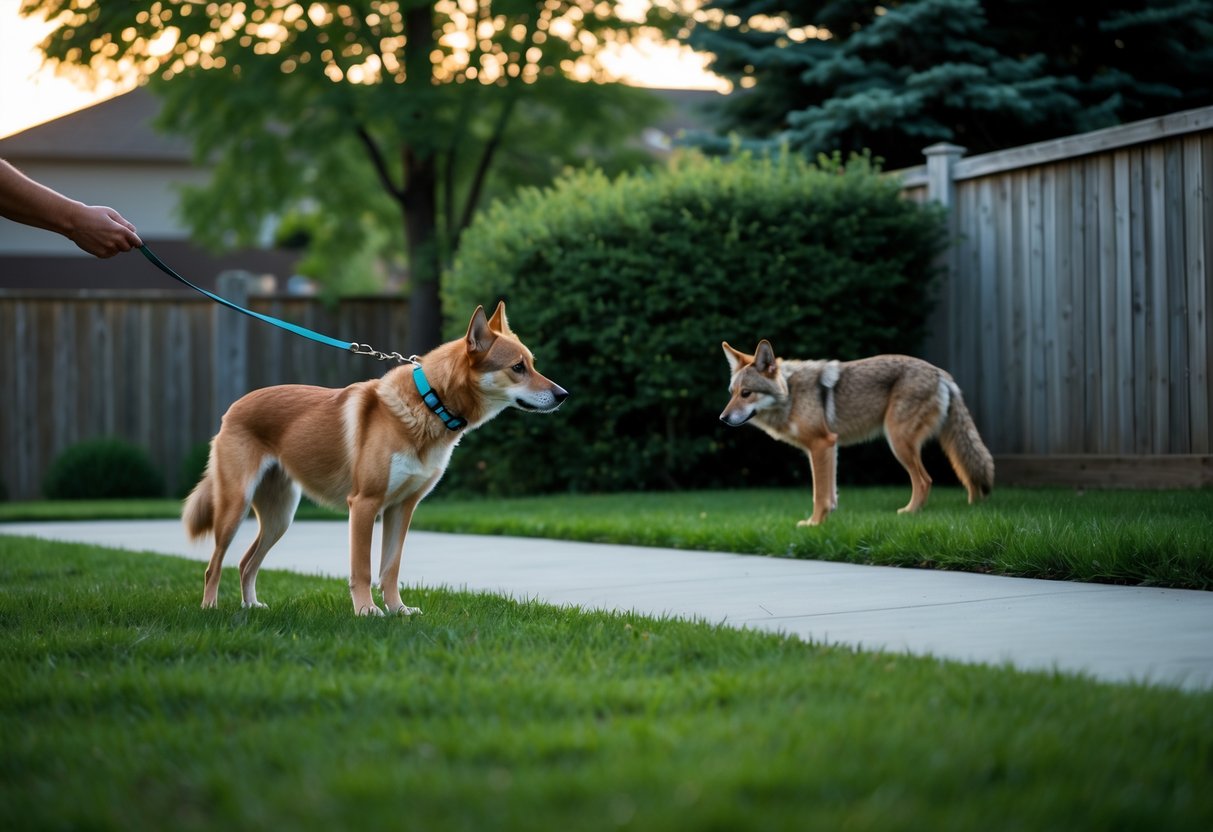
You actually can do quite a few things to keep your dog safe from coyotes, whether you’re outside or at home.
If you know about physical barriers, training, and some basic safety steps, you’ll help keep your dog out of trouble.
Practical Steps to Prevent Coyote Attacks
Whenever you walk your dog, keep them on a leash and close by. Coyotes usually steer clear of people but might see a loose dog as an easy meal.
Stay alert, especially around dawn, dusk, and nighttime—those are coyote hours.
Try a coyote vest with Kevlar spikes for small dogs. It makes it tough for a coyote to bite through.
Carry something noisy, like a whistle or an air horn. Loud sounds can scare off coyotes before they get close.
Train your dog with a solid recall command. If a coyote shows up in an off-leash area, you’ll want your dog to come back right away.
Teach your dog to ignore distractions and stick near you during walks or hikes.
Coyote Deterrent Methods for Homes
You want your yard to be safe. Put up a solid fence at least 6 feet tall and bury it 18 inches deep, since coyotes dig.
Add a coyote roller on top; it spins if a coyote tries to climb over, making it pretty much impossible for them to get in.
Install motion-sensor lights around your yard. Sudden light can startle coyotes and keep them away.
Pick up dog waste, fallen fruit, and lock up your garbage. Food smells draw coyotes in.
Don’t leave your dog outside alone, especially at night. If you bring your dog indoors when you’re not watching, you’ll lower the risk of wildlife attacks.
The Role of Coyote Hazing in Safety
Hazing means you use safe but annoying tricks to scare coyotes off. If you spot one, clap, shout, or use an air horn to make noise.
You can toss small objects near (but not at) the coyote to get it to leave.
This teaches coyotes that humans are trouble. If people in your neighborhood haze coyotes regularly, those coyotes will start avoiding the area.
Keep your dog close and be ready to leave if a coyote comes near during hazing. Your safety—and your dog’s—should always come first.
Vaccines and Health Risks After Attacks
Coyotes carry diseases like parvovirus, rabies, mange, fleas, ticks, and worms. If a coyote bites or scratches your dog, call your vet right away.
Your vet might suggest certain vaccines or treatments, depending on the infection risk. Keeping your dog’s vaccines current gives them a better chance against diseases coyotes can spread.
Don’t forget regular flea and tick prevention—it’s honestly just as important. If you notice bites or your dog acts strange after a walk or some yard time, get them checked out fast.
Acting quickly can really make a difference for your dog’s health.


